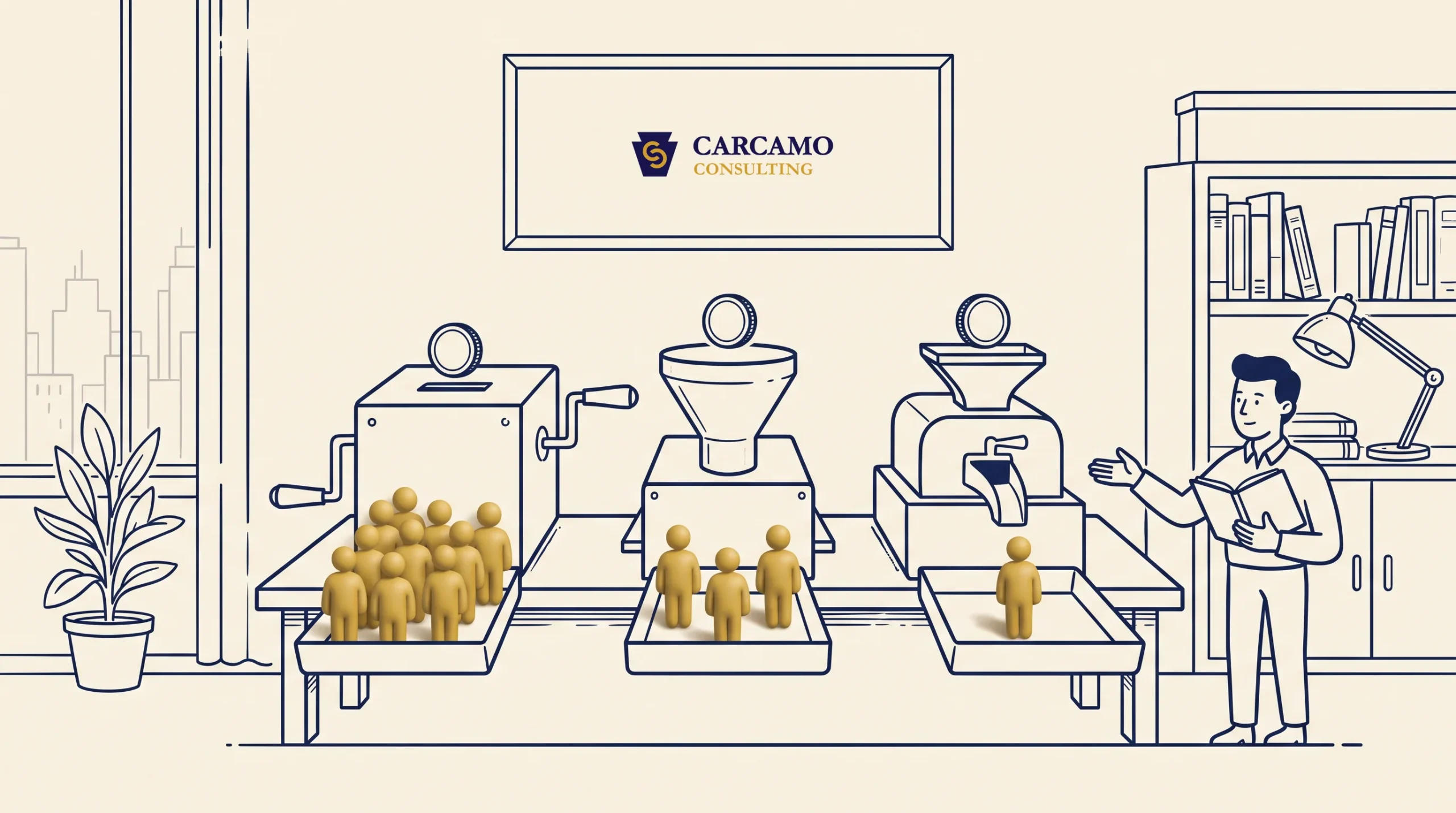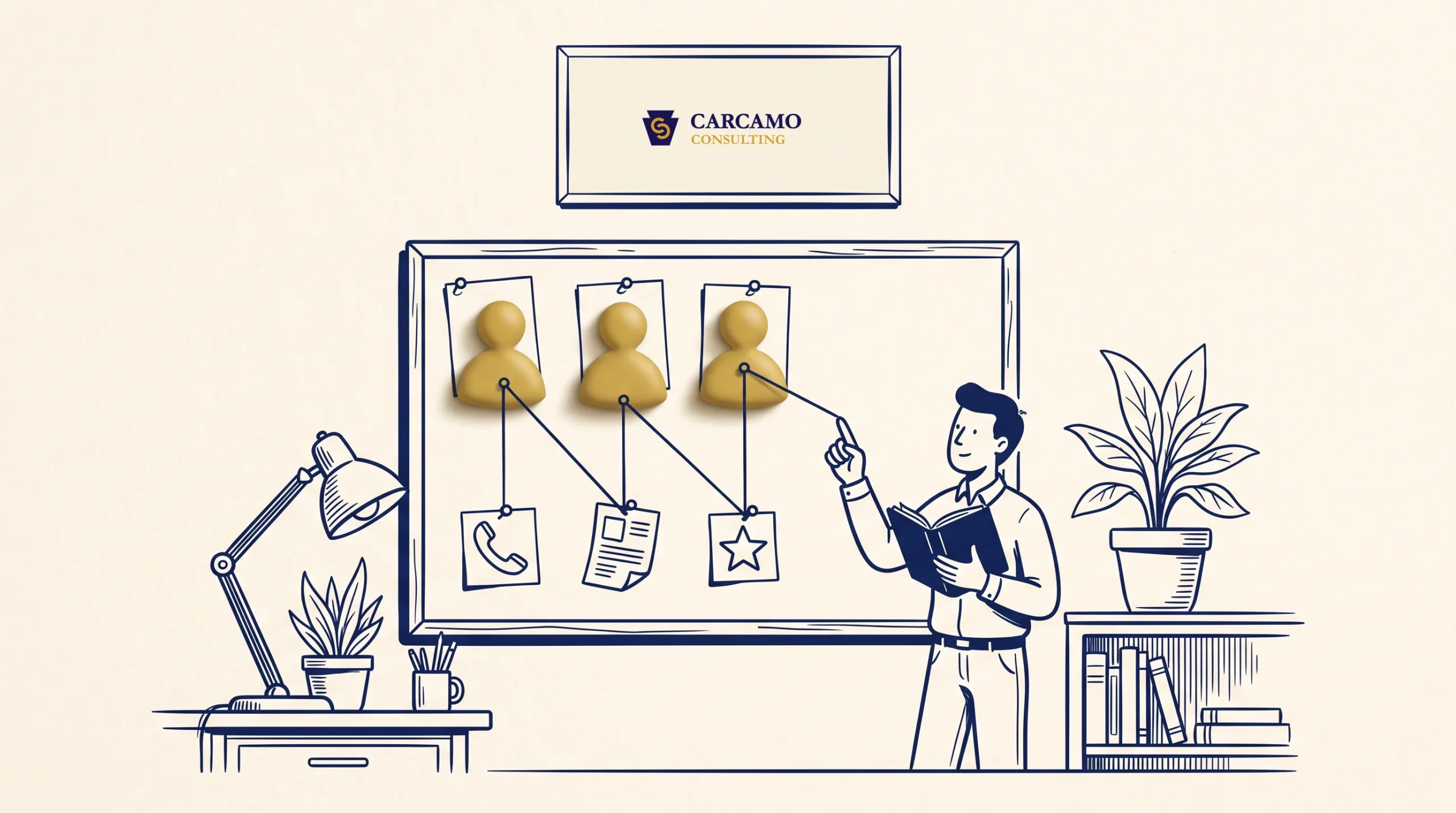

A free consultation call that ends in “let me think about it” isn’t a failed sale. It’s usually a call that never had a real structure to begin with. Discovery calls that close share the same shape every time: a short open, real listening, a direct proposal, and a clear ask at the end, not a rambling conversation that trails off into silence.
The prospect already wanted what you offer enough to book time with you. What happens in the next fifteen to thirty minutes decides whether that interest turns into a client or quietly goes cold. Here is a call structure built for a small business owner running their own consultations, with no CRM, no sales team, and no formal pipeline behind it.
Getting a yes on the call is one part of a bigger process. If you’re regularly hearing “let me think about it” instead, how to turn leads into paying customers covers the wider path this call sits inside.
What Discovery Calls That Close Have in Common
Every consultation that ends in a real decision follows the same rough shape: a short, deliberate open; more listening than talking; a direct, specific proposal; and a clear ask at the end instead of a vague goodbye. Miss any one of these and the call tends to drift, no matter how good the underlying service is.
Prepare Before the Call, Not During It
The call is won or lost partly before it starts. If your prospect filled out any kind of intake form when they booked, read it closely and write down:
- Their specific problem, in their own words
- What they’ve already tried, if they said so
- A rough idea of the solution you’ll propose
- One open question you genuinely need answered to help them well
Do a quick search on their business too, if it’s public. Knowing one real detail about them, their industry, their location, a project you can see on their website, turns the first minute of the call from small talk into genuine rapport. A landscaper calling a prospect who just moved into a bigger building can open with something specific about that move, not a generic greeting.
Decide your agenda before you dial. A free consultation with no plan turns into a rambling conversation that wastes both your time and theirs. Know what you want to have accomplished by the time you hang up: understand the real problem, propose a direction, and get a clear answer on next steps, in that order.
If you have no intake form at all, spend two minutes before the call jotting down what you already know about why this person reached out. Even a rough guess is better than walking in cold.
Open the Call in Under Three Minutes
The first few minutes set the tone for everything after. Keep this part short and move through it in order:
- Introduce yourself and your business. A sentence or two: who you are, what you do, and one credibility marker (years in business, a relevant project).
- Invite a brief introduction back. Let them say who they are and confirm what brought them to the call.
- Set the agenda out loud. Tell them how the call will go: “For the next few minutes, I want to hear more about what you’re dealing with, then I’ll share how I’d approach it, and we’ll figure out the right next step together.”
- Name the time limit. If it’s a 20-minute call, say so. This keeps the conversation focused and gives you a clean, expected moment to close.
Three minutes is enough. The longer this section runs, the less time is left for the part that actually moves the deal forward. If the prospect wants to chat longer before getting to business, that’s fine, but be the one who gently steers back to the agenda you already set.
Ask Before You Talk
The biggest mistake on a free consultation is turning it into a presentation before you’ve actually heard the problem. Resist the urge to start pitching the moment you recognize a familiar situation; a problem that sounds familiar to you might still have a detail that changes your whole recommendation.
Ask questions that fill in what you don’t already know:
- “What made you decide to look into this now?”
- “Have you tried to solve this yourself, or worked with someone else on it?”
- “What would a good outcome look like for you in the next few months?”
- “What’s the timeline you’re hoping for?”
- “Is there a budget range you already have in mind?”
Let them talk. A prospect who talks through their problem out loud, with you actively listening rather than waiting for your turn, is already building trust in you before you’ve said a word about your services. This part of the call should take up more time than any other section, roughly a third to half of the total call.
Watch for the moments they say more than you asked for. A throwaway comment about frustration with a previous provider, or a specific number they mention, is usually the real thing driving the decision, more than whatever they wrote on the intake form.
Reassure Them You Can Solve It, Then Show Them How
Once you understand the real problem, tell them plainly that you can help, and why. This is the moment to reference a similar situation you’ve handled before, without oversharing details that identify another client.
Then walk them through, at a high level, how you’d approach their specific situation. Be concrete: what the first weeks would look like, what you’d need from them, and roughly how long it takes.
Give real value here. Don’t withhold basic guidance to force them to pay for it. A prospect who leaves the call with nothing useful has no reason to trust that paying you gets them more. The line to hold is different: share your thinking and your recommended direction, but save the actual execution, the hands on work itself, for after they’ve become a client.
If they ask a question you genuinely don’t know the answer to, say so, and tell them when you’ll follow up with it. Guessing to sound confident is a worse look than a short, honest “let me check on that and get back to you.”
Handle Objections Directly, Don’t Dodge Them
Almost every consultation call surfaces at least one hesitation. Treat it as a normal part of the conversation, not a sign the call is going badly.
The most common objections and how to meet them:
- Price. Point back to the outcome and what it’s worth to them, not just the number. Mention payment options if you offer them.
- Timing. Ask directly what they’re waiting for. Often the real issue is a fear of getting started, not the calendar.
- Proof. Have one or two specific results or testimonials ready to reference, not vague reassurance.
- Needing to check with someone else. Offer to include that person on a short follow up call rather than letting the decision stall indefinitely.
If you want the full range of pushback and how to answer each one, how to handle “it’s too expensive” and other objections goes deeper than any single call has room for.
Ask for the Next Step, Directly
This is the part small business owners skip most often, and it’s the single biggest reason good calls end without a decision. After you’ve addressed their questions, ask for a next step out loud instead of hoping they’ll bring it up.
Say something like:
- “Based on everything we’ve talked through, would you like to get started?”
- “Does it make sense to go ahead and send over an agreement?”
- “Should we lock in next Tuesday to begin?”
If they say yes, confirm the specific next action before you hang up: what happens, when, and who does what. If they hesitate, that’s an objection, not a no. Go back to the section above rather than letting the call fade into “let me think about it.”
A direct question, asked plainly, is uncomfortable the first few times you say it out loud. It also closes far more calls than hoping the prospect volunteers a decision on their own.
Follow Up the Same Day
Whatever the outcome, send a short recap within a few hours while the conversation is still fresh for them. Include what you discussed, what you recommended, and the specific next step you agreed on.
If they didn’t commit on the call, this follow up is often where the actual close happens, once they’ve had a little time to think it over with your recap in front of them. How to follow up with leads without being pushy covers exactly how to keep that conversation moving without wearing out your welcome.
Frequently Asked Questions
How long should a free consultation call be?
Fifteen to twenty minutes works well for most small business services. Enough time to understand the problem and propose a direction, short enough that it stays focused and doesn’t turn into free, open ended work.
Should I charge for a consultation call, or keep it free?
Free consultations tend to work best for most small businesses because they lower the barrier to that first conversation and build trust before you’ve asked for anything. Charging can filter for more serious prospects, but it also means fewer people will book the call in the first place.
What’s the difference between a consultation call and a sales pitch?
A consultation is a conversation built around understanding the prospect’s problem and proposing a direction together. A pitch presents your service regardless of what the person actually needs. Calls that feel like a pitch tend to close worse, because the prospect never feels heard.
Is it okay to give real advice for free during the call?
Yes, and it usually helps rather than hurts. Share your thinking, your recommended direction, and enough insight that the prospect trusts your judgment. Save the actual execution, the hands on work itself, for after they’ve become a paying client.
Why don’t prospects close after a good consultation call?
Most often because nobody asked directly for a next step, or the follow up never arrived. A prospect who leaves a call feeling understood but unsure what happens next will drift, not because they said no, but because nobody gave them a clear yes to say.
 Previous