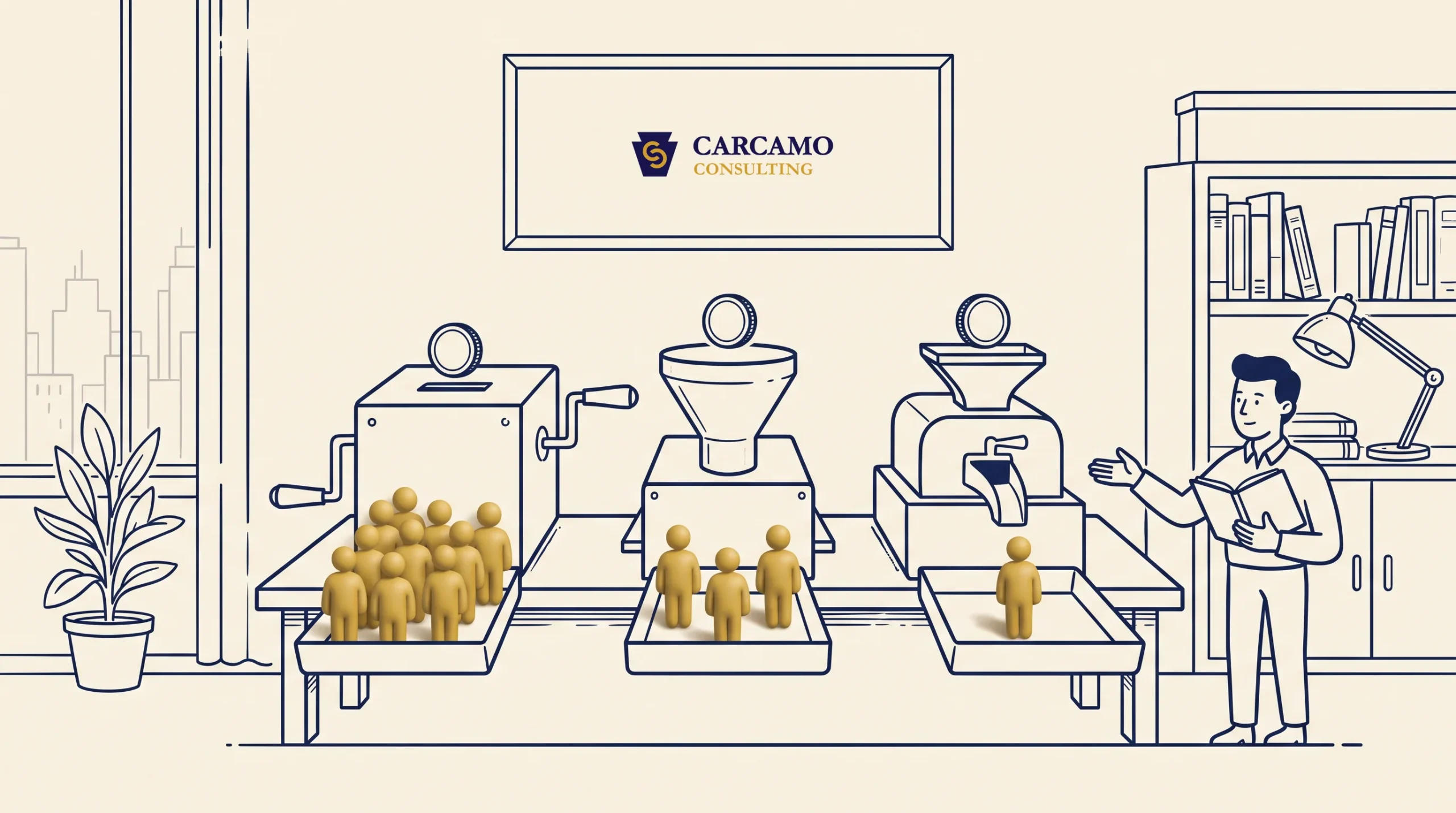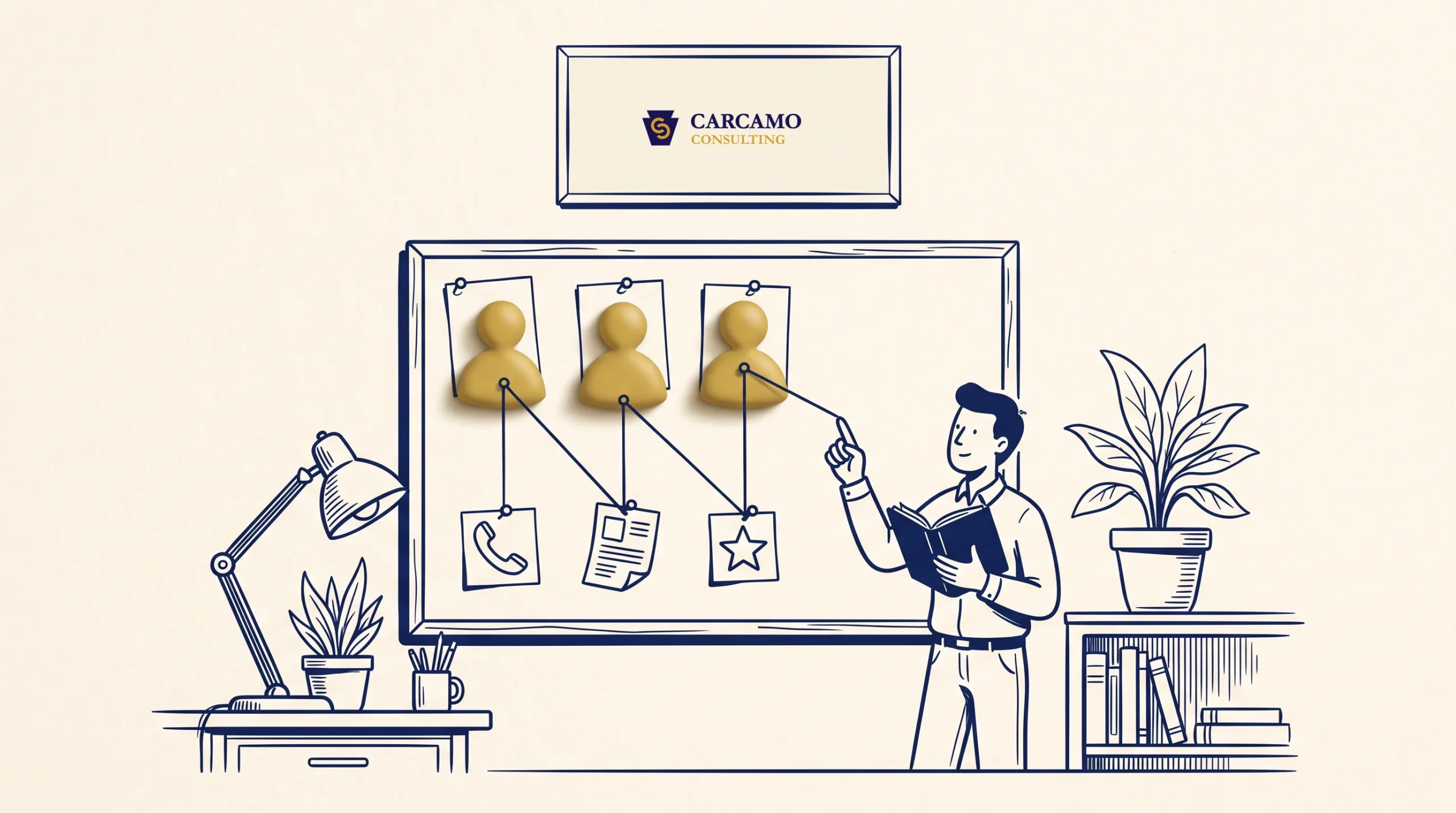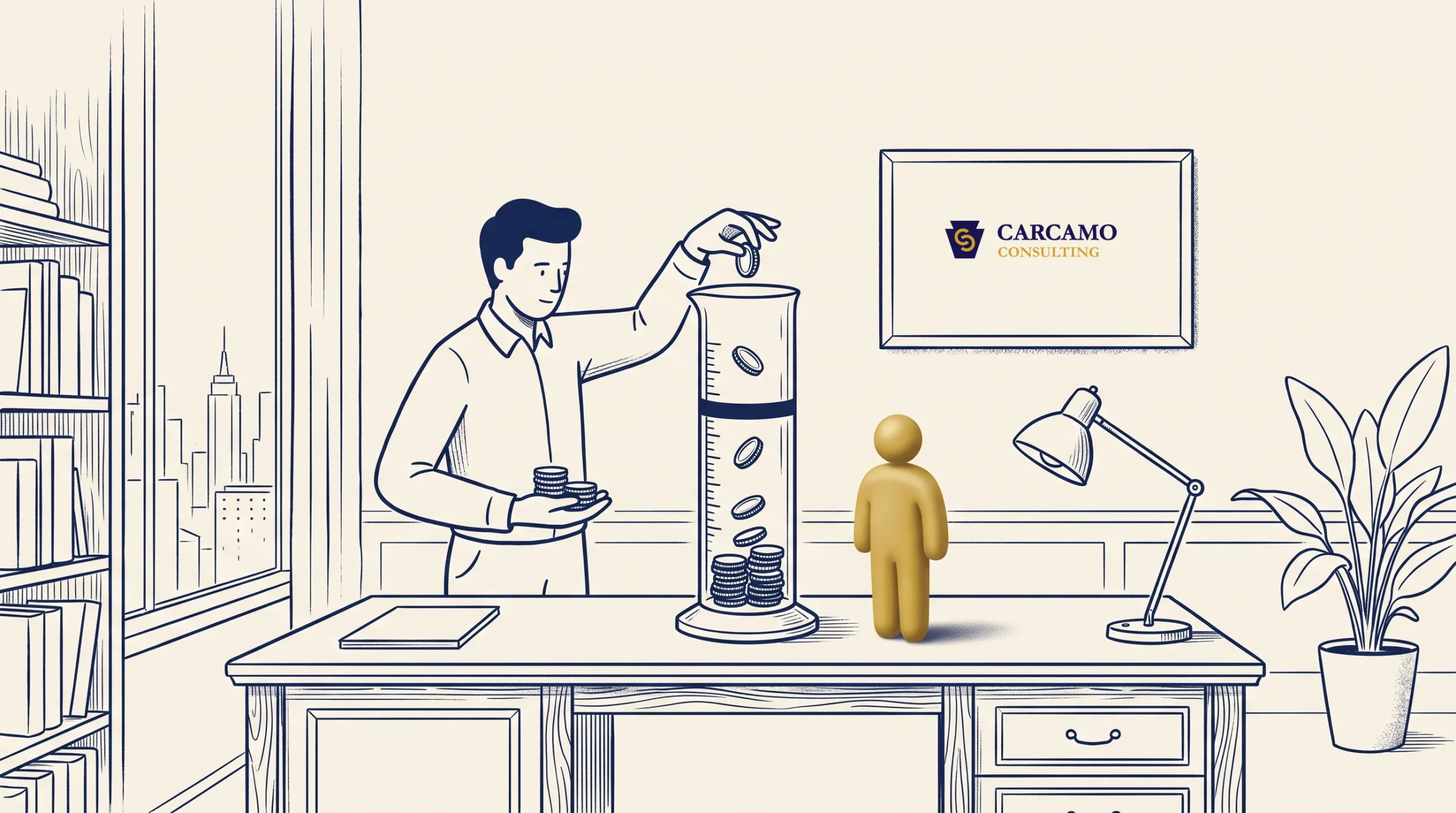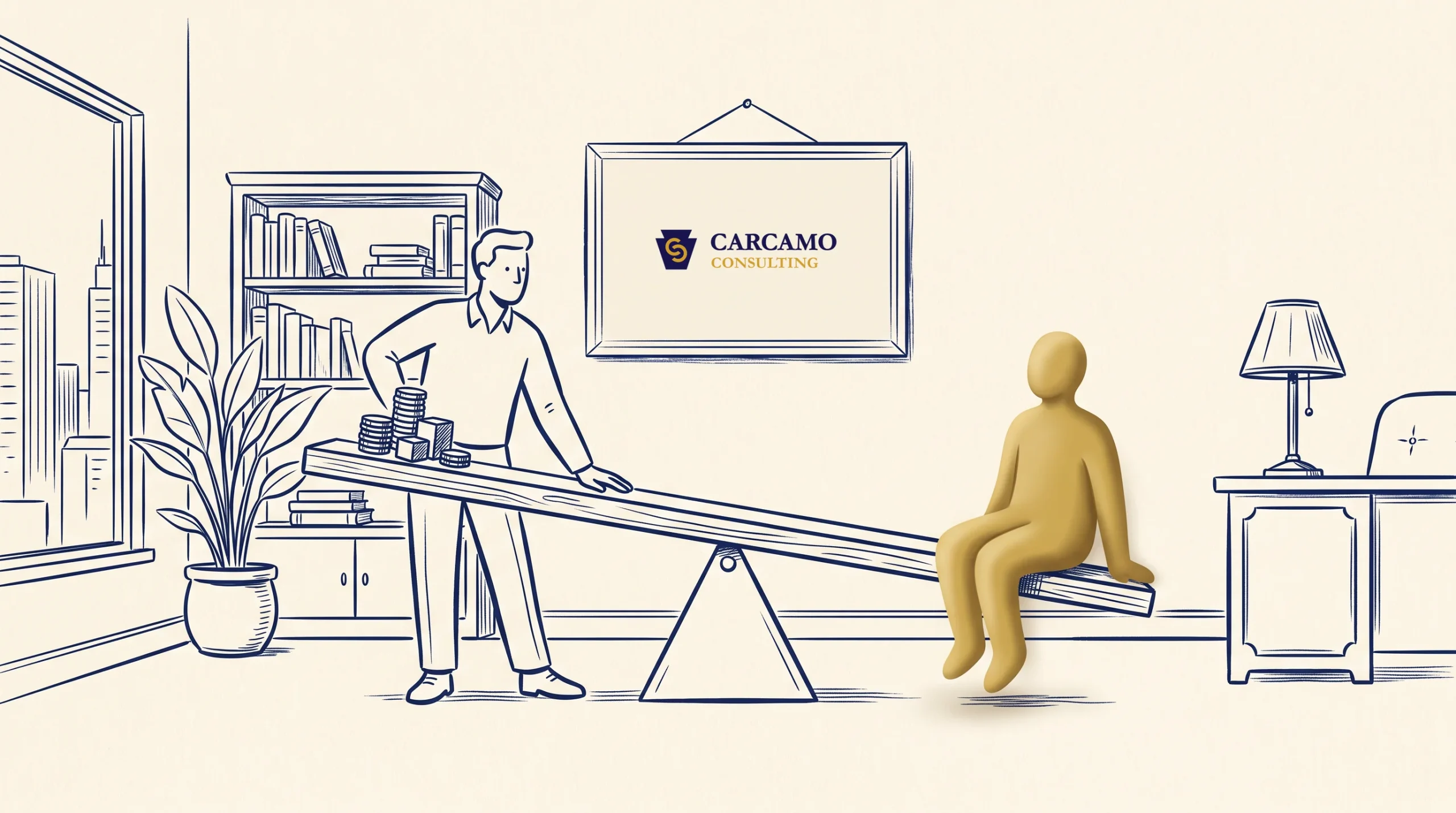

A customer referral program is a simple system that rewards your existing customers for sending new ones your way. You decide on a reward, you make it easy for happy customers to pass your name along, you track who referred whom, and you pay out when a referral turns into a paying job. That is the whole thing. You do not need software, a points system, or a marketing degree to run one.
The reason most referral programs fail is not the reward. It is that the business owner sets it up, mentions it once, and then forgets about it. A program that works is one you actually run, week after week, on purpose.
Here is how to build one you will keep.
What a customer referral program really does
Word of mouth already happens. Some of your customers are recommending you right now, with no prompt and no reward. A referral program takes that random good luck and turns it into something you can count on.
The math is hard to beat. A referral costs you a small reward instead of an ad budget, and the lead arrives pre-trusted because a friend vouched for you. That is why referred customers tend to spend more, stay longer, and haggle less. They are not comparing five quotes. They already decided you were the one before they called.
For a small local business, that is the cheapest, highest-quality lead source you have. The trick is making it deliberate. If you want the bigger picture on why word of mouth beats almost everything else, our guide on getting customers through referrals and word of mouth covers the full case. This piece is about the program itself: the nuts and bolts.
Pick one reward and keep it simple
The first decision is what you give. Spend ten minutes here, not ten days. A complicated reward structure is the fastest way to kill a program before it starts.
You have three honest options:
- A discount or credit on the referrer’s next service. This works beautifully for any business people use more than once, like cleaning, lawn care, or remodeling touch-ups.
- Cash or a gift card for a fixed amount. Best for one-time services where a “next visit” discount means nothing to the customer.
- A free add-on or upgrade. A free deep clean, an extra hour, a small upgrade that costs you a little but feels like a lot.
Match the reward to how much a job is actually worth to you. A common, sane range is 5 to 15 percent of the job value, or a flat amount that feels generous without hurting. If your average job is a few hundred dollars, a $25 to $50 reward is plenty. If you do larger jobs, a bigger percentage keeps it worth the referrer’s effort.
Do the math once and you will stop worrying about the cost. Say you give a cleaning customer a $25 credit for sending a neighbor, and that neighbor books a recurring monthly clean at $150. You spent $25 to earn a customer who might pay you a few thousand dollars over the next year. Compare that to a lead from an ad platform, where a single click in a competitive local trade can cost anywhere from a few dollars to well over twenty, with no guarantee anyone even calls. A referral is the rare lead where the cost only lands after you have already won the work.
Should you reward one side or both?
You can reward only the person who refers (single-sided), or both the referrer and the new customer (two-sided). Two-sided almost always wins for small businesses.
When both people get something, the referrer is not asking a friend to do them a favor. They are handing over a gift.
“Use my name and you get 15 percent off your first cleaning, and I get a credit too” is an easy thing to say. “Hey, do me a favor and hire my cleaner” is not. Take the awkwardness out and people refer far more often.
Make referring stupidly easy
A referral program lives or dies on friction. Every extra step you add cuts your results in half. Your job is to make passing your name along take about ten seconds.
You do not need a fancy portal. You need a clear, repeatable way for a customer to point someone at you. Pick one or two of these and use them consistently:
- A simple line in your invoice or receipt: “Know someone who needs us? Send them our way and you both get $25.”
- A few business cards or a small flyer you hand over at the end of a job, with the offer printed on the back.
- A short text or email you send a day or two after finishing, while the customer is still glowing about the work.
- A note in your email signature so the offer rides along on every message you already send.
The most important part is removing the “how.” Tell the customer exactly what to do. “Just give them my number and tell them to mention your name” is a real instruction. “Refer a friend” is a vague hope. If you want help with the moment of actually asking, our guide on asking for referrals without feeling awkward walks through the exact words to use.
Track it by hand, no software required
This is where the big guides try to sell you a tool. You do not need one to start. You need to know two things: who referred whom, and whether you paid them. A notebook or a free spreadsheet does that fine.
Make a simple list with five columns:
- Referrer (the customer who sent someone)
- New customer (who showed up)
- Date the referral came in
- Booked? (did it turn into a paying job)
- Reward paid? (yes or no)
When a new caller says someone sent them, write down both names. When that job closes, pay the reward and check the box. That is the entire tracking system. It scales to dozens of referrals a month without a single subscription.
The one habit that makes this work: ask every new customer how they found you. A quick “Who can I thank for sending you?” at the first call catches referrals you would otherwise miss, and it tells you which customers are quietly fueling your business so you can take extra care of them.
If you ever outgrow the spreadsheet, fine, look at software then. Most small businesses never need to.
Promote it more than feels comfortable
A referral program nobody knows about does nothing. This is the step everyone skips, and it is the step that actually matters.
You will mention your program and assume people heard you. They did not. People are busy, distracted, and thinking about their own day. The fix is repetition. Build the offer into the places customers already look:
- On your invoices and receipts, every time
- In your email signature
- On a sign or card at your counter or in your van
- In a follow-up message after every completed job
- On your website and your social media, a few times a year
Tell your team, too. If anyone besides you talks to customers, they should know the offer cold and mention it at the end of a good job. The goal is for a happy customer to bump into your referral offer naturally, right when they are most likely to act on it.
You are not being annoying. You are reminding satisfied people about a good deal. There is a difference.
Why referral programs fail (and how to avoid it)
Most failed programs share the same handful of mistakes. Dodge these and you are ahead of nearly everyone.
- They asked unhappy customers. Only invite referrals from people who are clearly pleased. A blanket ask catches the lukewarm ones too, and they will not send anyone.
- The reward was too small or too confusing. If a customer has to do math or read fine print, they tune out. Make it one clear number they can repeat from memory.
- They forgot to pay or say thank you. Nothing kills a program faster than a customer who referred someone and got silence. Pay promptly, and send a real thank-you. That customer is your most valuable salesperson.
- They mentioned it once. A program is not an announcement. It is a routine. Bring it up again and again until it is part of how you do business.
- They made it about software instead of service. No reward saves bad work. Referrals come from customers who were genuinely happy, so the real engine of your program is doing the job well in the first place.
A program you can launch this week
You do not need to overthink this. Here is the whole build in five moves:
- Choose your reward. Pick a two-sided offer, a clear number, matched to your job value. Done in an afternoon.
- Write one sentence that explains it, simple enough to say out loud. “Send us a friend and you both get $25.”
- Put that sentence everywhere: invoices, email signature, a card you hand over, a follow-up text.
- Start a tracking sheet with your five columns. Ask every new customer who sent them.
- Run it on purpose. Mention it after every good job, pay rewards fast, and thank the people who refer.
Referrals are the closest thing to free, qualified leads that a small business has. The owners who win with them are not the ones with the cleverest reward. They are the ones who actually keep the program alive. If you are still mapping out where referrals fit alongside your other channels, our complete playbook on how to get customers shows how the pieces work together.
If you are weighing how to set yours up and want a second pair of eyes, a free question is a good place to start. We run real local businesses ourselves, so we have built these programs the hard way and know what holds up.
Frequently asked questions
How much should I pay for a referral?
Base it on what a job is worth to you. A common range is 5 to 15 percent of the job value, or a flat amount that feels generous without cutting into your margin. For most small services, a $25 to $50 reward or credit is plenty. For larger jobs, a percentage keeps it worth the referrer’s time. The reward only has to beat what you would otherwise pay for a lead, and almost anything does.
Do referral programs actually work?
Yes, when you run them consistently. They work because a referred customer arrives already trusting you, which makes them easier to close and more likely to stay. The programs that fail are the ones the owner sets up and forgets. Promote it regularly, reward only happy customers, pay promptly, and keep it simple, and a referral program becomes one of your steadiest sources of new business.
How do I track referrals without software?
A notebook or a free spreadsheet is all you need to start. Make five columns: who referred, who the new customer is, the date, whether it booked, and whether you paid the reward. The habit that makes it work is asking every new customer who sent them, so no referral slips through. You can look at paid tools later if you ever outgrow the sheet, but most small businesses never do.
Should I reward the referrer, the new customer, or both?
Reward both. A two-sided offer turns the referrer’s ask into a gift instead of a favor, which removes the awkwardness and gets you far more referrals. “Use my name and you both save” is an easy thing for a customer to say. Rewarding only one side still works, but it asks more of the person doing you the favor, so fewer people bother.
When should I ask a customer for a referral?
Ask right after you have delivered great work, while the customer is still happy and the result is fresh. The end of a successful job, a glowing review, or a thank-you message are all natural moments. Never ask a customer who seemed unhappy or unsure, since a lukewarm referral helps no one and can hurt your reputation.
 Previous