
Knowing how to get case studies and testimonials from clients comes down to a simple habit: ask a happy client right after you deliver a great result, hand them three or four specific questions instead of a blank box, and offer to write the first draft from their answers. That combination removes the two things that stop most people: bad timing and writer’s block. Do it well a few times and you build a library of proof that sells for you while you sleep.
Most small business owners know testimonials matter. They just feel weird asking, so they never do, and they leave the single most persuasive marketing asset they own sitting on the table. A prospect deciding whether to hire you trusts another customer far more than they trust your own sales page. Your job is to make that proof easy to collect and easy to give.
Here is how to do it without feeling pushy, and how to turn a quick quote into a full case study when the story is worth it.
Case studies and testimonials are not the same thing
Both are social proof, but they do different jobs, and knowing the difference tells you when to use each one.
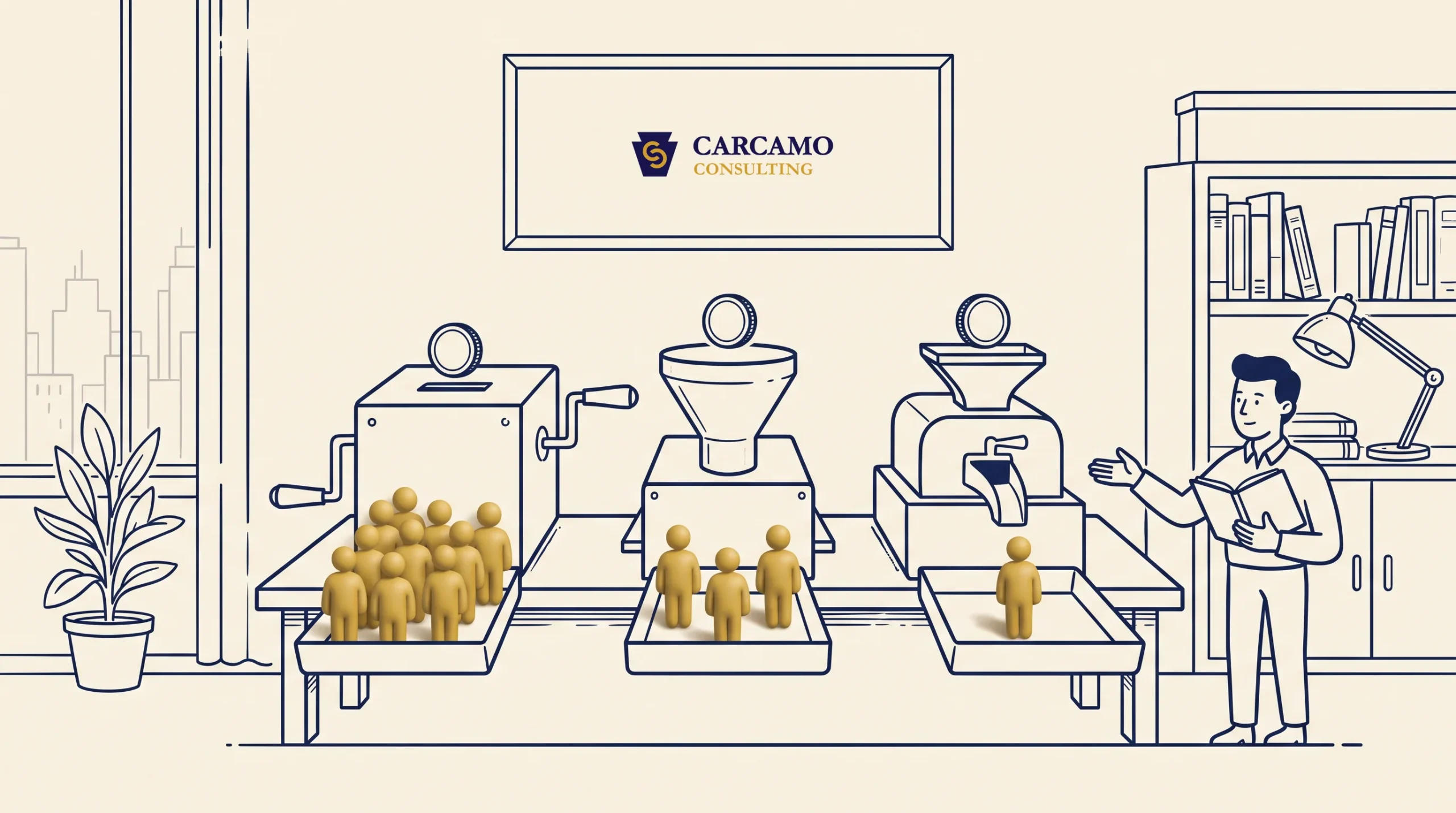
A testimonial is a short endorsement in the customer’s own voice. A sentence or two, a star rating, a quick video clip. It answers one question for a prospect: “Do people like you trust this business?” Testimonials are easy to collect and you want a lot of them.
A case study is the longer story behind one result. It walks through where the client started, what you did, and what changed. It answers a deeper question: “Will this actually work for a situation like mine?” Case studies take more effort, so you only build them around your best, most relevant wins.
A simple way to think about it: testimonials build trust at a glance, case studies close the careful buyer who needs to see the whole picture. You need both, and the good news is that one client interview can produce both at the same time.
When to ask: timing beats everything
The single biggest factor in whether you get a testimonial is when you ask. Ask at the wrong moment and even a delighted client goes quiet.
The best moment is right after a win, while the result is fresh and the client is still feeling it. A few natural trigger points:
- They just told you they are thrilled, in an email, a text, or in person
- You hit a milestone they care about: the job is finished, the launch went live, the numbers came in
- They referred someone to you without being asked
- They renewed, rebooked, or bought again
When a client sends you a message that basically says “this is amazing, thank you,” that is your cue. That is the moment to ask, not three weeks later when they have moved on to their next problem. Strike while the feeling is real.
If you missed the moment, it is not gone. Reaching back out with “I was just thinking about the project we did together and how well it turned out” reopens the door. But build the habit of asking at the peak, because that is when yes comes easily and the words come out warm.
Who to ask: pick the right clients, not all of them
You do not want a testimonial from everyone. You want them from the clients whose story will speak to your future buyers.
Start with three groups:
- Clients who got a clear result. A number, a before and after, a problem that is now solved. Specific beats vague every time.
- Clients who already praised you. If someone left a kind review or sent a happy email, they have shown they are willing. Going back for a fuller testimonial is a small step for them.
- Clients who look like the customers you want more of. A prospect sees themselves in people who share their situation. A testimonial from a business just like your ideal customer does more work than a glowing one from someone outside your lane.
This matters more for case studies than testimonials. Since a case study is a real investment, build it only around a win that a future client will read and think, “that is exactly my problem.”
Public ratings on platforms like Google work differently. You want those from as many happy customers as possible, which is its own process worth setting up alongside this one. If collecting those is on your list, here is how to get more online reviews from happy customers.
How to ask without it feeling awkward
The awkwardness comes from feeling like you are begging for a favor. Reframe it. You are not asking for a compliment. You are giving a happy client an easy way to help other people like them make a good decision, and helping yourself in the process.
Keep the ask short, specific, and low pressure. A version that works:
“I’m so glad the project worked out. Would you be open to sharing a few sentences about your experience? It helps other owners who are on the fence, and I can send you a couple of quick questions so it takes you two minutes.”
That last line is the whole trick. You are promising to make it easy, and you are signaling it will not eat their afternoon.
A few rules that keep it comfortable:
- Ask the way you already talk to them. Email, text, a quick call, whatever channel your relationship lives on. A formal request to a casual client feels off.
- Make it opt-out, not opt-in. “No worries at all if you’d rather not” lowers the stakes and, oddly, makes people more likely to say yes.
- Never trade a discount for praise. A small thank-you after the fact is fine. Paying for words turns an honest endorsement into an ad, and people can smell it. This is the same instinct that keeps a good referral ask from feeling slimy, which is worth reading more about in how to ask for referrals without feeling awkward.
The questions that turn a vague “they were great” into a usable testimonial
If you ask “can you write me a testimonial,” most clients freeze. They stare at a blank box, do not know what to say, and quietly never send it. Writer’s block is the number one reason testimonials never arrive.
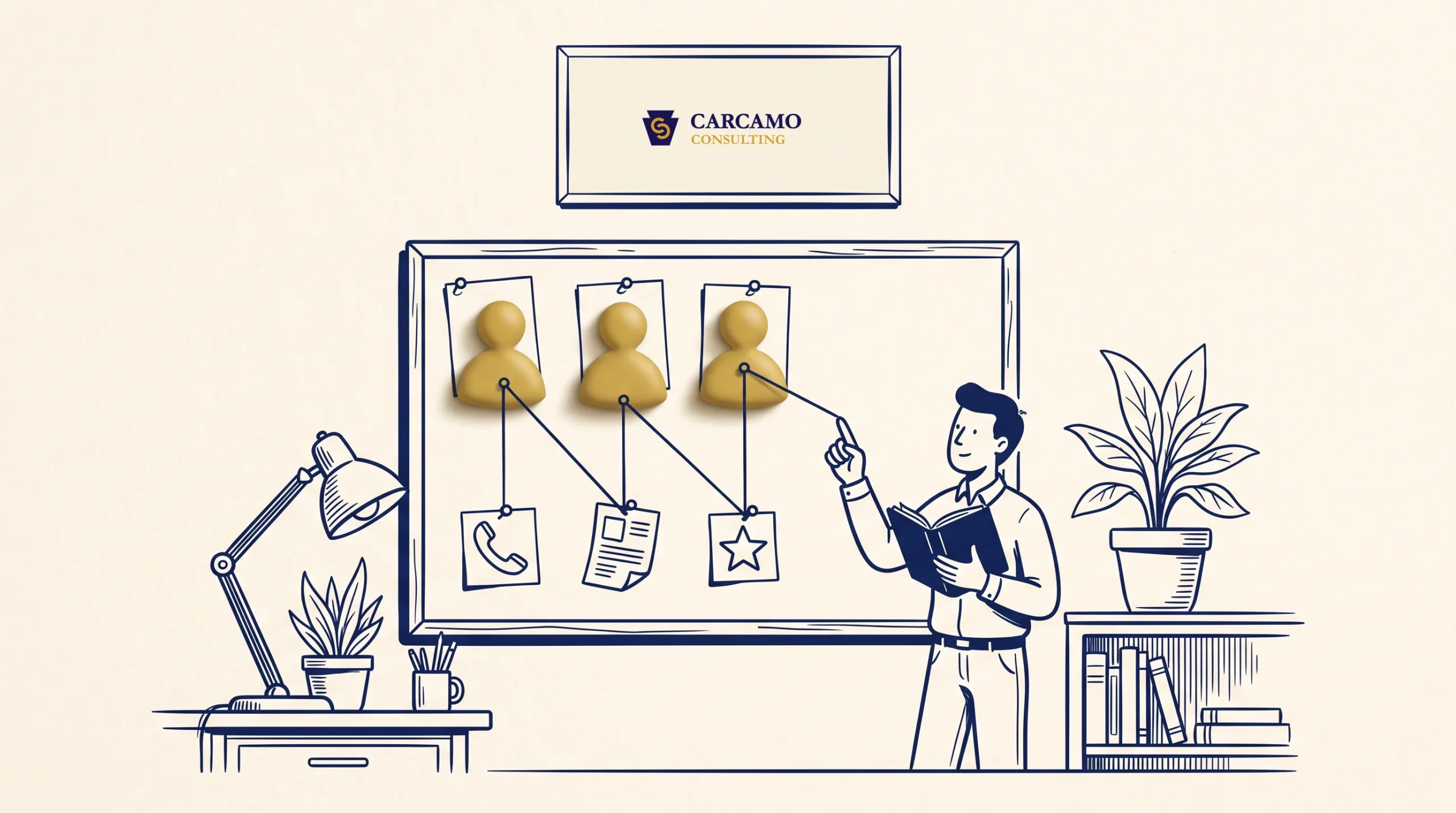
The fix is to ask specific questions that pull a real story out of them. You do not need 25. You need four or five, in this order:
- What was going on before you worked with us? This sets up the problem, and the problem is what a prospect recognizes themselves in.
- What made you choose us over the other options? This surfaces your real differentiator, in the customer’s words.
- What was it like to work with us? This covers the experience: communication, ease, how it felt.
- What changed as a result? Push gently for something concrete: more bookings, hours saved, a launch that finally happened, less stress on a specific thing.
- Would you recommend us, and who to? A direct endorsement, plus a clue about who else this story will land with.
The before and after arc is what makes a testimonial persuasive instead of generic. “They were professional and friendly” convinces no one. “I was turning away work because my scheduling was a mess, and within a month I had a system that let me take on three more jobs a week” sells the next customer for you.
For a written request, drop these into an email or a simple form. For a video or a call, use them as a loose script and let the client talk.
How to turn an interview into a case study
A case study is just a testimonial with the full story filled in. If you have already asked the five questions above, you have most of what you need. Structure it around a clean spine:
- The situation. Who the client is and what problem they came to you with. Set the scene in a sentence or two.
- What you did. The approach, plainly. Not a feature list, the actual steps you took to solve their problem.
- The result. What changed, with the most concrete numbers or outcomes you can honestly show. This is the heart of it.
- Their words. Pull a strong quote or two from the interview to close the loop in the client’s own voice.
The easiest way to gather the raw material is a short call. Ask permission to record it, frame it as a quick chat about how the project went rather than a “testimonial interview,” and let them tell the story. A fifteen-minute recording, transcribed, gives you a full case study, two or three short testimonial quotes, and even snippets you can use on social media. One conversation, a week of proof.
Once you have these assets, the work is not done until they are out where buyers see them. A folder of testimonials helps no one. Putting them on your site, your profiles, and your sales conversations is its own skill, and it is worth doing deliberately: here is how to go about turning reviews and testimonials into new customers.
Make it effortless: write the draft for them
This is the move that separates owners who have a wall of testimonials from owners who have none. When a busy client gives you a few sentences of feedback, or you have a recording, offer to write the testimonial for them and send it back for approval.
It sounds strange, but clients love it. You are saving them the work, and they get final say over every word. The message is simple:
“Based on what you shared, here’s a draft. Feel free to change anything or tell me to scrap it. I’ll only use it once you’re happy with it.”
A few honest guardrails:
- Use their actual words and meaning. You are tightening and shaping, not inventing praise they never gave.
- Always get explicit sign-off before it goes public, in writing. A quick “yes, that’s perfect” by email is enough.
- Ask how they want to be credited. Full name and business, first name and last initial, or a logo. Permission to use their name and likeness is part of the yes.
Do this once and you will notice how fast the testimonials start landing. You have removed the only real obstacle, which was the blank page.
What to do first
If you are staring at zero testimonials, do not try to build a system today. Do this instead:
- Look back at the last five clients who were genuinely happy.
- Pick the two who got the clearest result and look most like the customers you want more of.
- Send each one a short, friendly ask with the five questions, and promise to write the draft.
- For the single best story, ask for a fifteen-minute call and turn it into one real case study.
That is a week of work that gives you proof you will use for years. Then make it a habit: every time a client tells you they are thrilled, that is the signal to ask. Build the asking into the moment the work ends, and the library grows on its own.
If you are not sure which of your wins makes the strongest story, or you want help turning a pile of nice comments into proof that actually converts, that is the kind of thing we sort out with owners every day. Send us your questions and we will help you figure out where to start.
Frequently asked questions
What is the difference between a testimonial and a case study?
A testimonial is a short endorsement in the customer’s own words, usually a sentence or two or a quick video, built to create trust at a glance. A case study is the longer story behind one result, walking through the client’s starting problem, what you did, and what changed. Testimonials are quick to collect and you want many; case studies take more effort, so you build them around your best wins.
How do you ask a client for a testimonial?
Ask right after a clear win, keep the request short, and make it easy. Tell them you would love a few sentences about their experience, that it helps other owners on the fence, and that you will send a couple of quick questions so it only takes a minute. Asking the way you already communicate with them, by email, text, or a quick call, keeps it natural.
When is the best time to ask for a testimonial?
Ask while the result is fresh and the client is feeling it: right after you finish a job, hit a milestone they care about, or get a happy message from them. A client telling you they are thrilled is your cue to ask in that moment, not weeks later when the excitement has faded and they have moved on.
What questions should I ask for a testimonial?
Four or five specific questions beat one open-ended request. Ask what was going on before they worked with you, what made them choose you, what it was like to work with you, what changed as a result, and whether they would recommend you. The before and after arc is what makes the testimonial persuasive, so push gently for one concrete outcome.
Can I write the testimonial for my client?
Yes, and it often gets you more and better testimonials. When a client is busy, offer to draft it from the feedback they gave you or from a recorded call, then send it for approval. Use their real words and meaning, change nothing they did not say, and always get explicit written sign-off before you use it publicly.
A client agreed to a testimonial but never sent it. What should I do?
Follow up once, gently, and remove the friction. Most clients who go quiet are not unwilling, they just got busy and did not know what to write. Send the five questions, or better, write a short draft based on what they already told you and ask them to approve or tweak it. Doing the work for them turns a stalled yes into a finished testimonial.
Should I offer an incentive for a testimonial?
Avoid paying for praise. A small thank-you after the fact is fine, but trading a discount or gift for a positive review turns an honest endorsement into a paid ad, and prospects can sense it. For public reviews especially, incentives can also violate platform rules. The better motivator is making the ask effortless and reminding the client they are helping other people like them.
How do I get testimonials when I am just starting out?
Use the work you have, even if it was unpaid or for friends. A beta client, a free or discounted first project, or a favor for someone in your network all count, as long as you delivered real value. Ask the same five questions and focus on the result you created. A few honest testimonials from early clients are enough to make the next prospect comfortable saying yes.
 Previous