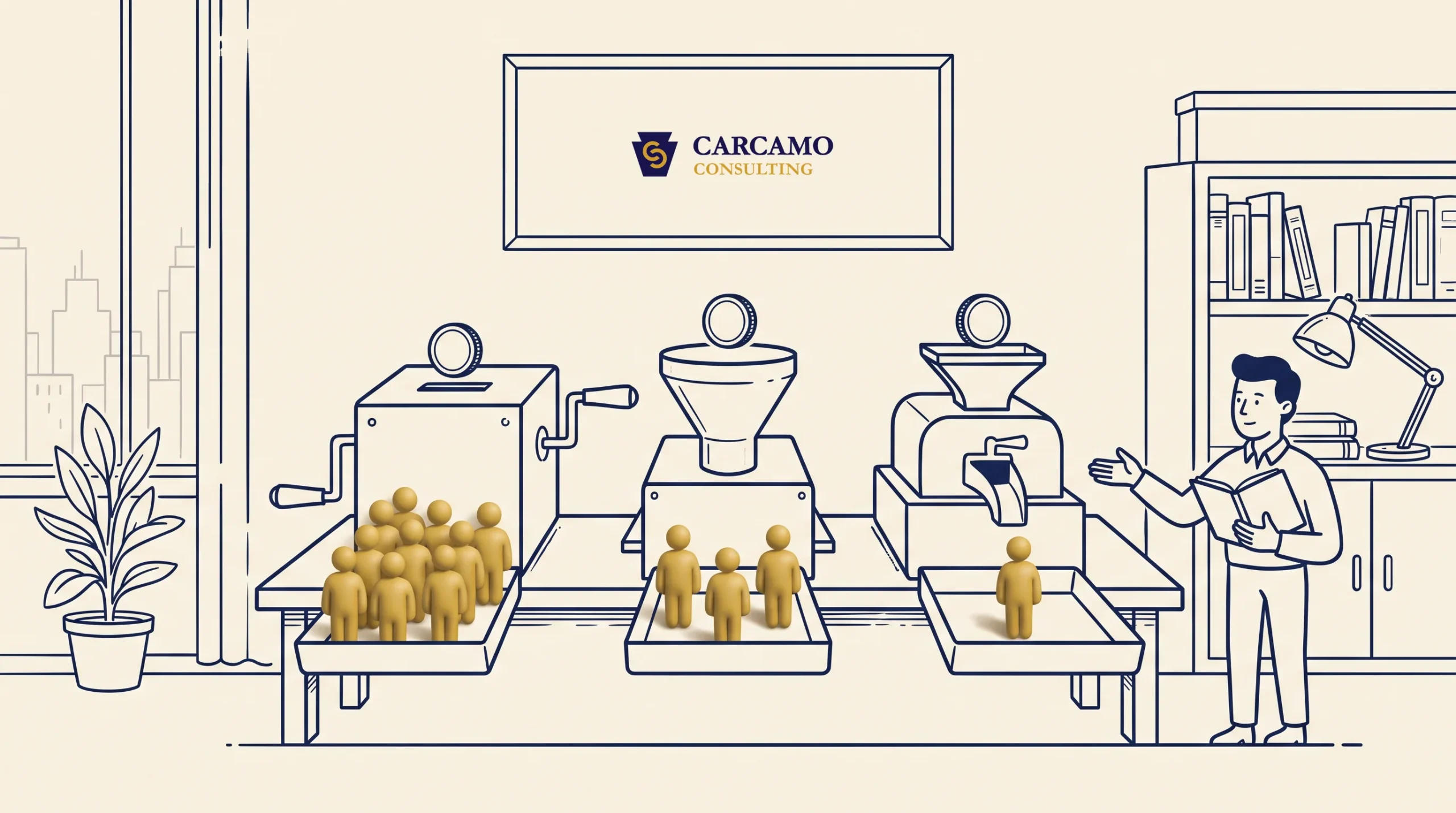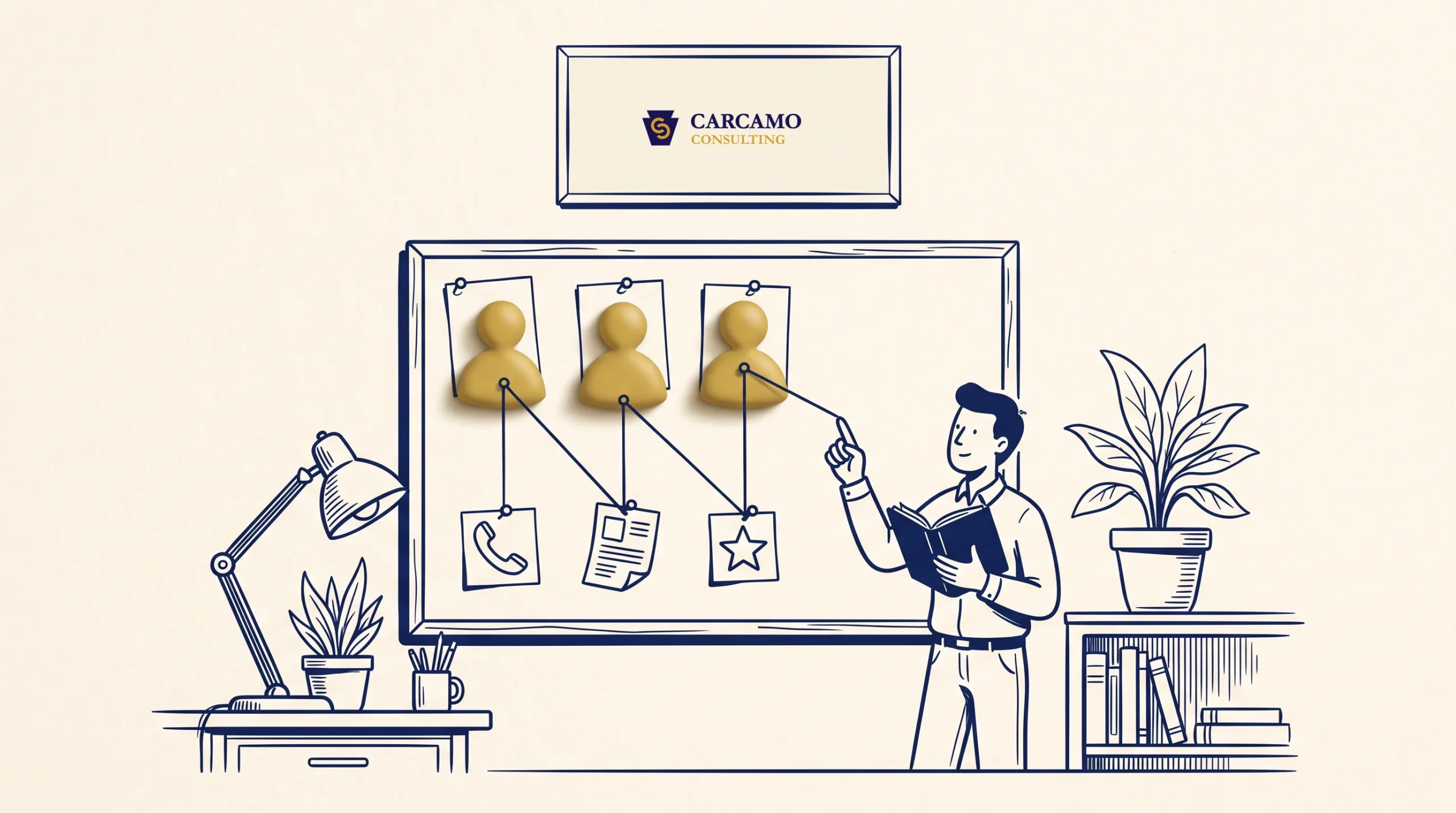
You can get customers through LinkedIn outreach in 2026, and the reply rates beat cold email when you do it right. A well sent LinkedIn message earns a reply about 10 percent of the time on average, and messages to people you are already connected with hit closer to 17 percent. Compare that to around 5 percent for cold email.
But there is a catch, and it trips up almost everyone. The moment your message reads like a pitch, it dies. LinkedIn rewards a slow, human approach and punishes the spray and pray. Here is how to warm people up, write a message they actually answer, and turn a connection into a paying client.
Does LinkedIn outreach still work?
Yes, especially if you sell a service to other businesses. LinkedIn is where those buyers already are, and a message there feels more personal than an email lost in a crowded inbox.
The numbers back it up. A good LinkedIn reply rate sits between 10 and 25 percent, and the best senders reach 30 to 50 percent with personal, multistep outreach. A single cold message with no warm up, though, limps in at under 5 percent. The difference is entirely in the approach.
The people who win on LinkedIn are not the ones sending the most messages. They are the ones sending the most relevant messages to the right people, one thoughtful note at a time.
Why pitching in the connection request fails
The single most common mistake is trying to sell before you are even connected. A connection request exists to open a door, not to close a deal. Lead with a pitch and you get ignored, or worse, marked as spam.
It shows in the data. The average connection request is accepted only 28 to 37 percent of the time, which means most cold requests are already being ignored. A salesy note makes that worse. Anything under 20 percent acceptance is a sign your targeting or your message is off.
Treat the connection request as a handshake, not a sales table. Keep it short and human, or send no note at all. The conversation comes later.
Warm up before you message
The best outreach does not start with a message. It starts with showing up. Before you ask for anything, get on the prospect’s radar so your name is familiar when you finally reach out.
A simple warm up routine over a week or so:
- View their profile. They often notice, and it plants your name.
- Engage with 2 or 3 of their posts. A thoughtful comment beats a like, because it puts your face and your thinking in front of them.
- Share or react to something they published. Now you are a familiar name, not a stranger.
- Then send the connection request, with a short, human note or none at all.
This takes patience, but it is the difference between landing as “someone who engages with my work” and “another person selling something.”
Write the DM that gets a reply
Once you are connected, the goal of your message is a conversation, not a sale. You are trying to earn a reply, then a call. Nothing more.
Personalize with a real signal
Generic openers are dead. What works is a specific reason tied to something real: a role change, a new hire, a post they wrote, a milestone their business hit. “Saw you just opened a second location” beats “I help businesses like yours” every time. That one line proves the message was written for them.
Keep it short and lead with them
Two or three sentences is plenty. Open with the thing you noticed about them, connect it to a problem you know how to solve, and end with a light question that invites a reply. Do not paste your services. Do not ask for a meeting in the first message.
End with a soft question, not a hard ask
“Is that something you are thinking about right now?” gets more replies than “Do you have 30 minutes this week?” A small, easy question starts the back and forth, and the call comes naturally once there is a real conversation going.
How many messages should you send?
LinkedIn watches your activity closely, and blasting requests is the fastest way to get your account limited. Slow and targeted wins here too.
- Keep connection requests to roughly 80 to 100 per week, and no more than about 25 in a day.
- Acceptance is actually highest when you send only 10 to 20 a day, so volume works against you.
- Build a focused list of the businesses you genuinely want to work with, not a giant list of anyone.
A smaller, sharper list beats a big one on every measure that matters: acceptance, replies, and real conversations. Quality of targeting is the whole game.
Follow up without being annoying
Most people send one message and give up. The replies live in the follow ups, as long as each one adds something instead of just nudging.
A simple cadence works: 3 to 4 touches over 10 to 14 days. Space them out, and make each message useful. Share a relevant example, a quick idea, or something you noticed. If someone does not respond after a few genuine tries, let them go and move on. Persistence is good; pestering burns the relationship.
The rhythm matters more than the volume. A few well spaced, thoughtful messages will always beat a pile of “just following up” notes.
LinkedIn and email work better together
You do not have to pick one channel. The strongest outreach uses both. Adding a LinkedIn touch to a cold email sequence lifts your total reply rate by roughly 23 to 31 percent over email alone.
The reason is simple: seeing your name in two places makes you feel real and established instead of random. A prospect who saw your thoughtful LinkedIn comment on Monday is far more likely to open your email on Thursday.
If your buyers are businesses, treat LinkedIn as the front door and email as the follow through, both part of one email and direct outreach plan. For a deeper look at the platform itself, our guide on getting B2B customers on LinkedIn covers the profile and content side that makes outreach land.
How to get customers through LinkedIn outreach, step by step
If you weigh where to spend your time, start small and human. Pick 20 or 30 businesses you would love to work with. Spend a week engaging with their posts. Send a short, personal connection request with no pitch. Once connected, open a real conversation tied to something specific about them, and follow up a few times over two weeks with something useful each time.
Done this way, LinkedIn stops being a place where your messages get ignored and becomes a steady source of real conversations with the exact customers you want. If you would like help building your target list or writing your first message, a free question to our team is a good place to start.
Frequently asked questions
Does LinkedIn outreach still work for getting clients?
Yes, particularly for businesses that sell to other businesses. Average LinkedIn reply rates run about 10 percent, and messages to existing connections reach around 17 percent, both ahead of cold email. The key is warming people up instead of cold pitching.
Should I pitch in the connection request?
No. The connection request is there to open a door, not to sell. Pitching before you are connected is the fastest way to get ignored or marked as spam. Keep it short and human, then start the real conversation once you are connected.
How do I write a LinkedIn message that gets a reply?
Keep it to two or three sentences, open with a specific detail about the person, tie it to a problem you can solve, and end with a light question. Do not paste your services or ask for a meeting in the first message. The goal is a conversation, not a sale.
What is a good LinkedIn connection acceptance rate?
A good acceptance rate in 2026 is between 30 and 45 percent. The average sits around 28 to 37 percent, so most cold requests are ignored. Anything under 20 percent points to a targeting or profile problem.
How many connection requests can I send per day?
Keep it to roughly 80 to 100 a week and no more than about 25 a day. Acceptance is actually highest at 10 to 20 a day, so sending more works against you and can get your account limited.
How many times should I follow up?
Three to four touches over 10 to 14 days is a good cadence. Space them out and make each message useful, sharing an idea or example rather than just nudging. If there is no response after a few genuine tries, move on.
Is LinkedIn better than cold email?
LinkedIn tends to get higher reply rates, but the two work best together. Adding a LinkedIn touch to an email sequence lifts total replies by about 23 to 31 percent over email alone, so use LinkedIn as the front door and email as the follow through.
 Previous