
Ask almost any small business owner where their best customers come from, and you will hear the same answer: someone told them about you. Referrals and word-of-mouth are the most trusted, most affordable way to get customers, and they tend to send you the kind of people who are easy to work with and ready to buy.
Here is how you get customers through referrals. You earn word-of-mouth by giving people an experience worth talking about, then you make it easy and natural for them to talk.
That is the whole game: be genuinely good, then ask, remind, and reward. Most owners nail the first part and skip the rest, which is why their referrals trickle in by luck instead of arriving on purpose.
What follows is how referrals and word-of-mouth really work, why they pull in such good customers, and the specific moves that turn quiet satisfaction into a steady stream of new business.
Word-of-mouth and referrals: what is the difference?
People use the terms together, but they are not quite the same thing, and knowing the difference helps you grow both.
Word-of-mouth is anything people say about you when you are not in the room. A customer mentioning your name at a dinner party, a glowing review online, a recommendation in a local Facebook group. It is broad, organic, and often happens without anyone being asked.
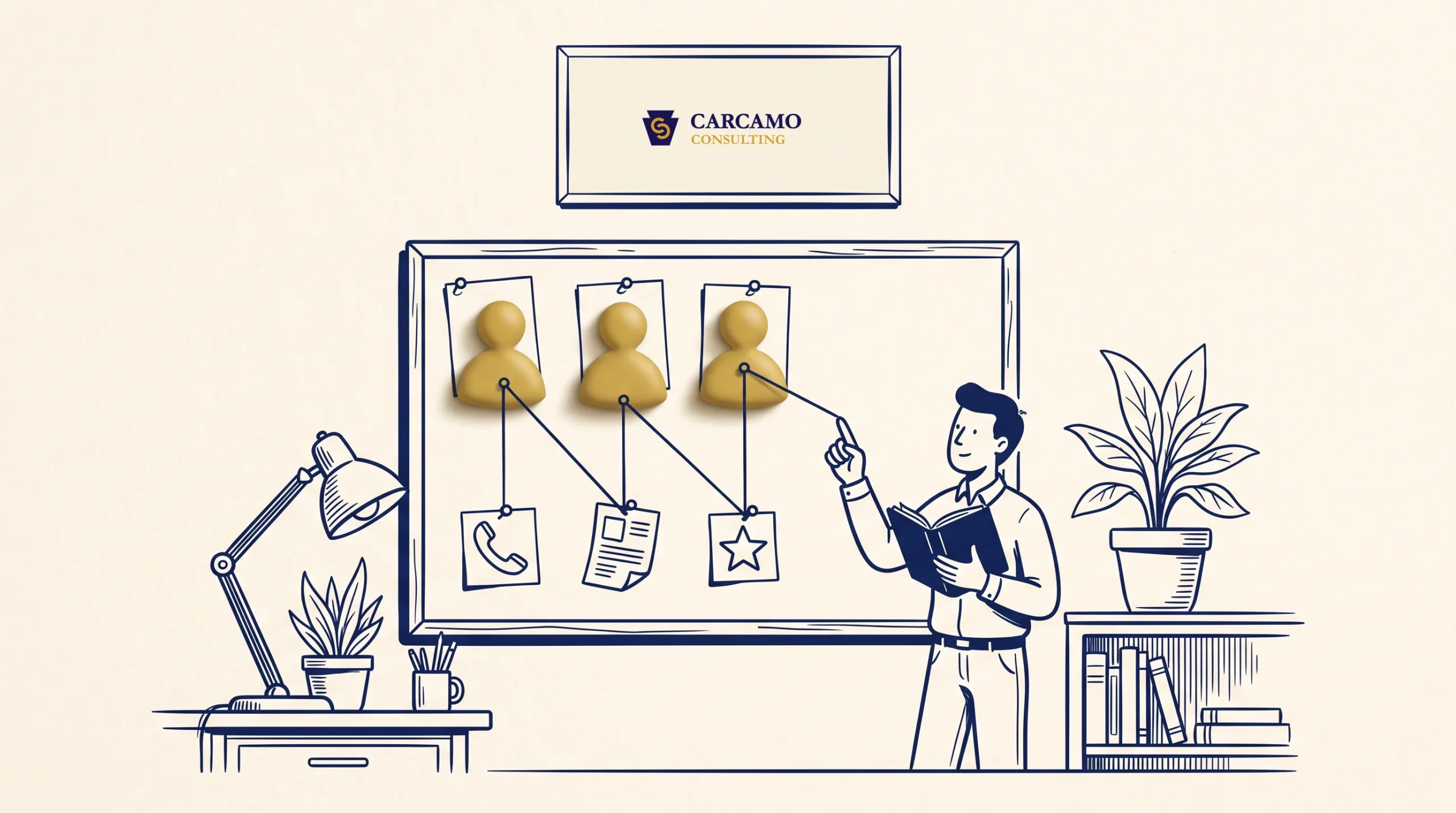
A referral is more specific: someone actively sends a particular person your way. “You should call them, here is the number.” A referral is word-of-mouth with intent behind it, a direct handoff from someone who trusts you to someone who trusts them.
Word-of-mouth builds your reputation. Referrals book your calendar. You want both, and the same habits feed each: deliver well, stay memorable, and make recommending you effortless.
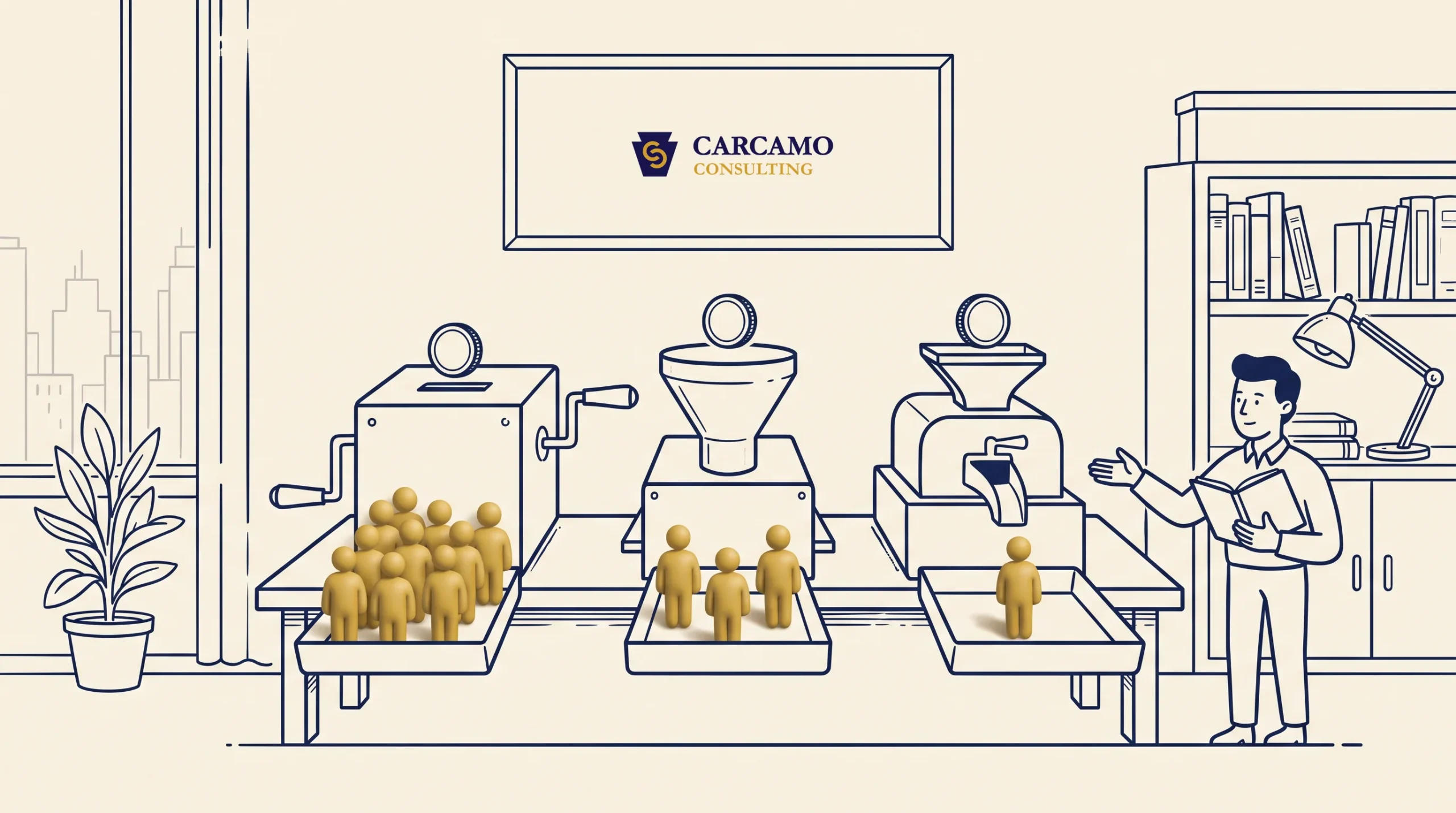
Referrals are a form of what marketers call the earned channel, the customers you get because other people promote you for free. If you want the bigger picture of how this fits alongside paying for ads and showing up in search, our overview of the three customer acquisition channels lays it out.
Why word-of-mouth is so powerful
A recommendation from a friend does something no ad can do: it borrows trust. When someone you know says a business is good, you believe it before you have spent a dollar or read a single review. The risk feels lower because someone you trust already took it.
That trust shows up in three ways that matter for your bottom line:
- Referred customers arrive pre-sold. They already expect you to be good, so they question less, haggle less, and decide faster.
- They tend to be a better fit. People refer others who are like them, so a good customer usually sends you more good customers.
- It costs you almost nothing. No ad spend, no platform fees. The “cost” is doing great work and staying in touch, which you should be doing anyway.
The catch is that word-of-mouth feels like it is out of your hands. It is not. You cannot control exactly what people say, but you have a lot of influence over whether they say anything at all.
The foundation: be worth talking about
None of these tactics work if the underlying experience is forgettable. People do not refer “fine.” They refer remarkable, and remarkable does not have to mean fancy.
You become referable by being noticeably better at the moments customers actually notice:
- Do excellent work, consistently. Reliability is rare enough that being dependable makes you stand out.
- Be easy to deal with. Answer quickly, communicate clearly, and make the whole thing feel simple. People talk about businesses that took the stress away.
- Add one small surprise. A faster turnaround than promised, a thoughtful follow-up, a tiny extra you did not charge for. Small surprises are exactly the details people repeat.
If you are not getting referred, the first question is not “what is my referral strategy.” It is “am I giving anyone a reason to bring me up.” Fix the experience first, then the tactics below pour fuel on it.
How to get more customers through referrals
Once the experience is solid, these are the moves that turn quiet satisfaction into active recommendations.
Just ask (the step almost everyone skips)
The single biggest reason you are not getting more referrals is that you are not asking for them. Happy customers are usually glad to help; it simply does not occur to them in the moment.
Asking is not pushy when you do it right. Wait until a customer is clearly pleased, then make a specific, low-pressure request: “I am so glad you are happy with this. I am taking on a few new clients right now, so if you know anyone who could use the same help, I would really appreciate you passing my name along.” Specific beats vague. “Do you know anyone who just bought a house and needs work done” gets a better answer than “let me know if you hear of anyone.”
Make it effortless to share
Every bit of friction costs you referrals. Your job is to make recommending you take ten seconds, not ten minutes.
- Hand satisfied customers a couple of extra business cards to pass along.
- Give them a simple link to your site or your booking page they can text to a friend.
- If you are online, make your best work easy to share and tag.
The easier you make it, the more often it happens.
Reward and thank the people who send business your way
When someone sends you a customer, acknowledge it fast and make them feel it mattered. A quick handwritten note, a small gift, or a public thank-you goes a long way, and it makes them far more likely to do it again.
You can also formalize this with a referral program: a clear, standing offer of a reward for sending customers your way. The strongest versions reward both sides, the person referring and the new customer, so everyone has a reason to take part. Keep the reward something that fits your margins, like a discount, account credit, or a small free add-on. Asking your existing contacts to spread the word is often the fastest start of all, and our guide on using your personal network to land clients walks through how to do it without feeling like a pest.
Turn reviews and testimonials into word-of-mouth at scale
A review is word-of-mouth that keeps working long after the conversation ends. When a stranger reads that dozens of people loved working with you, it carries much of the same trust as a personal recommendation.
Make collecting them a habit. Ask every happy customer for a review while the good feeling is fresh, point them to exactly where to leave it, and then show those reviews off on your website and social media. Online reviews are one of the first things a potential customer checks, so a steady stream of recent, genuine ones quietly sells for you around the clock.
Build referral partnerships with other businesses
Some of your best referral sources are not customers at all. They are other local businesses that serve the same people you do without competing with you.
A remodeler and an interior designer, a wedding photographer and a florist, an accountant and a business consultant: each can send work to the other. Find a few businesses whose customers overlap with yours, build a real relationship, and agree to point clients each other’s way. One solid referral partner can send you customers for years.
Stay top of mind
People can only refer you if they remember you. Most word-of-mouth is lost simply because a customer forgot your name by the time the subject came up.
Stay in gentle contact after the job is done. A periodic email, an occasional helpful post, a quick check-in. You are not nagging; you are making sure that when someone nearby asks “do you know a good ___,” your name is the one that surfaces.
A simple plan to start this week
You do not need all of this at once. Start small and build the habit:
- Pick your three happiest recent customers and personally ask each for a referral or a review.
- Set up one easy way to share you (extra cards, or a link you can text).
- Decide how you will thank anyone who sends you business, and do it every single time.
- Reach out to one local business that serves your customers and float a referral swap.
Do that consistently and word-of-mouth stops being something that happens to you and becomes something you build.
If you are not sure where your best referral opportunities are, that is exactly the kind of thing we help local owners figure out. Send us a question whenever you want a second set of eyes, it is free to ask.
Frequently asked questions
What is the difference between word-of-mouth and referrals?
Word-of-mouth is anything people say about your business when you are not there, including reviews and casual mentions. A referral is more direct: someone actively sends a specific person to you. Referrals are word-of-mouth with intent, a personal handoff from someone who trusts you to someone who trusts them.
Why is word-of-mouth so effective?
It borrows trust. A recommendation from someone you know lowers the perceived risk of trying a new business, so referred customers arrive already expecting you to be good. They tend to decide faster, negotiate less, and be a better fit, because people usually refer others who are similar to them.
How do I get word-of-mouth when I have no customers yet?
Start with the people who already know you. Tell your personal network exactly what you do and who you help, ask them to keep you in mind, and consider doing a small amount of excellent work to earn your first reviews and testimonials. A handful of early advocates is enough to get the cycle going.
How do I ask a customer for a referral without being pushy?
Wait until they are clearly happy, then make a specific, low-pressure request. Something like, “If you know anyone who could use the same help, I would really appreciate you passing my name along.” Naming the kind of person you are looking for makes it easier for them to think of someone. Most happy customers are glad to help once you ask.
Do referral programs actually work for small businesses?
They can, when the experience behind them is strong and the offer is simple. The most effective programs reward both the referrer and the new customer and use a reward that fits your margins, like a discount or account credit. A referral program turns occasional recommendations into a repeatable system, but it amplifies good service rather than replacing it.
How long does word-of-mouth take to work?
It builds gradually. The first referrals can come within weeks if you ask happy customers directly, but a real reputation compounds over months as more people experience your work and tell others. The owners who get there fastest are the ones who ask consistently rather than waiting for it to happen on its own.
 Previous