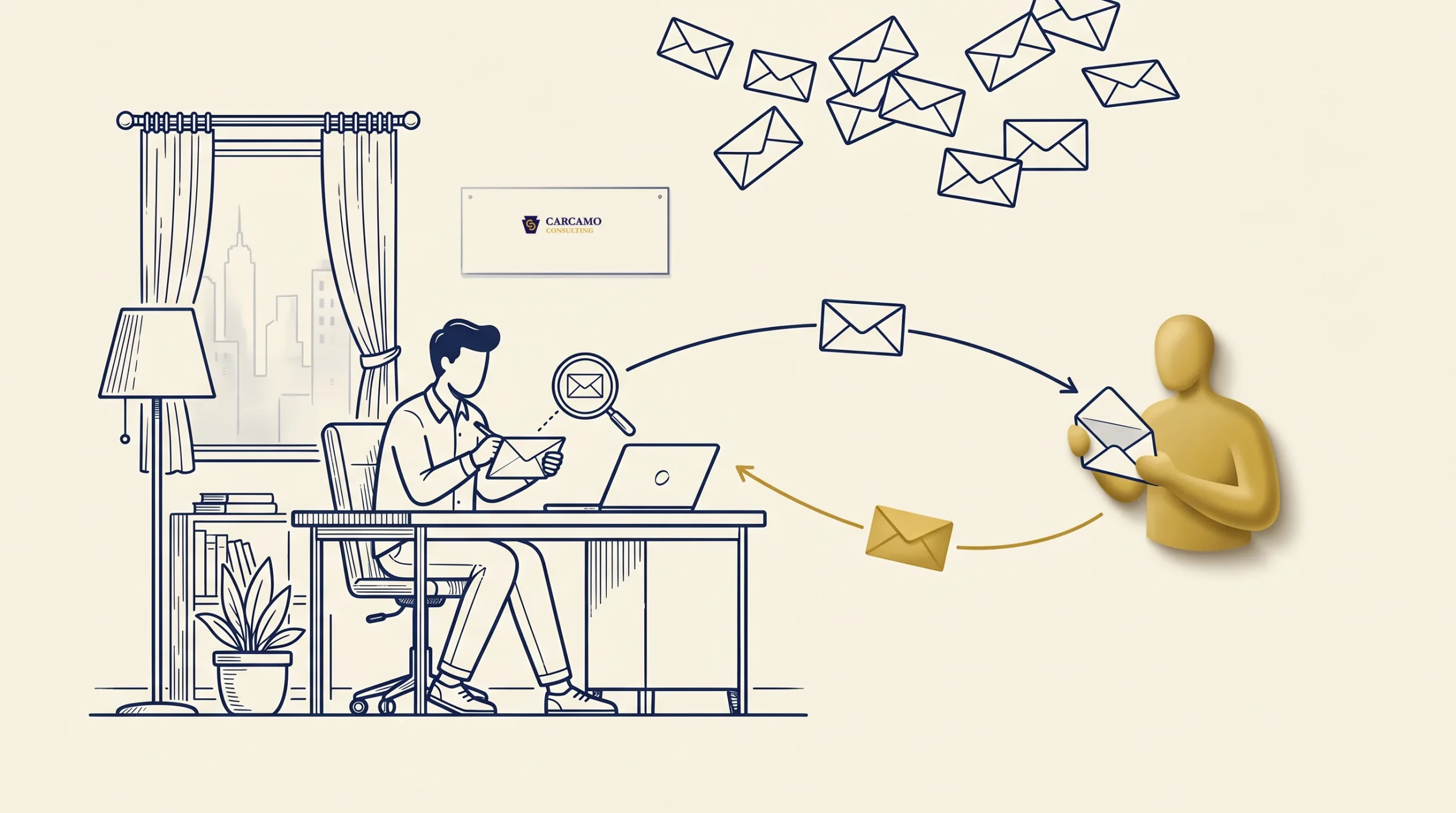
You can still get customers with cold email, even in 2026. The catch is that the version that works looks almost nothing like the version most people send. A real reply comes from a short, specific note written to one business by a human who did five minutes of homework. The kind that gets ignored is the mass, copy and paste blast that could have been sent to anyone.
If you have ever fired off a batch of emails and heard nothing back, the problem probably was not that “cold email is dead.” It was the email. Here is how to write ones people actually answer, how many to send, and how to stay out of the spam folder.
Does cold email still work?
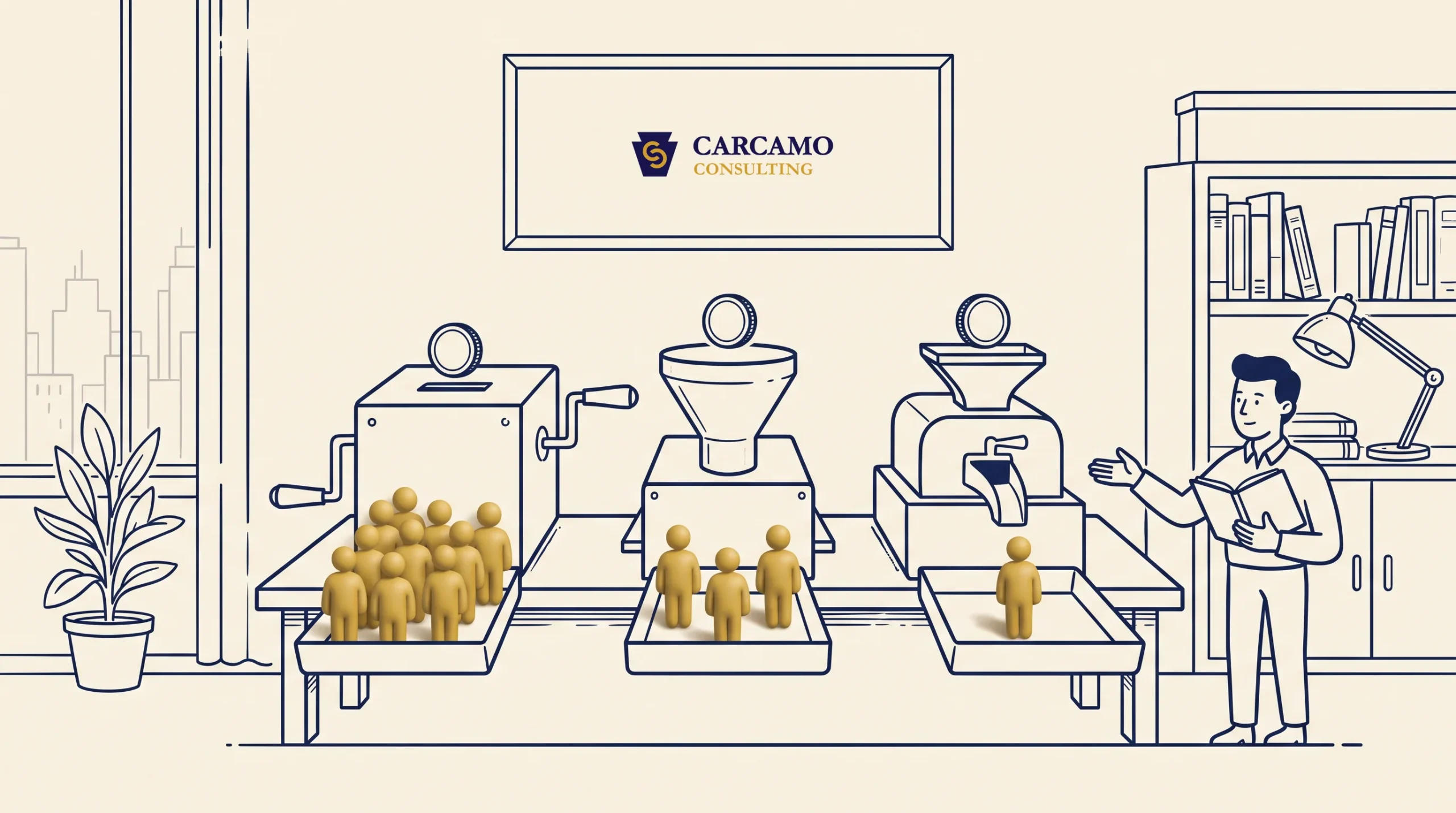
Yes, when it is targeted and personal. The numbers are humbling but honest. The average cold email response rate in 2026 sits around 3.4 percent, and a genuinely good campaign clears 5 percent. That sounds low until you look closer: small, tightly targeted lists of 50 people or fewer average about 5.8 percent, while giant blasts average closer to 2 percent.
Read that again, because it is the whole game. Fewer, better emails beat more, worse ones. As a small business owner sending by hand, you are actually built to win here. You can research each recipient in a way a sales team blasting 300 a day never will.
Cold email is one lane of a bigger email and direct outreach approach. It shines when you know exactly who your best customer is and you can name them one at a time.
Why most cold emails get ignored
Almost every ignored email breaks the same handful of rules:
- It is obviously a template. “I came across your company and thought I would reach out” tells the reader you know nothing about them.
- It is about you, not them. Three paragraphs on your services, zero on their problem.
- It asks for too much. “Can we hop on a 30 minute call this week” from a total stranger is a big ask.
- It has a weak or spammy subject line. Anything that smells like marketing gets deleted before it is opened.
- It never follows up. One email and silence, so the writer assumes it failed.
None of these are hard to fix. They just take a little more thought and a little less volume.
The anatomy of a cold email that gets a reply
A good cold email has four parts, and each one has a job.
The subject line
This is the only thing standing between your email and the trash. Keep it short and human, ideally between 21 and 40 characters, which is the range that opens best and still fits on a phone screen. Roughly two out of three people open email on mobile first.
Personalized subject lines get opened far more often than generic ones. Skip the word “free,” skip all caps, and skip anything that reads like an ad. A subject line that mentions the person’s business or a specific detail beats “A quick question” every time. Think “Your new location on Main St” over “Grow your business today.”
The opening line
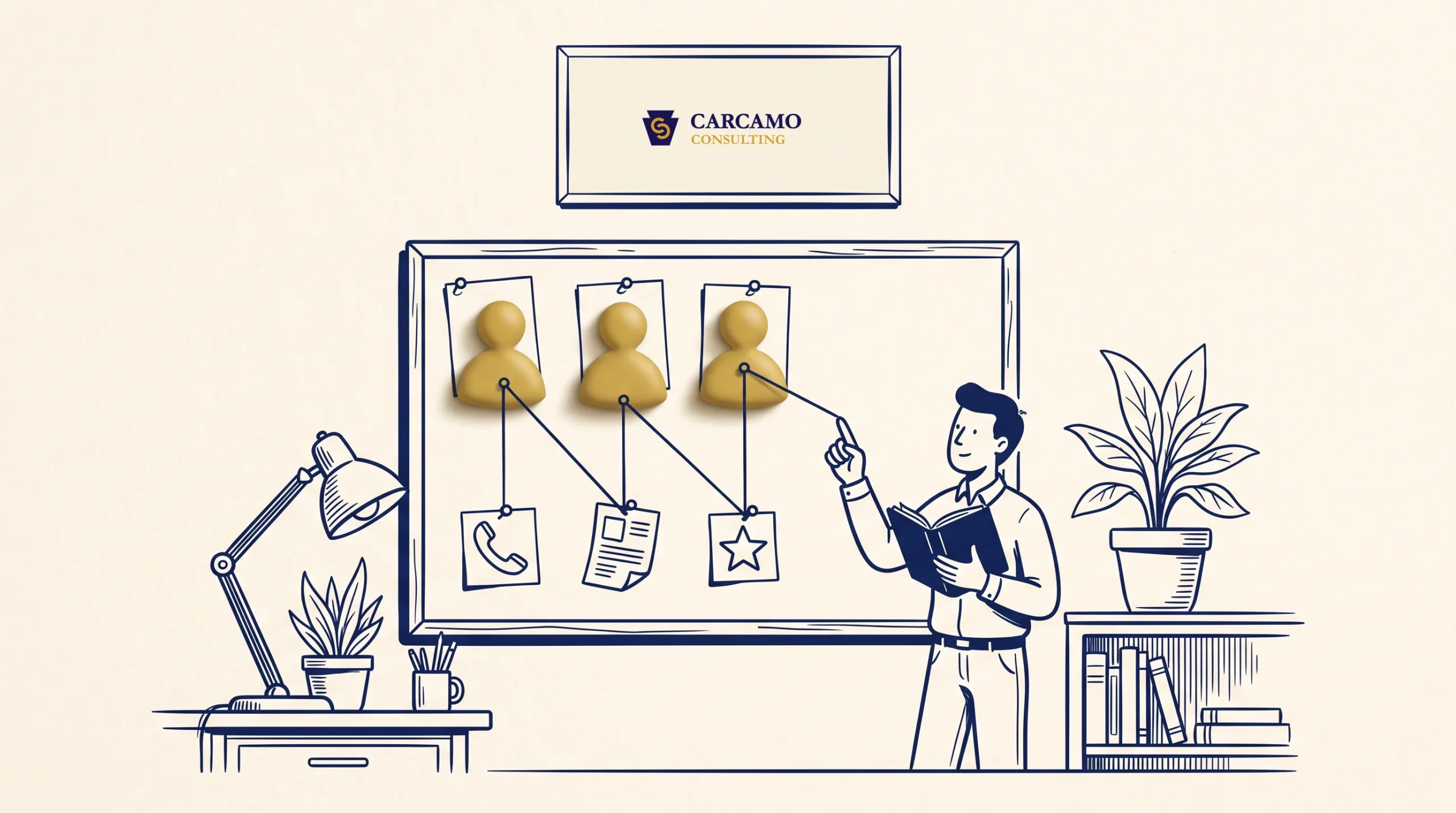
Your first sentence should prove you are a real person who did the homework. Reference something true and specific: a recent post they shared, a new hire, a job they posted, a review they got, a project you saw. This one line does more than the rest of the email combined, because it is the difference between “this was written to me” and “this was written to a list.”
The body
Keep it to a few short sentences. Name the problem you think they have, and show you understand it. Then offer something concrete you can do about it. Write the way you talk, at about an eighth grade reading level, because clear beats clever. If your email needs scrolling, it is too long.
One call to action
Ask for exactly one small thing. Every extra request splits their attention and lowers the odds they do any of it. Instead of asking for a meeting, ask a yes or no question: “Want me to send over a couple of quick ideas?” A tiny ask is easy to say yes to, and a yes is where the real conversation starts.
A simple template you can steal
You do not need fancy software to write a good one. Here is the bones of an email that respects all four rules:
Subject: Quick idea for [their business] Hi [Name], I saw [specific, true detail about them]. Nice work on that. A lot of [their type of business] around here lose customers because [specific problem you actually solve]. I help with exactly that. Want me to send over two or three quick ideas you could use, no strings? Just reply yes and I will put them together. [Your name] [Your business, phone, and address]
Notice what it does not do. It does not pitch a package, list your credentials, or ask for a meeting. It earns the right to a real conversation first.
How many should you send (and how to stay out of spam)
More is not better. Blasting hundreds of emails from your everyday address is the fastest way to land in spam and hurt your normal email too.
A few plain rules keep you safe:
- Do not use your main business inbox for cold outreach. If a cold sending address gets flagged, you do not want it dragging down the email your customers rely on. Many owners set up a separate, similar domain just for outreach.
- Start slow. A brand new sending address should send only 20 to 30 emails a day at first, then build up gradually. Even a warmed up inbox tops out around 100 a day.
- Send in small, targeted batches. Ten to thirty well researched emails will out perform a thousand generic ones, and they keep your sender reputation clean.
- Watch your language. Spam filters react to “free,” “guarantee,” “act now,” lots of links, and big images. Plain text from a real person sails through.
The goal is a reputation as a sender people open and reply to. That reputation, not raw volume, is what keeps you in the inbox.
Is cold email even legal?
For business to business outreach in the United States, yes, cold email is legal under the CAN-SPAM Act. You just have to follow a few basic rules on every message:
- Use accurate “from” and subject information, so you are not pretending to be someone else.
- Include a real physical mailing address for your business.
- Give people a clear way to opt out, and honor those requests promptly.
That is it for the essentials. Note that some places, like the European Union, have stricter consent rules, so if you are emailing overseas, check the local requirements first. For a Pennsylvania business emailing other local businesses, the CAN-SPAM basics above cover you.
Follow up: where most of the replies actually come from
This is the step almost everyone skips. The first email captures a little over half of all the replies a campaign gets. The rest come from following up. Campaigns with at least one follow up reply at about 13 percent, versus 9 percent for a single send.
The rule for follow ups is simple: each one has to add something new. Do not send “just bumping this to the top of your inbox.” Send a relevant example, a quick idea, a short case, or a genuinely useful link. If you have nothing new to say, do not send it.
Space three to five follow ups over two to three weeks, then stop. Persistence is good. Pestering is not, and the difference is whether each message is worth their time.
When cold email is the wrong tool
Cold email is not the only way, and sometimes it is not the best one. If you sell to consumers rather than businesses, if your ideal customer lives on Instagram instead of email, or if you would rather have people come to you, other channels fit better.
Warming a prospect up first often helps. A quick, genuine connection through getting B2B customers on LinkedIn makes your later email land as a familiar name instead of a stranger. And if chasing people one by one is not your style, building a lead magnet that turns visitors into leads flips the script so interested people email you.
Use cold email when you know precisely who your best customer is and you can reach them one at a time. Use it as a scalpel, not a fire hose.
A simple plan to get customers with cold email
If you weigh sending options, start here. Build a small list of businesses you would genuinely love to work with. Research each one for five minutes. Write a short, specific email with one small ask. Send a handful a day from a separate address. Then follow up three to five times, adding value each time.
Do that, and cold email stops being a numbers game you lose and becomes a steady way to start real conversations. If you would like a second set of eyes on your list or your first email, a free question to our team is a good place to start.
Frequently asked questions
Does cold email still work in 2026?
Yes, but targeting is everything. Average response rates hover around 3.4 percent, while small, well researched lists of 50 or fewer average closer to 5.8 percent. A handful of personal emails will out perform a big generic blast.
Why do my cold emails get ignored?
Usually because they read like a template, talk about you instead of the reader, ask for too much too soon, or have a subject line that looks like an ad. Fixing the opening line and the subject line alone lifts most replies.
How many cold emails can I send per day before hitting spam?
From a new sending address, start at 20 to 30 a day and build up slowly. Even a warmed up inbox should stay near 100 a day. Small targeted batches from a separate outreach address keep you out of the spam folder.
Is cold email legal?
For business to business email in the United States, yes, under the CAN-SPAM Act. You must use honest sender and subject lines, include a physical mailing address, and give a working opt out that you honor promptly. Some regions, like the EU, require stricter consent.
What is a good response rate for cold email?
Anything above 5 percent is good, and top campaigns hit 10 percent or more. The overall average is about 3.4 percent, so beating it comes down to a tighter list and real personalization.
How many times should I follow up?
Three to five follow ups over two to three weeks is the sweet spot. Since nearly half of all replies come from follow ups, skipping them leaves most of your results on the table. Just make sure each one adds something new.
Should I use my regular business email for cold outreach?
No. Keep cold outreach on a separate address or domain so a spam flag never touches the email your current customers use to reach you.
Cold email or LinkedIn, which is better?
They work best together. A short LinkedIn connection warms the prospect so your email arrives as a familiar name. If your buyers are active on LinkedIn, start there, then move the real conversation to email.
 Previous