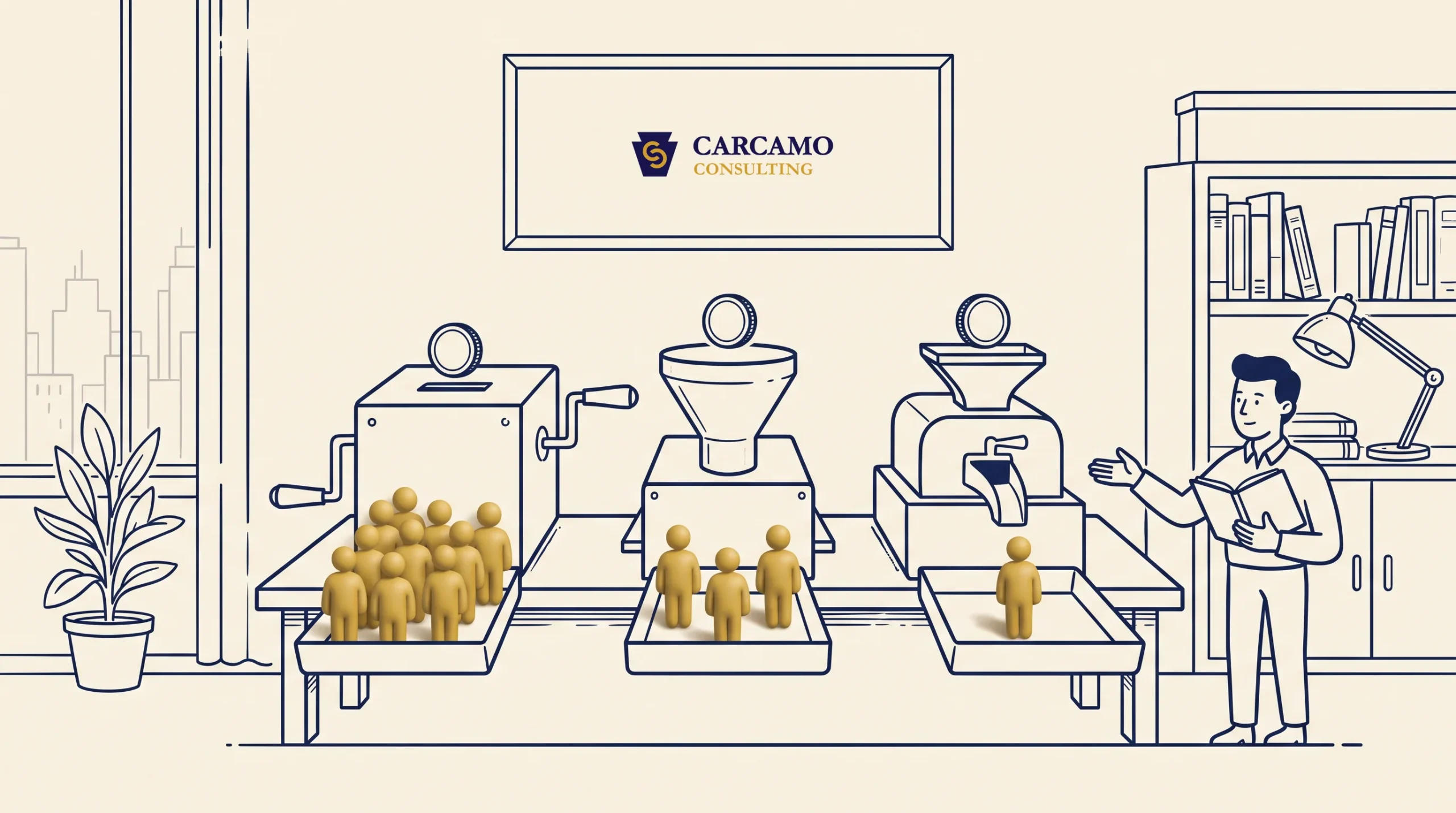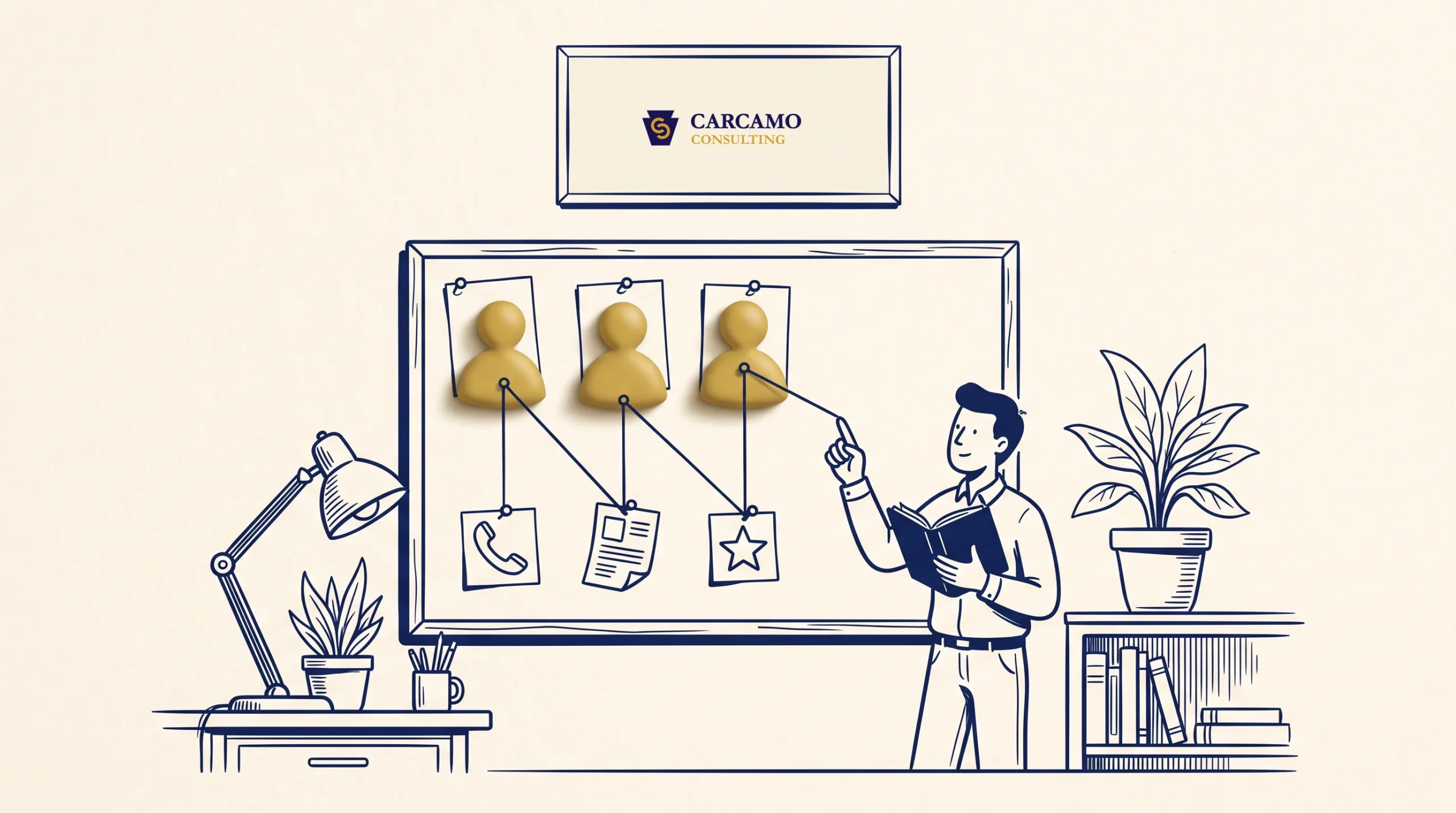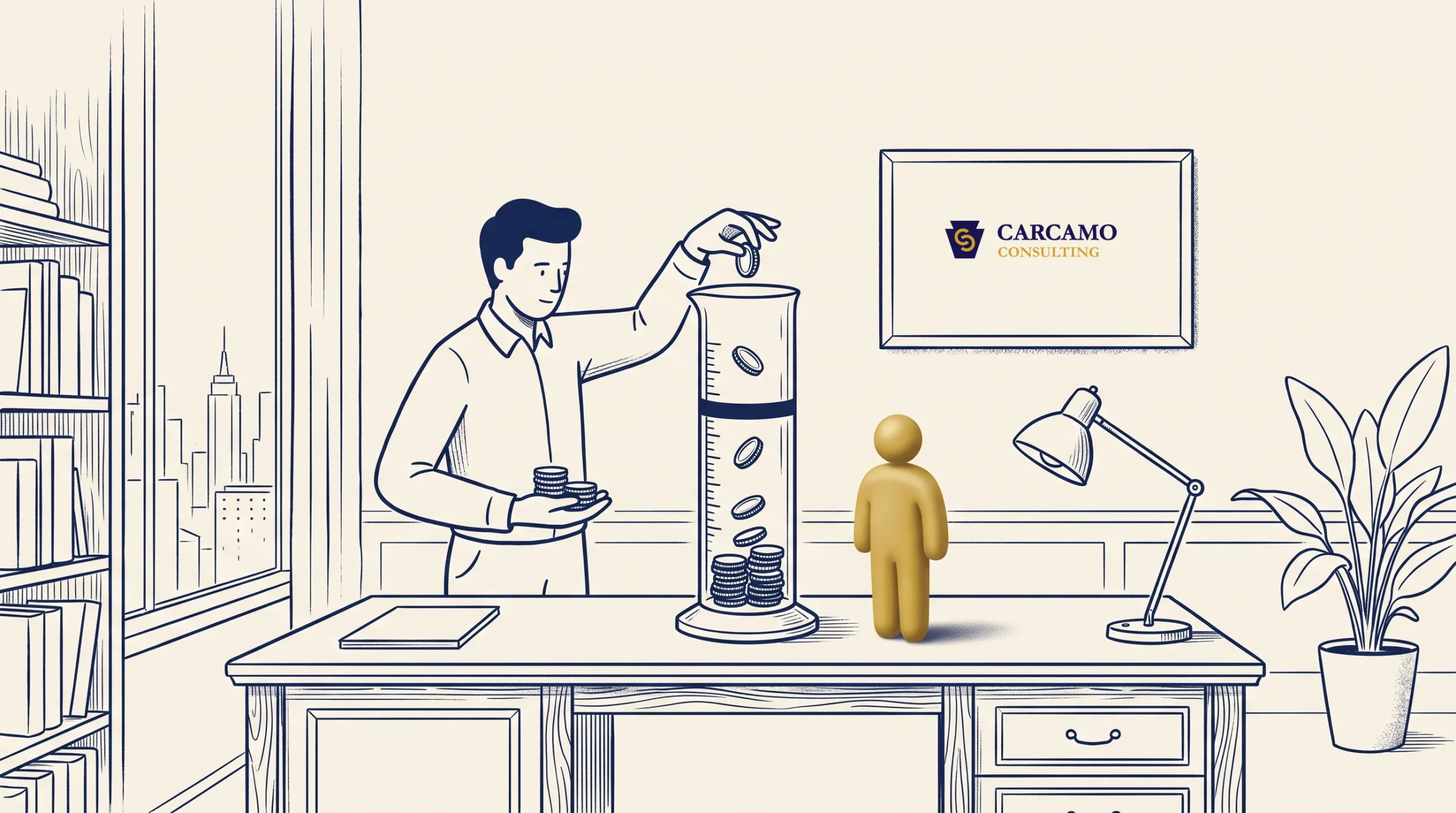
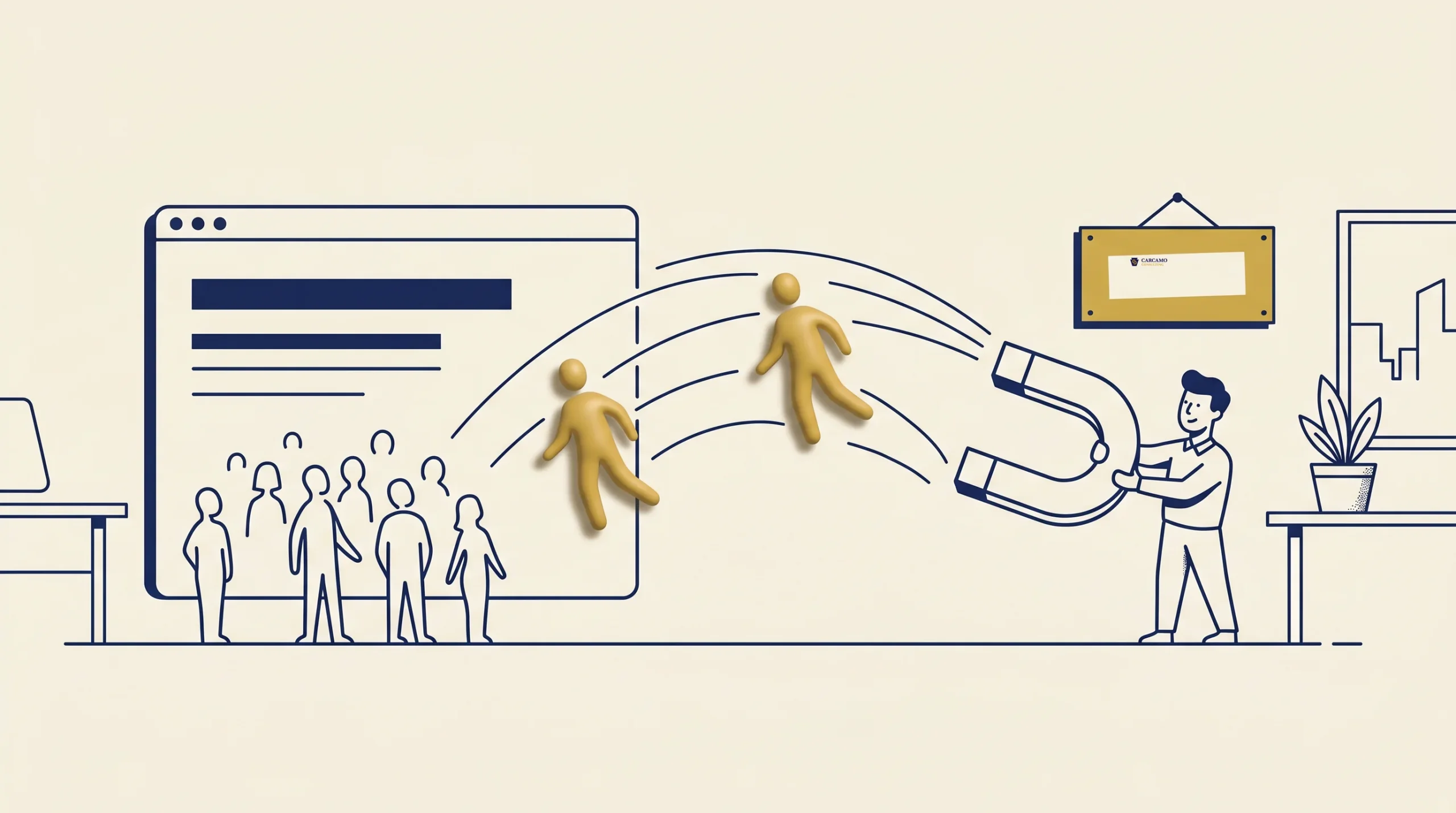
Most people who visit your website leave and never come back. Lead magnets fix that. A lead magnet is a useful free thing you give a visitor in exchange for their email, so a stranger who would have vanished becomes a lead you can follow up with.
The trick is matching the right kind of magnet to your kind of business, because a checklist that works for a consultant is the wrong tool for a restaurant. Get the match right and anonymous traffic becomes a list of real people who raised their hand.
That list is the difference between hoping someone comes back and being able to reach out yourself.
What a lead magnet actually is
A lead magnet is a small, specific piece of value a visitor gets immediately in exchange for their contact info. They give you an email; you give them something worth more than the thirty seconds it took to type it.
Common forms include a checklist, a short guide, a template, a discount code, a free quote, or a free consultation. The format matters less than the promise: it has to solve one real problem fast.
The reason it works is simple. Someone reading your page is interested but not ready to buy. Asking them to “contact us” is a big step. Offering them something helpful for just an email is a small one, and small steps are the ones people actually take.
Why visitors leave without one
Picture your best page. A visitor lands, reads, nods, and closes the tab. You will likely never know they were there, and you have no way to reach them again.
That is the leak a lead magnet plugs. Instead of betting that traffic returns on its own, you capture a way to follow up while their interest is still warm. Driving traffic is the hard part, and most owners work hard on getting found through content and SEO. A lead magnet makes sure that traffic you worked for does not go to waste.
Step 1: Match the lead magnet to your business
This is the step the generic “50 ideas” lists skip, and it is the one that decides whether yours works. The best format depends on what you sell and how people buy it.
Here is a simple map:
| Your business | Best lead magnet | Why it fits |
|---|---|---|
| Service business (cleaning, remodeling, repair) | Free quote or a “what to ask before you hire” checklist | The buyer needs to talk before they commit, and a quote starts that conversation |
| Consultant or coach | Free consultation, a short audit, or a quick guide | You sell expertise, so a taste of that expertise is the magnet |
| Restaurant or local shop | A discount, a freebie on the first visit, or a loyalty signup | The buy is fast and emotional, so a deal turns interest into a visit |
| Online store | A discount code or free shipping offer | The offer is the nudge to check out in the same session |
| Online course or info product | A free lesson, a webinar, or a cheat sheet | A small win builds the trust needed for the bigger purchase |
The pattern: the closer the buyer is to spending money, the more your magnet should look like an offer. A restaurant gives a deal. A consultant gives knowledge. A service business opens a conversation. Pick the one that fits how your customers actually decide, which starts with being clear on who your ideal customer is.
Step 2: Make it specific, fast, and genuinely useful
A vague lead magnet gets ignored. A specific one gets downloads.
“Our newsletter” is not a lead magnet. “The 7-point checklist we use to inspect a roof before we quote it” is. The second one promises a clear, quick win for a real worry, and that is what makes someone hand over an email.
A few rules hold for any business:
- Solve one problem, not ten. A narrow promise beats a broad one. Specific converts.
- Make it fast to consume. A checklist that fits on one page or a short video gets used. A 40-page ebook gets saved and forgotten.
- Deliver real value. It should be good enough that someone would have paid a little for it. Magnets that feel cheap train people to ignore you.
- Title it around the result, not the format. “Get your first 10 customers” beats “Free PDF.”
Short, focused formats do not just feel better. They convert far better, which the numbers below show.
Step 3: How well lead magnets actually convert
Setting expectations keeps you from quitting too early or celebrating too soon. Conversion rates vary a lot by format and by how warm your traffic is, but studies of thousands of forms give useful ballparks.
By format, signup rates tend to land roughly here:
- Giveaways and contests: around 29%
- Webinars and learning resources: around 27%
- Quizzes and interactive tools: around 26%
- Reports and data: around 25%
- Checklists: around 23%
- A plain popup with no strong offer: around 4%
A strong landing page whose whole job is the lead magnet tends to convert in the mid single digits to low double digits, with a median near 7% across a large study of landing pages. Engaged formats like webinars and quizzes can run much higher, but those measure people who already chose to participate, not cold visitors.
One number is worth memorizing because it is the easiest win on this page: the fewer fields you ask for, the more people sign up. A single email field converts at roughly 4.4%, a second field drops it to about 2.9%, and a third field cuts it to roughly 1.9%. Ask only for what you truly need, which is usually just an email and maybe a first name.
Step 4: Put it where visitors actually are
A great lead magnet nobody sees does nothing. Place it where attention already is:
- Inside the pages people read most, offered right where the topic is relevant. A reader of a blog post that teaches something is primed for a checklist on the same subject.
- On a simple dedicated page you can link to from anywhere, including your social profiles.
- As a timed or exit popup, used sparingly so it helps rather than annoys.
- In your menu or footer, so it is always one click away.
Match the offer to the page. A pricing page might offer a cost checklist; a tutorial might offer the template version of what it just taught.
Step 5: Deliver it and follow up automatically
The handoff should be instant. Someone enters their email, the magnet arrives in their inbox seconds later, no manual work from you.
Any basic email tool handles this: the visitor fills a form, the tool sends the magnet automatically, and the email lands on your list. From there, the real value begins. A lead magnet is the start of a relationship, not the end. A short, friendly follow-up sequence over the next week or two keeps you in mind and points toward working together, which matters most for owners building an audience from scratch.
The capture is step one. The follow-up is where leads turn into customers.
A simple way to start
You do not need a fancy funnel. You need one good offer and a way to collect emails.
- Pick one magnet from the table that fits your business.
- Make it specific and quick, one real problem solved in a page or a short video.
- Put it on your busiest page with a simple signup form.
- Set the email tool to deliver it and send one helpful follow-up.
Start with one. A single lead magnet that quietly collects emails every week beats a perfect funnel you never launch.
Frequently asked questions
What is a lead magnet?
A lead magnet is a free, useful resource you offer a website visitor in exchange for their email or contact info. Common examples are checklists, guides, templates, discount codes, free quotes, and free consultations. Its job is to turn an anonymous visitor into a contactable lead.
Do lead magnets still work?
Yes. People are more protective of their inbox than they used to be, so a weak or generic magnet will be ignored. A specific, genuinely useful one that solves a real problem still converts well, because you are trading clear value for an email rather than just asking people to subscribe.
What is a good conversion rate for a lead magnet?
It depends on the format and how warm the traffic is. Short, specific formats like checklists and quizzes often convert in the low to high twenties as a percentage of people who see the offer, while a dedicated landing page commonly lands in the mid single digits to low double digits. A plain popup may convert around 4%. Track your own rate and improve it over time rather than chasing one universal number.
What is the best lead magnet for a service business?
A free quote, a free consultation, or a short “what to ask before you hire” checklist. Service buyers usually need to talk to someone before they commit, so the best magnet opens that conversation instead of just handing over a download. It captures the email and moves the person one real step closer to hiring you.
How many form fields should I ask for?
As few as possible. Every extra field lowers your signup rate. A single email field converts best, around 4.4% in large studies, and each additional field drops it noticeably. Ask for just an email, or an email and a first name, and collect anything else later once a relationship exists.
How do I deliver a lead magnet automatically?
Use any basic email marketing tool. You create a form, connect the file or link, and the tool emails the magnet the moment someone signs up while adding them to your list. There is no manual sending on your end, and the same tool lets you send follow-up emails to turn that new lead into a customer.
 Previous