
You have the skills. What you do not have yet is proof. So when someone hints they might hire you, the temptation is obvious: offer free work to get the client in the door, and worry about money later.
Here is the straight version. Free work can absolutely help you land your first clients, but only when you do it on purpose, in exchange for something specific, with a clear scope and a clear end. Done that way, it buys you a testimonial, a portfolio piece, or a referral you could not get any other way.
Done blindly, just handing out free work and hoping it leads somewhere, it usually trains people to expect free, fills your week with no income, and quietly stalls the business you are trying to start.
The question is not really “free or not free.” It is “what am I getting in return, and how do I make sure I actually get it.” Let’s walk through when free work pays off, when it backfires, and the smarter ways to use it.
When offering free work to get clients actually pays off
Free work earns its keep when it solves the one problem money cannot solve at the start: nobody has seen you deliver yet. A new business has no reviews, no case studies, no track record. A short, strategic piece of free work can manufacture all three faster than waiting around for a paying stranger to take a chance on you.
It tends to be worth it in a few specific situations:
- You have zero portfolio. One or two strong, real examples turn “trust me” into “look what I did.” That is the difference between a cold pitch and a warm one.
- You want a testimonial from someone respected. A glowing quote from a known local business or a recognizable name does more for you than ten quiet paying jobs nobody can vouch for.
- You are testing a new service. Doing it free once lets you find out how long it really takes and where the rough edges are before you put a price on it.
- The client can open real doors. Sometimes the payoff is the introduction, not the invoice. A free job for someone who knows fifty other business owners can be the best marketing you ever do.
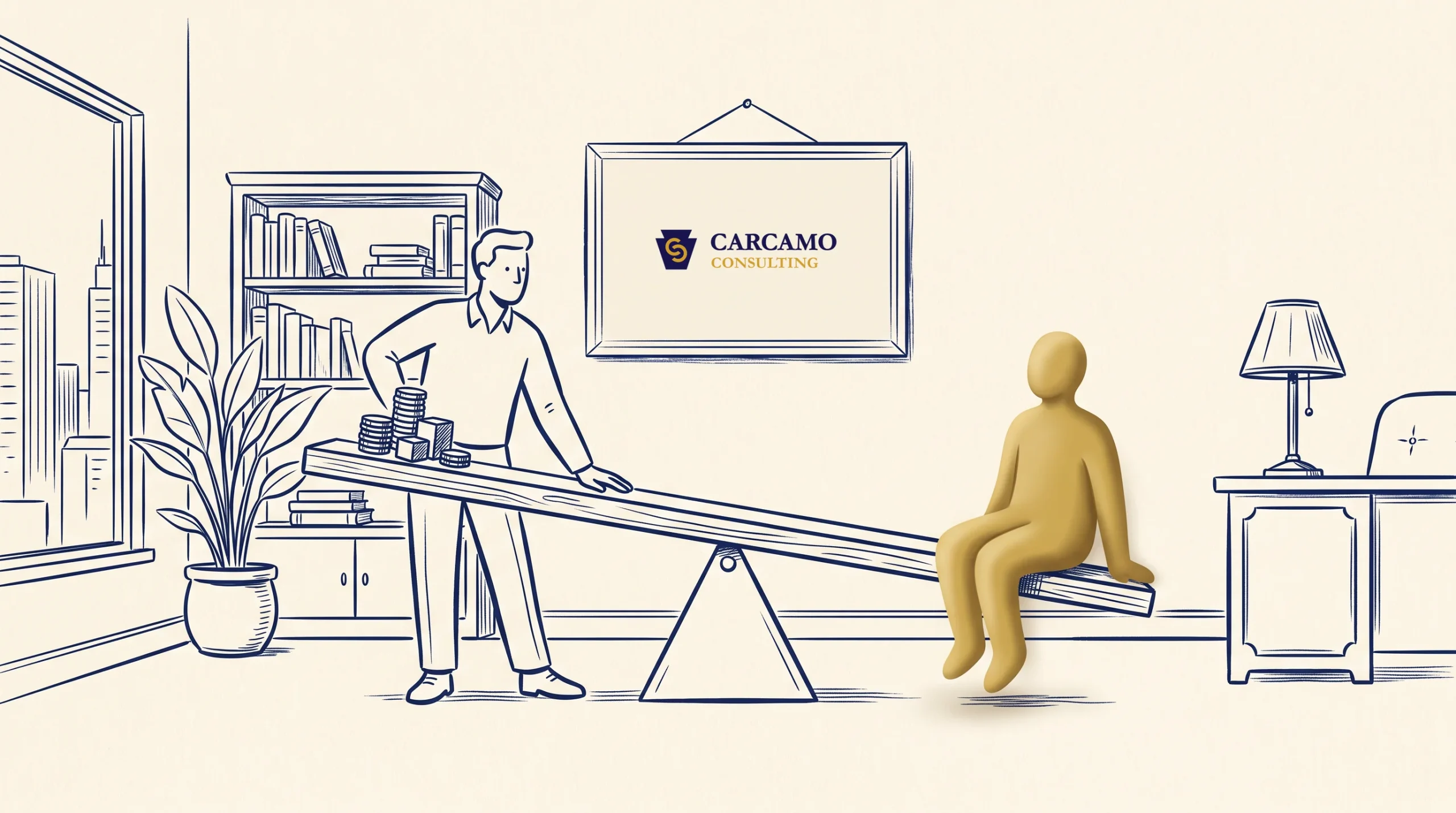
The common thread is that you are trading free work for an asset, not for “exposure.” Exposure does not pay rent and rarely shows up. A testimonial, a case study, or a referral is something you can hold, show, and reuse for years.
When free work backfires
Free work goes wrong the moment it stops being a deliberate trade and becomes a habit. A few patterns show up again and again, and they are worth knowing before you say yes.
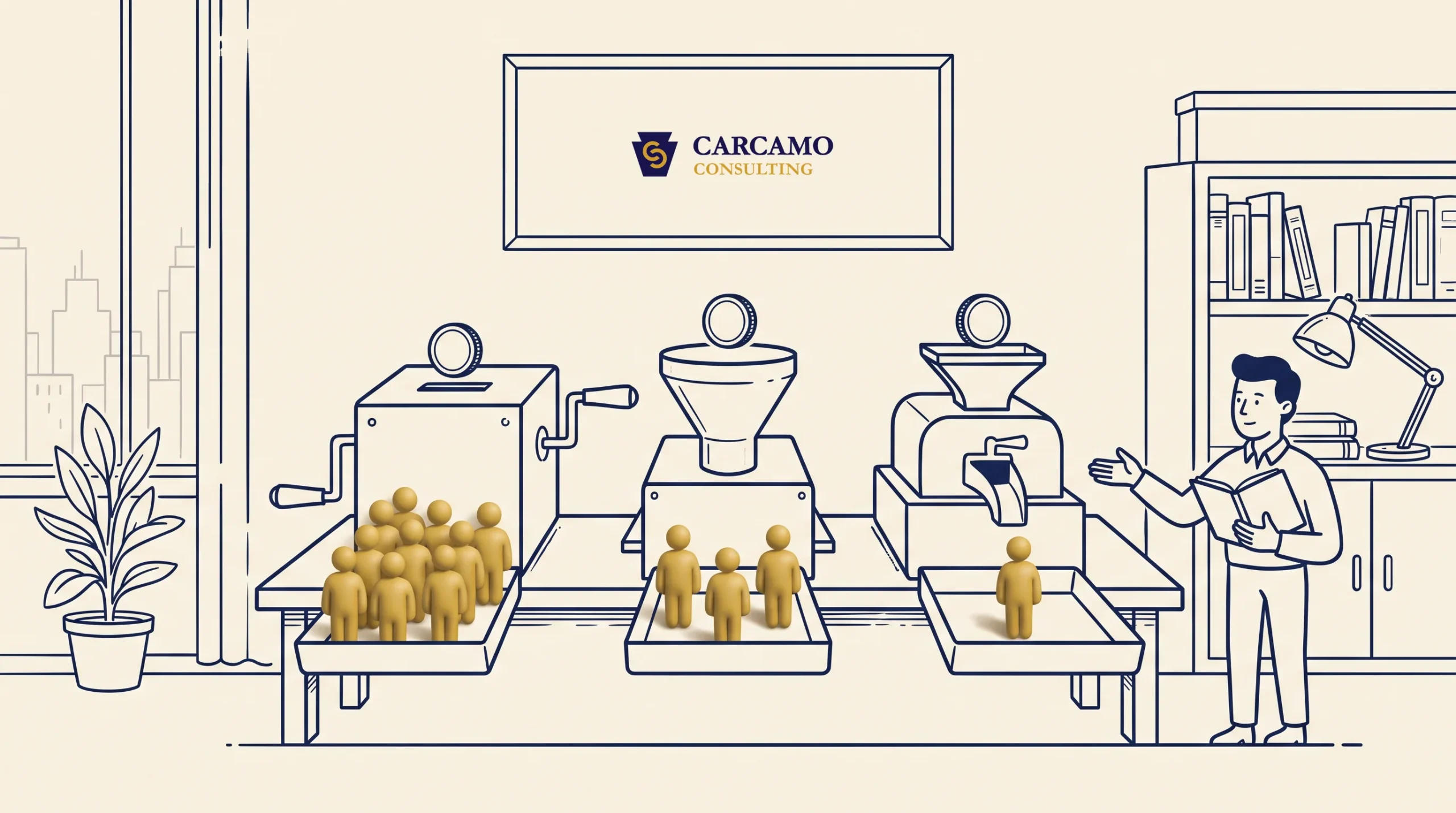
It trains people to expect free. The price you start at becomes the price people remember. If your first interaction is “no charge,” asking for money later feels, to them, like a price increase. Some will balk. A few will quietly move on to the next person giving it away.
It attracts the wrong clients. People who seek out free work are often the hardest to satisfy and the slowest to respect your time. The client who values your work is usually happy to pay something for it. The one hunting for free tends to bring the most demands.
Scope creep eats you alive. Free work has no contract energy behind it, so “just one small tweak” becomes ten. Without a defined finish line, a quick favor turns into an unpaid part-time job you cannot escape without looking like the bad guy.
It can read as desperate, not generous. Constantly offering to work for nothing can signal that you have no other clients, which is exactly the impression you do not want a prospect to have. Confidence sells. Giveaways can undercut it.
You miss paying work while you are busy being free. Every hour spent on an unpaid project is an hour you are not spending on a paid one or on finding one. Early on, your time is the only inventory you have. Spend it carefully.
The smarter version: trade free work for something you can name
If you do free work, never leave it open-ended. Tie it to a specific thing you want back, agree on it out loud before you start, and treat that thing as the real payment.
The trade usually looks like one of these:
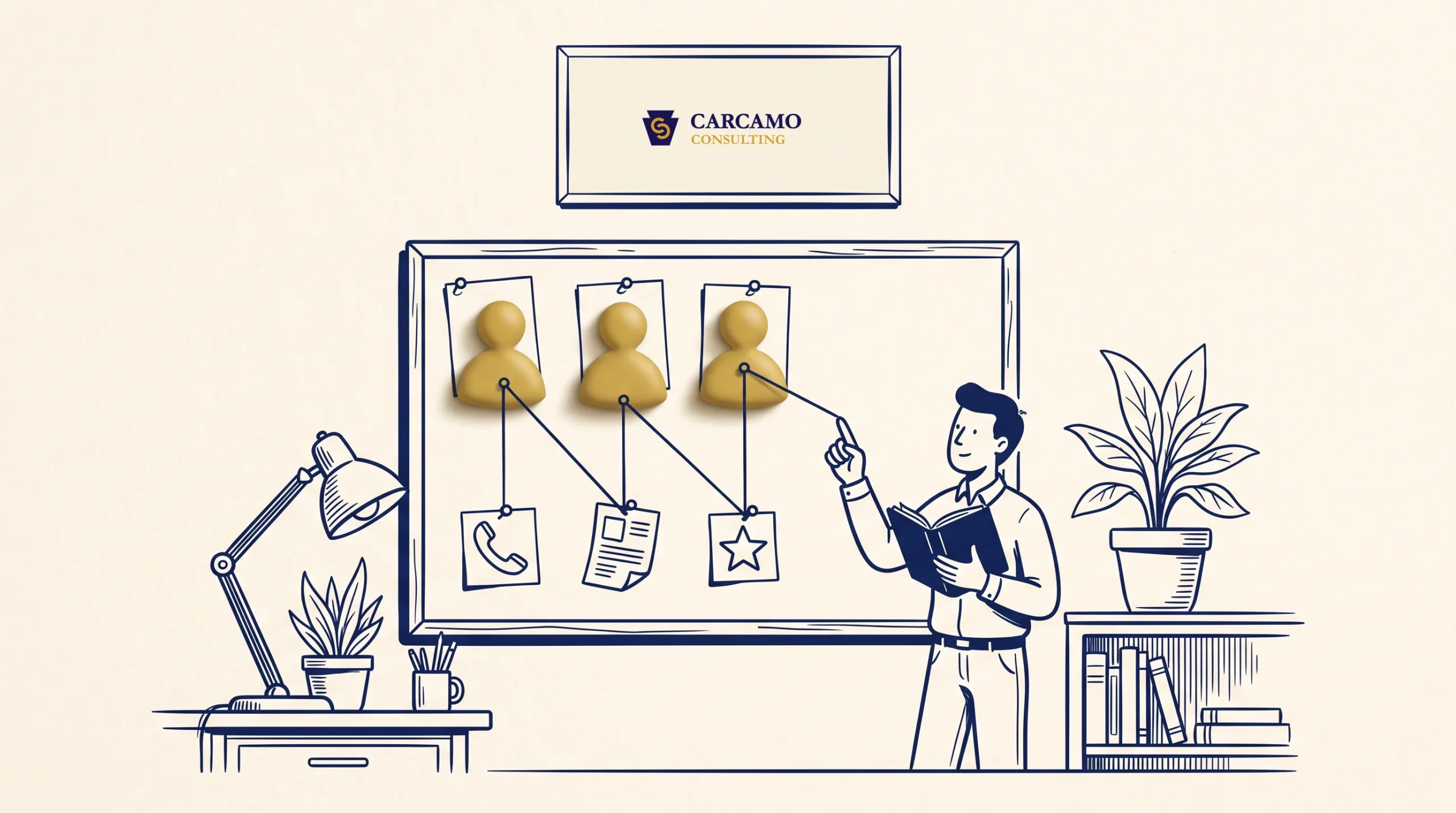
- Free work in exchange for a written testimonial, ideally with the person’s name, business, and photo. Make it easy: hand them a short draft or a few prompt questions so they can approve it in two minutes instead of staring at a blank page.
- Free work in exchange for a documented case study, where you get permission to publish the before, the after, and the result. That single page can sell prospects for you on autopilot.
- Free work in exchange for referrals, where the deal is plainly stated: “I will do this at no charge, and in return I would love two introductions to people who could use the same help.”
Notice what every version has in common. You decide what you want before you start, you say it plainly, and you confirm the other person agrees. “I will do this for free” is a gift. “I will do this for free in exchange for a testimonial I can use on my website” is a transaction, and transactions are what build a business.
If your work is the kind that lives in a portfolio, this is also where freelancers earn the most leverage. A couple of real, results-backed examples are exactly what turn browsers into buyers, which is why building that proof is a core part of getting clients as a brand-new freelancer.
Better alternatives to working for free
Free is not the only way to lower the risk for a first client. Often it is not even the best way. Before you give it all away, consider these.
Charge a clearly labeled introductory rate. A discounted “founding client” price gets you paid something, signals that your work has value, and gives you a natural reason to raise prices later. “My normal rate will be X, and because you are one of my first clients, it is Y” is honest and easy to say.
Run a paid pilot. Offer a small, scoped first project at a real price instead of your full service for free. A paying pilot filters out the freebie hunters and still gives the client a low-stakes way to try you.
Build your own projects. You do not always need a client to build proof. A mock redesign, a sample campaign, a short case study on a business you admire, or your own blog can show your skills without working for anyone for free. You control the quality and you keep the rights.
Use a money-back guarantee instead of free. “Pay me, and if you are not happy you do not owe me” shifts the risk off the client without setting your price at zero. You still get paid the vast majority of the time, and you look confident doing it.
The thread through all of these is the same idea: get the proof and lower the client’s risk without anchoring your value at nothing. If you find yourself reaching for “free” because you are not sure how to explain why you are worth paying for, the fix is usually a sharper value proposition, not a lower price.
How to do free work without getting burned
If you decide a free project is the right move, treat it with the same discipline you would a paid one. The rules are simple and they protect you.
- Put the scope in writing. Even a short email counts. Spell out exactly what you will deliver, what you will not, and when it ends. A defined finish line is your best defense against scope creep.
- Set a deadline. A free project with no end date is a project that never ends. Give it a date and hold it.
- Name your trade up front. Whether it is a testimonial, a case study, or referrals, agree on it before you start. Asking after the work is done is much harder and easier to dodge.
- Treat the client like they are paying. Same professionalism, same communication, same quality. The whole point is to prove you are worth paying for, so deliver like you already are.
- Cap it. Decide how many free projects you will do total, not per client. One or two to seed your portfolio and testimonials is plenty. After that, the answer is a paid rate.
Treating free work like real work is what separates a smart launch move from a trap. Local owners we talk to around Wilkes-Barre and across Pennsylvania who got burned almost always skipped the written scope and the named trade, then watched a “quick favor” swallow their month.
How to move from free to paid
The exit is the part most people forget to plan, and it is the whole point. Free work is a runway, not a destination.
Set the transition before you start. Tell the client this one is on the house and what your rate will be going forward, so the jump to paid is something they already expect rather than a surprise. When the free project wraps, collect your testimonial or case study immediately, while the results and the goodwill are fresh.
Then use that proof to charge the next person. The first paid client is always the hardest, and a single strong example makes the ask far easier, which is exactly the momentum you are after when you are landing your first ten customers. Each piece of proof lets you raise your rate a little and lean on free work a little less, until you are not doing it at all.
If you are weighing whether free work fits your specific situation, that is exactly the kind of question we like to help with. Send it our way and a real person will give you a straight answer.
Frequently asked questions
Should freelancers work for free in the beginning to gain clients?
Sometimes, but sparingly. One or two strategic free projects to build a portfolio and collect testimonials can be worth it when you are starting from nothing. Beyond that, switch to a paid introductory rate. The goal is proof, and once you have a couple of strong examples, free work has done its job.
How long should you work for free?
Cap it by project, not by time. Decide on a small number of free projects, usually one or two, and a clear deadline for each. Open-ended free work with no finish line is the version that hurts you. Once you have your proof, every project after that has a price.
Does working for free attract bad clients?
It often does. People specifically hunting for free work tend to be the most demanding and the least likely to value your time. Clients who respect your work are usually willing to pay something for it. Charging even a small introductory rate filters out most of the headache.
Should I offer a discount instead of working for free?
Usually, yes. A clearly labeled introductory or “founding client” rate gets you paid something, signals that your work has value, and gives you a built-in reason to raise prices later. Free anchors your value at zero, and that number is hard to move.
Will clients take me seriously if I work for free?
They can, if you treat the work like a paid job: written scope, a deadline, professional communication, and real quality. Constantly offering free work with no structure is what reads as desperate. A deliberate, scoped trade for a testimonial reads as confident.
How do I stop working for free and start charging?
Plan the transition before the free project starts. Tell the client what your rate will be going forward, collect your testimonial or case study as soon as the work is done, and use that proof to set a price for the next person. Each new example lets you charge a bit more and rely on free work a bit less.
 Previous