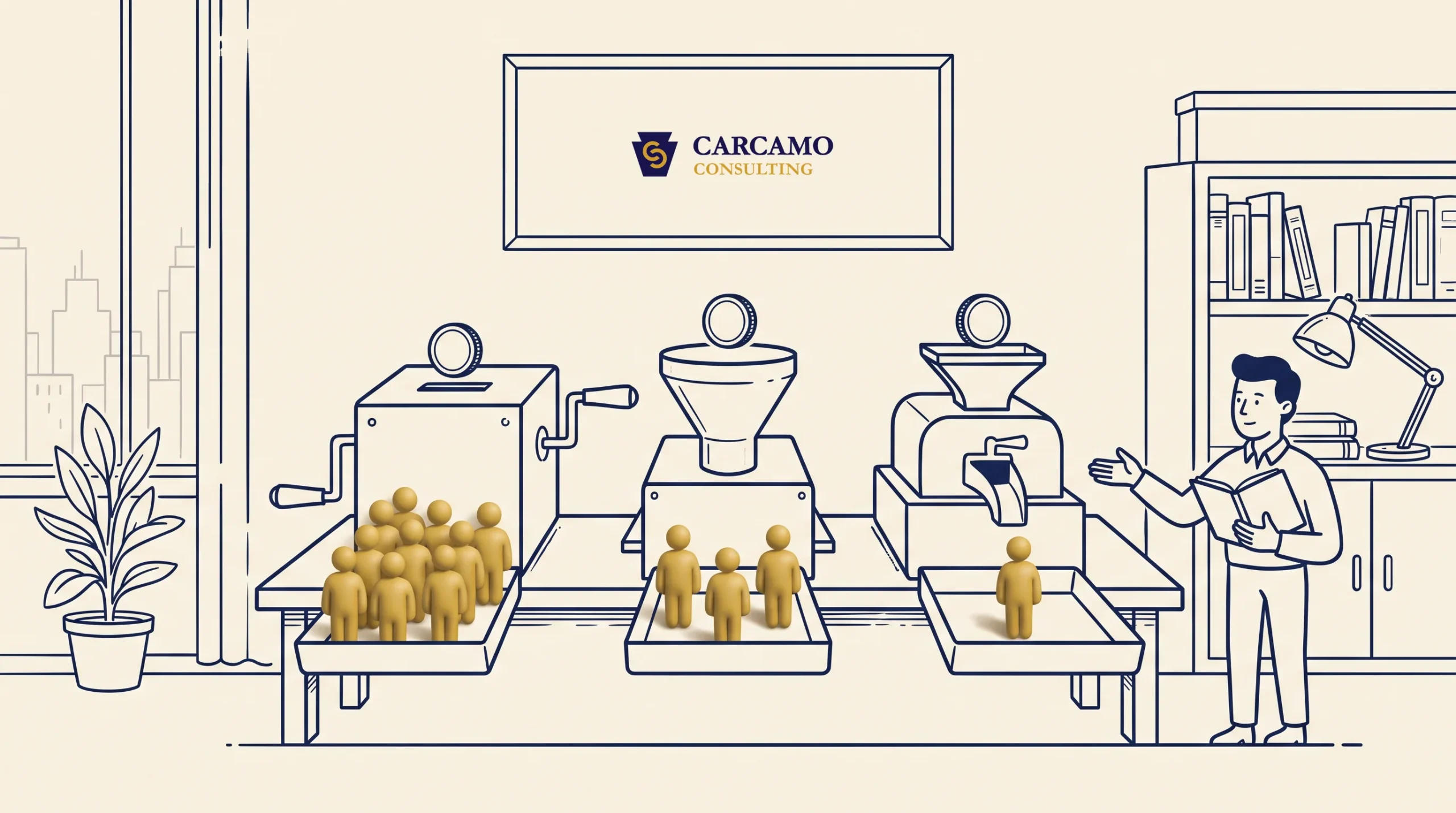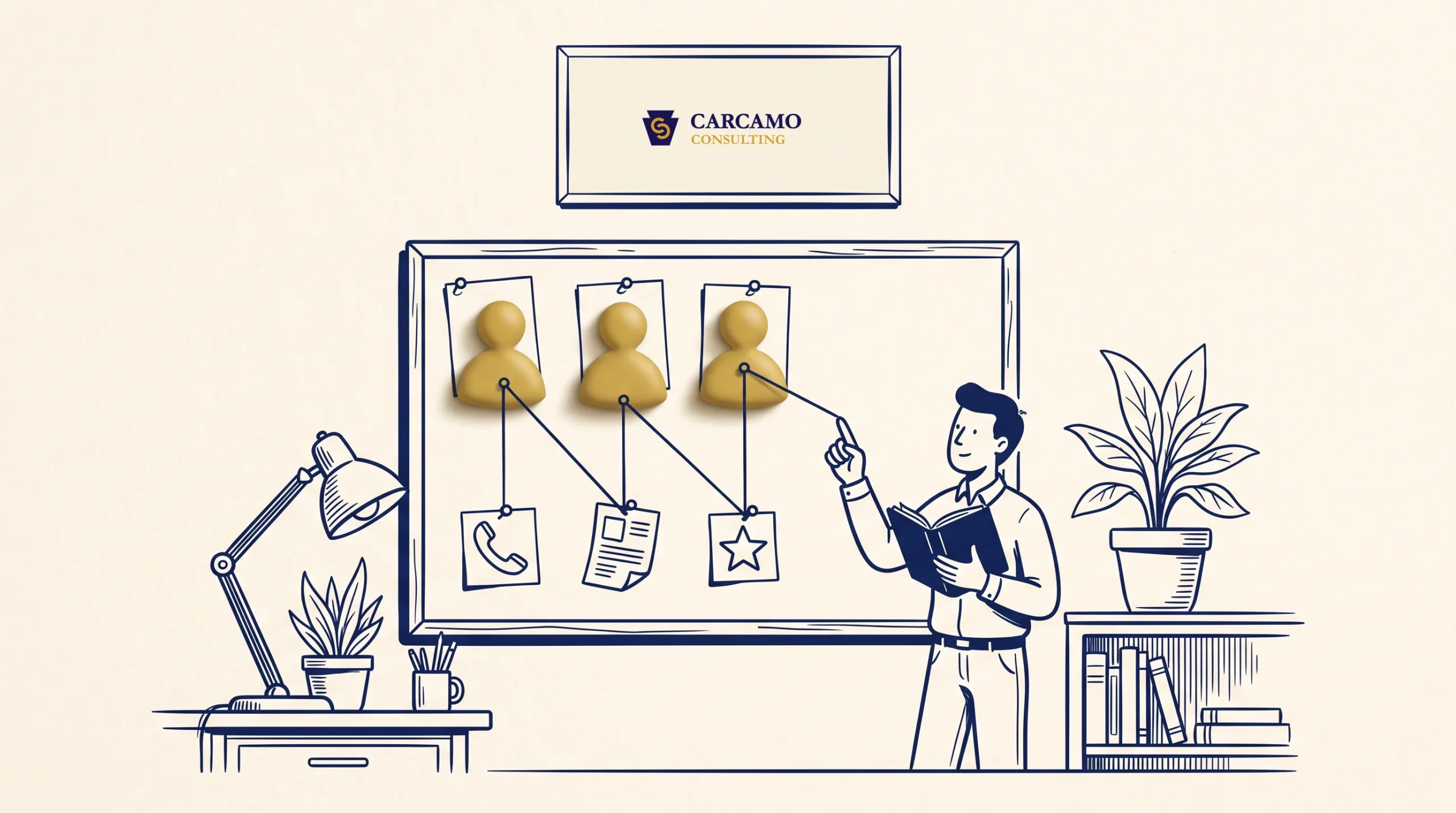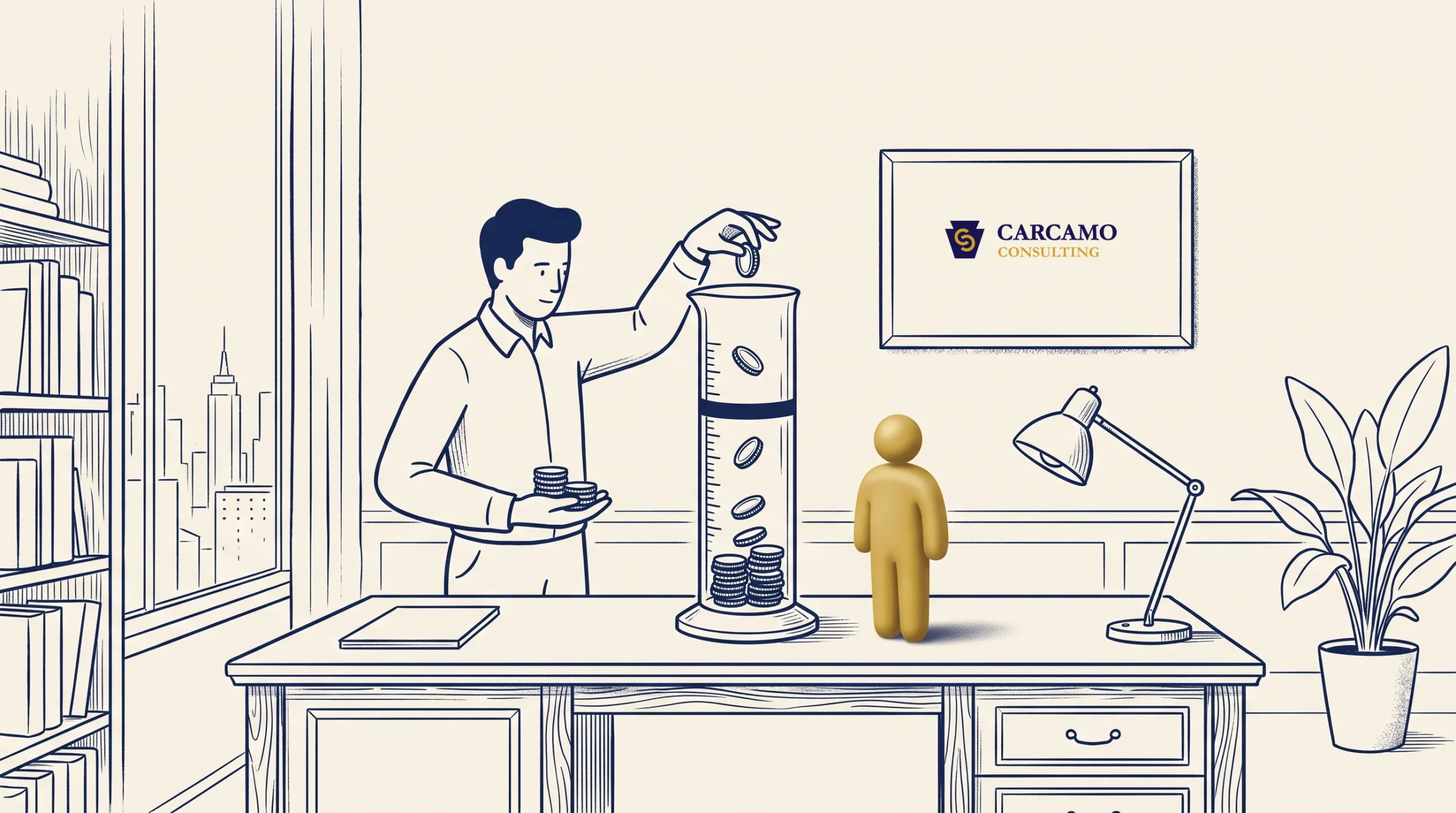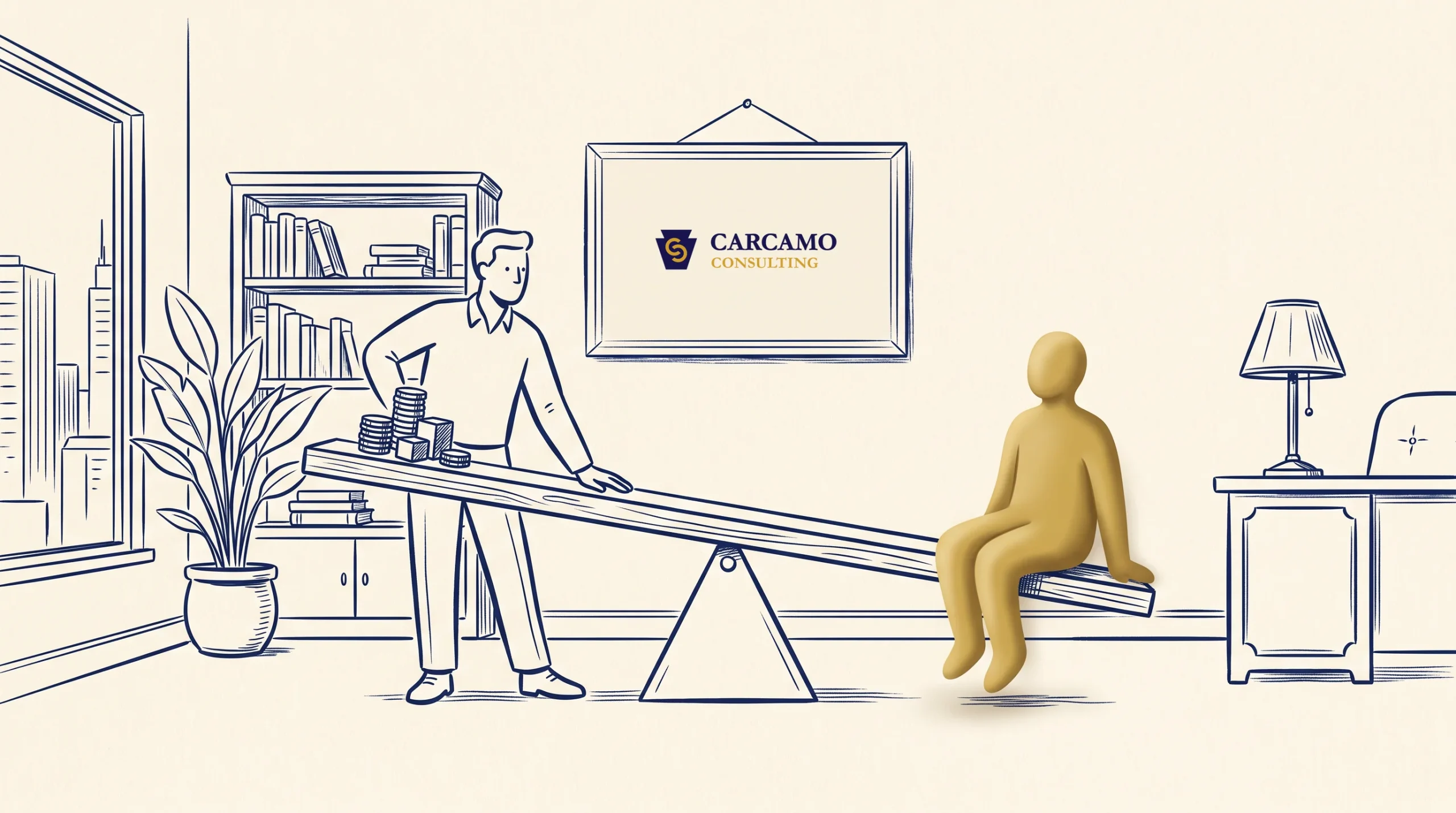

To turn one customer into three through referrals, you do three things well: ask at the moment they are happiest, ask for something specific instead of “do you know anyone,” and make sharing your name effortless. Do that consistently and a single satisfied customer routinely introduces two or three more, because the people they send you are pre-sold by their trust.
This is the cheapest growth a small business has. You already did the hard part by making one customer happy. The referral is just the small, deliberate ask most owners forget to make, or make so weakly that it goes nowhere.
Here is how to make that ask land, and how one good customer compounds into several.
The math: why one customer can become three
A referral is a warm lead wrapped in someone else’s trust. When a friend says “call my guy, he was great,” the recommendation does the convincing for you. That is why referred prospects say yes far more often than cold ones.
The multiplication works in two layers:
- The direct layer. One happy customer rarely knows just one person who needs you. Asked the right way, they can point you to a coworker, a neighbor, and a friend in the same week.
- The compounding layer. Each customer those referrals turn into is also a happy customer you can ask. The third new customer often comes not from your original client, but from the one they referred.
That second layer is where “one into three” stops being a slogan. A referral does not just add a customer; it adds another person you can ask for referrals. Treat every new customer as the start of the next chain, and the growth keeps feeding itself.
For the broader case on why this channel beats most others, our guide on getting customers through referrals and word of mouth lays out the full picture.
Move 1: Ask at the peak
Timing decides whether your ask works. The same request lands or flops depending on when you make it.
The best moment is right after the customer feels the value: the job is done and they love it, they hit a result they were hoping for, or they say “thank you, this was great.” That thank-you is your green light. Gratitude is the exact emotion that makes someone want to help you back.
A few reliable peaks to watch for:
- Right after you finish the work and they are visibly happy
- When they give you unprompted praise, in person, by text, or in a review
- When they rebook, reorder, or come back a second time
- When they tell you a problem you solved is now gone
Most owners wait weeks, then send a limp “by the way, refer me if you can.” By then the feeling has cooled. Ask while the good feeling is hot.
Move 2: Ask for something specific, not “do you know anyone?”
This is the single biggest lever, and almost everyone gets it wrong. “Do you know anyone who needs me?” feels polite, but it is the worst possible question. It asks the customer to search their entire memory with no starting point, and the brain, faced with that, returns nothing. The answer is almost always “I can’t think of anyone right now.”
Specificity unlocks memory. Instead of one vague question, point at categories the customer can actually picture:
- “Do you have a neighbor who has mentioned wanting to do the same project?”
- “Anyone at your work who is dealing with the headache you just got rid of?”
- “Any friends who own a business and complain about the same thing?”
Each prompt makes a real face pop into their head. You are not asking them to brainstorm; you are handing them three easy doors to open. This one change, swapping the generic ask for two or three specific prompts, is what most often turns a single yes into multiple introductions.
If the whole idea of asking makes you wince, you are not alone, and it does not have to feel pushy. Our guide on how to ask for referrals without it feeling awkward walks through the exact wording.
Move 3: Make sharing effortless
Even a willing customer will not jump through hoops for you. Every extra step between “I’d recommend them” and the introduction actually happening is a place the referral dies. Your job is to remove those steps.
Give them something they can pass along in ten seconds:
- A short blurb they can forward. Two or three sentences describing what you do and who you help, written so they can copy, paste, and send by text. Most people want to help but freeze on what to say; hand them the words.
- A simple way to point a friend at you. A card, a link, or a saved contact with your name, your main service, and how to reach you. The fewer taps, the better.
- An offer to do the connecting. “If it is easier, I am happy to reach out to them directly, just tell them to expect a friendly message.” Some customers would rather you take it from there.
The easier you make it, the more often “I’ll keep you in mind” becomes an introduction that actually arrives.
Move 4: Give them a reason
People help more readily when they understand why you are asking. A quick, honest reason turns a transaction into a small favor between people who like each other.
It can be as simple as: “Most of my work comes from referrals from happy customers like you, so it genuinely helps me out.” That does two things at once. It tells them the help matters, and it quietly signals that plenty of other people already recommend you, which is its own social proof.
You are not begging. You are letting a happy customer in on how your business grows and giving them a small, real way to support someone they already trust.
Move 5: Reward without buying
A thank-you for a referral is good manners and good business. Buying referrals outright is a different thing, and it can backfire by making a genuine recommendation feel like a paid pitch.
Keep rewards light and on the right side of that line:
- A handwritten thank-you, a small gift, or a discount on their next visit after a referral turns into a customer
- A modest two-sided perk, where the friend also gets a little something, which makes the introduction feel generous rather than self-serving
- Recognition: simply telling a customer how much their referral meant often motivates the next one more than a coupon
If you want to formalize this into something repeatable, the trade-offs of different rewards are worth thinking through, and a light structure can be turned into a real engine. Our guide on building a customer referral program that actually works covers how to do it without overcomplicating it.
Why referred customers are worth more
Referrals are not just cheaper to win. The customers they bring tend to be better customers, and there is solid research behind that.
A Wharton School study published in the Journal of Marketing tracked nearly 10,000 customers and found that referred customers churned at roughly an 18 percent lower rate and carried at least 16 percent higher lifetime value than customers who arrived another way. The loyalty advantage held up for years rather than fading.
The reason is intuitive. A referred customer arrives already trusting you, with realistic expectations set by a friend, so they are a better fit and stick around longer. Win three of those instead of three cold strangers and you have not just tripled your customers, you have tripled them with the stickier, more profitable kind.
That also feeds the cycle back to retention, because the loyal customers you keep are the ones who refer in the first place. If you want the bigger picture on balancing the two, see repeat customers vs new customers and where to put your energy.
A simple system you can actually run
You do not need software to turn one customer into three. You need a habit. Make this your default every time you finish a job well:
- Notice the peak. The moment they say thanks or show they are happy, that is the cue.
- Make the specific ask. Two or three category prompts, not “do you know anyone.”
- Hand them the words. A forwardable blurb or an easy way to connect you.
- Give the reason. “Most of my business comes from referrals like yours.”
- Close the loop. Thank anyone who refers, and treat each new customer as the start of the next chain.
Run that five-step habit on every happy customer and referrals stop being a lucky accident. They become a steady, compounding source of the best customers you will ever get.
If you want help building this into your specific business, that is exactly the kind of thing we work through with owners. Send us your questions and we will help you put it in place.
Frequently asked questions
When is the best time to ask for a referral?
Ask right after the customer feels the value: the moment the job is done and they are happy, when they give you unprompted praise, or when they thank you. That gratitude is your green light, because the urge to help is strongest right after someone is pleased. Waiting weeks lets the feeling fade and makes the ask much weaker.
Why is “do you know anyone who needs me?” a bad way to ask?
It is too vague. It asks the customer to search their whole memory with no starting point, and the brain responds with a blank, so the answer is almost always no. Specific prompts work far better: ask about a neighbor with the same project, a coworker with the same headache, or a friend who owns a business. Naming categories makes real people come to mind.
How many referrals can one customer realistically give?
More than most owners expect, because few people know only one other person who could use you. Asked with two or three specific prompts at the right moment, a single happy customer can often point you to several. The bigger multiplier is compounding: each referred customer becomes someone new you can also ask, so one customer can start a chain that runs well past three.
Do referral programs actually work for small businesses?
Yes, when they stay simple. You do not need software or complex tiers; you need a repeatable habit of asking happy customers well and making it easy for them to share. A light reward can help, but the asking and the timing do most of the work. Overbuilt programs often fail because they add friction the customer will not push through.
Should I offer a reward for referrals?
A small thank-you is good practice, but avoid buying referrals outright. A handwritten note, a modest discount on their next visit, or a two-sided perk where the friend also benefits all work well and keep the recommendation feeling genuine. Paying too much for referrals can make them feel like paid promotion, which weakens the trust that makes a referral valuable.
Are referred customers really better customers?
Generally yes. A Wharton School study published in the Journal of Marketing found referred customers churned at about an 18 percent lower rate and were worth at least 16 percent more over their lifetime than customers acquired other ways, with the loyalty edge lasting for years. They arrive trusting you and with expectations a friend already set, so they fit better and stay longer.
 Previous