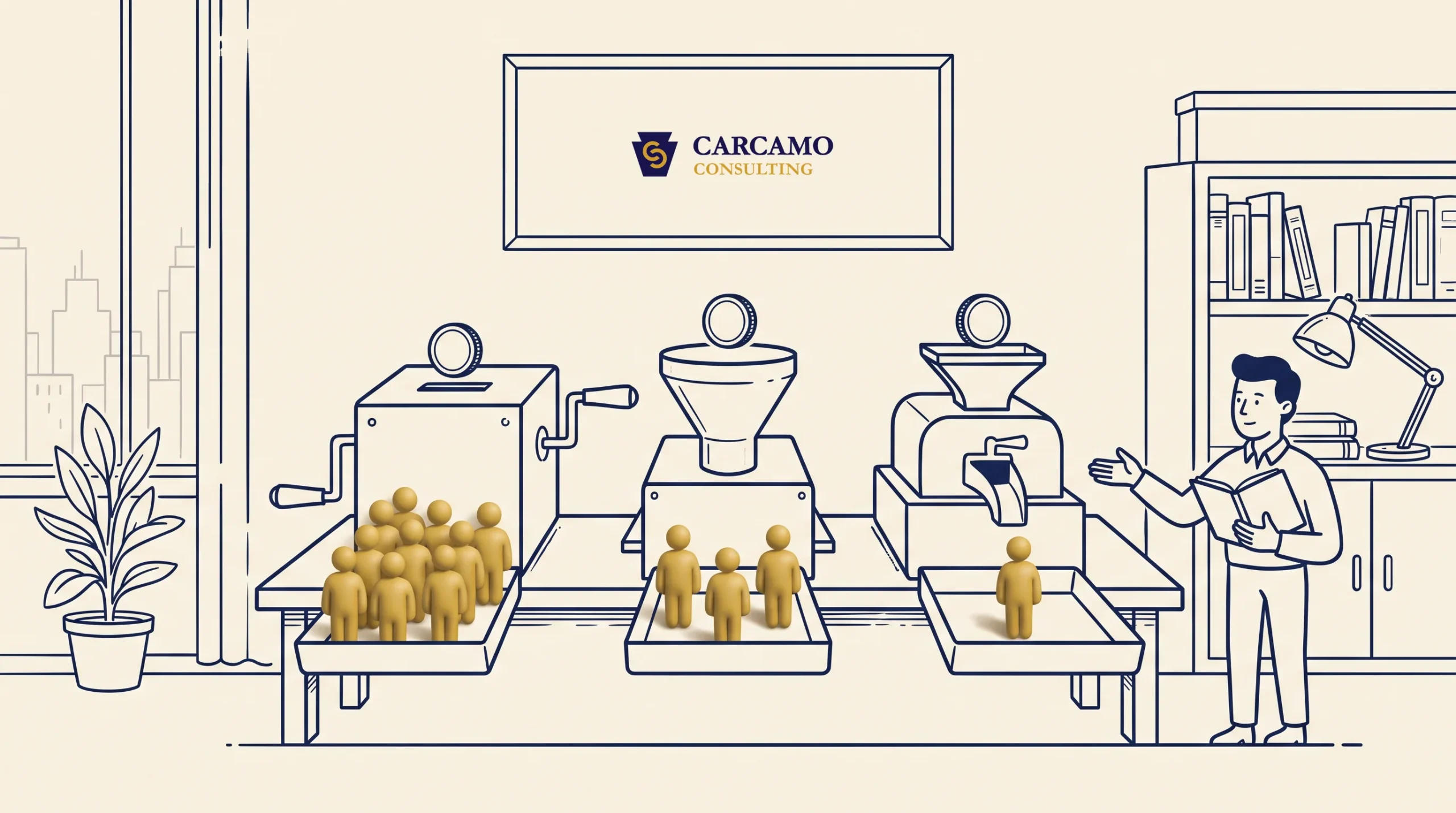

Message for message, warm outreach wins, and it is not close. Reach out to someone who already knows your name and published benchmarks put reply rates between 10 and 30 percent. Send the same message to a stranger and the typical reply rate drops to 1 to 5 percent.
That is the warm vs cold outreach gap in plain numbers, and it carries through the whole funnel: warm contacts agree to meetings at several times the rate of cold ones, and the deals they start close in roughly half the time.
So why does anyone still send cold messages? Because that comparison hides a catch that changes the answer for most small businesses. There is also a way to get warm results from a cold list, and we will get to both below.
What Counts as Warm Outreach (and What Counts as Cold)
Cold outreach is contacting someone who has never heard of you. No referral, no prior conversation, no visit to your website. A cold email, a cold call, a LinkedIn message to a stranger: same category.
Warm outreach is contacting someone who already knows you exist. That familiarity can come from a lot of places:
- A past customer or someone you used to work with
- A referral or introduction from a mutual contact
- Someone who follows you, liked a post, or joined your email list
- A person you met at an event or through a local business group
- Someone who visited your website or asked a question and never bought
There is a gray zone in the middle. If someone commented on your post once but you have never spoken, the message you send is not exactly cold, but it is not warm either. That gray zone matters more than most people realize, because moving a contact from cold into gray is something you can do on purpose. That is the skill this article ends with.
Warm vs Cold Outreach: The Numbers That Matter
Here is how the two approaches compare across the benchmarks that published studies keep landing on:
| What you measure | Warm outreach | Cold outreach |
|---|---|---|
| Reply rate | Roughly 10 to 30 percent | Roughly 1 to 5 percent |
| Meetings booked | Several times higher per reply | Often 5 or more touches per response |
| Sales cycle | About half as long | Months longer on average |
| Trust at first contact | Borrowed from the relationship | Starts at zero |
| How many people you can reach | Limited by your network | Effectively unlimited |
| Cost per message | High in time and effort | Low, especially at volume |
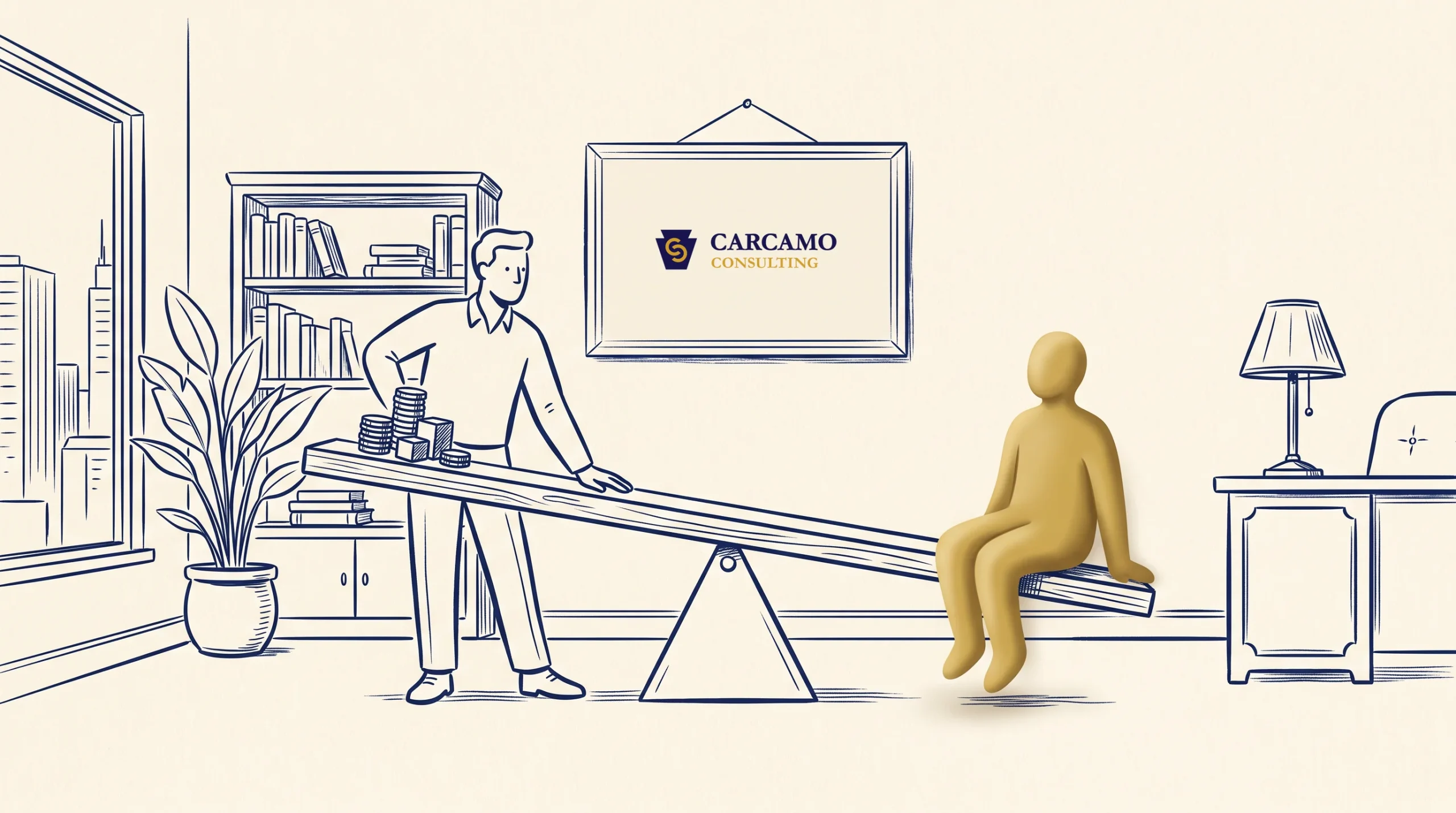
Now the catch: rates are not customers. A 30 percent reply rate sounds unbeatable until you remember it applies to a small pool.
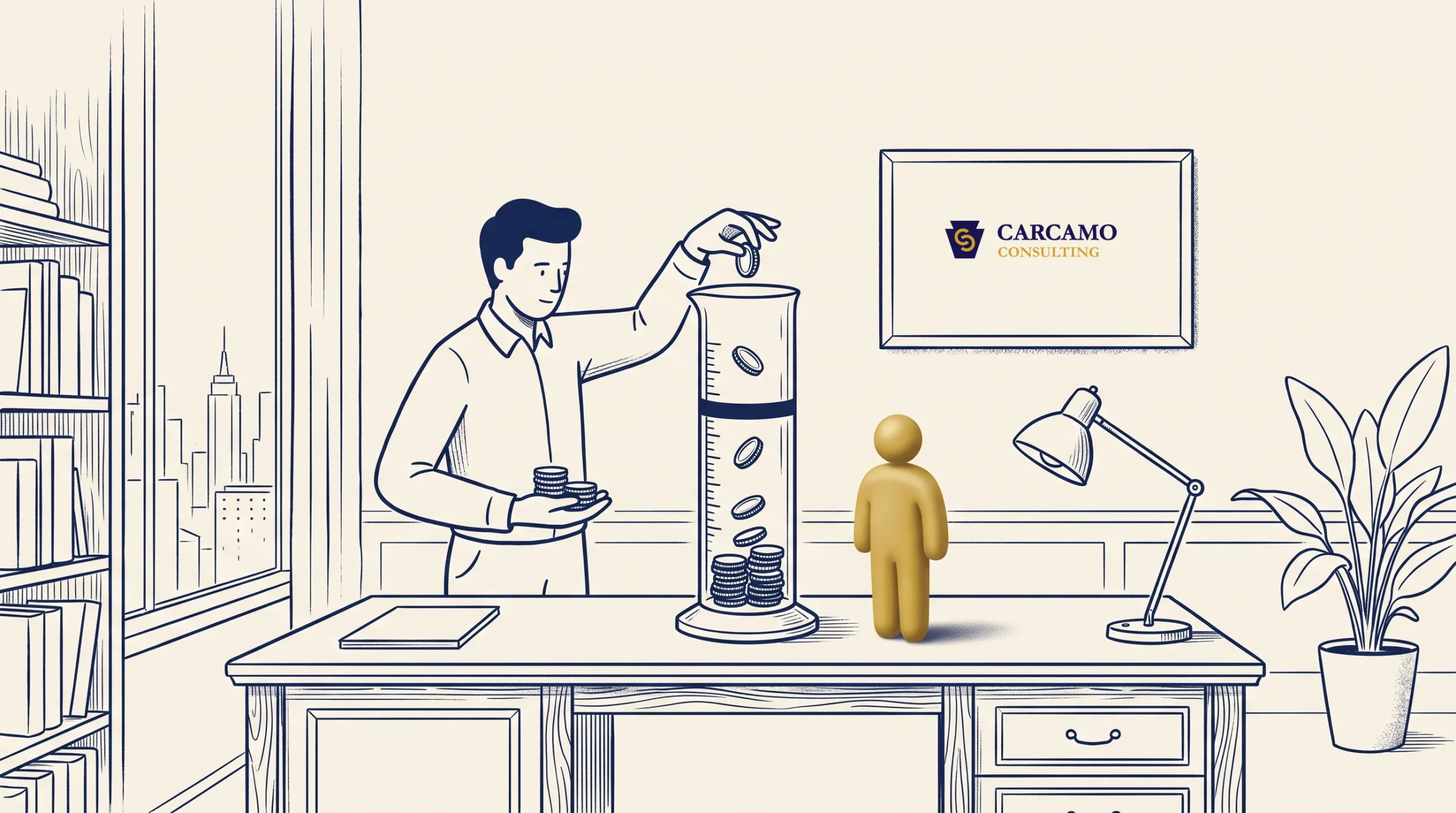
If you have 20 genuinely warm contacts, that is six conversations. A 3 percent reply rate on 1,000 cold emails is thirty. The warm number is better per message. The cold number can still win on totals, because you never run out of strangers.
That is the honest shape of the comparison: warm outreach gets more customers per message, cold outreach gets more messages. Which one gets more customers for you depends on how big your warm pool is and how much volume you can sustain. The decision framework further down sorts that out by situation.
Why Warm Messages Get So Many More Replies
The gap is not about better writing. It is about what happens in the first second after your message lands.
When a stranger sees your name, their guard goes up. Researchers describe it as a built in filter for commercial intent: people scan an unfamiliar message, decide it is a pitch, and delete it before reading past the first line. Your message has to survive that filter before anyone weighs its merits.
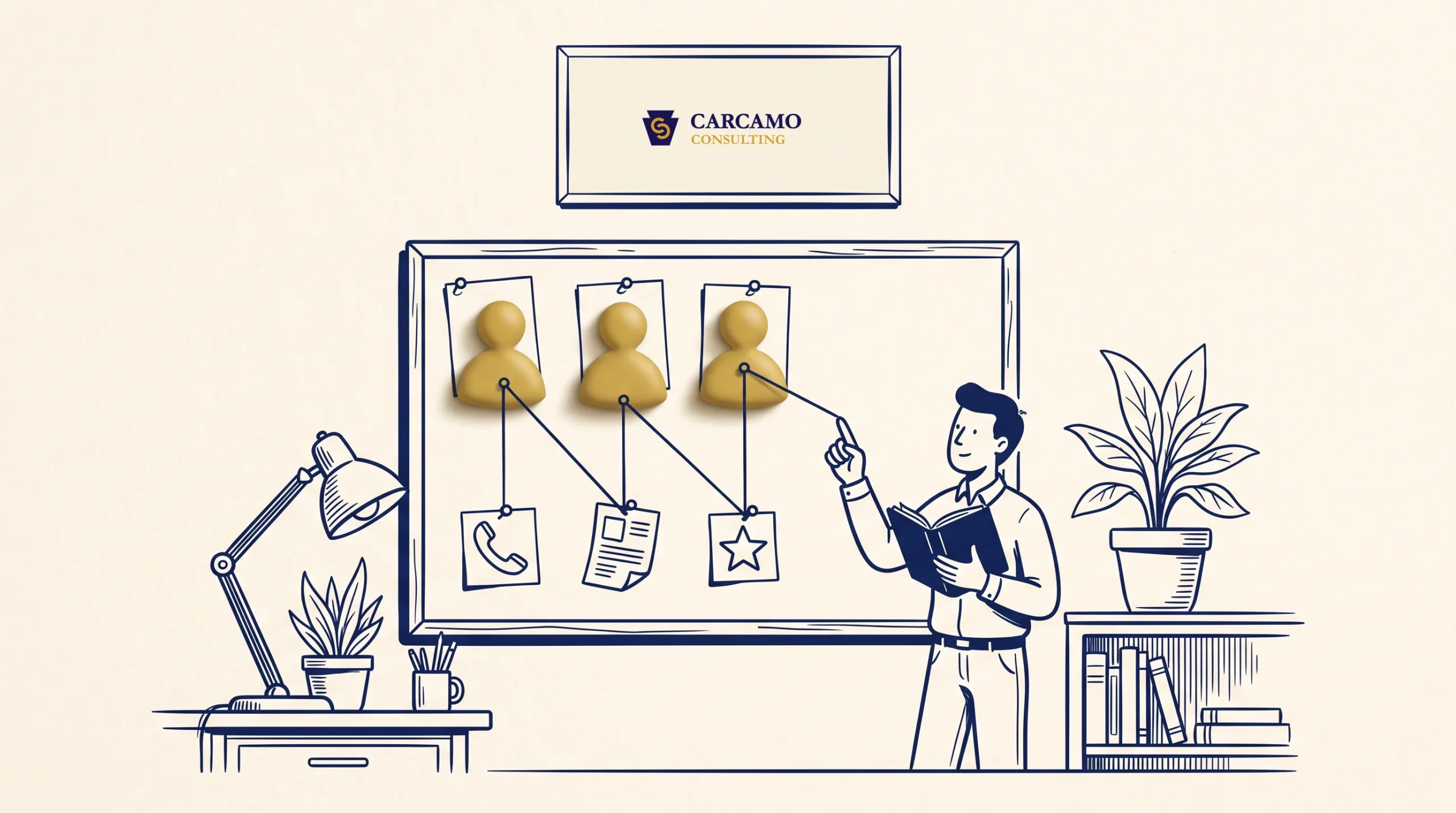
A warm message skips the filter. When the recipient recognizes your name, or the name of the person who introduced you, the trust someone else earned transfers to you. Psychologists call it trust transfer, and it is why a one sentence introduction from a mutual contact routinely outperforms the best cold email ever written.
We see this with our own companies. Alongside the consulting work, we run a commercial janitorial business, and the contracts that close fastest are the ones where the facility manager heard our name from another building owner before our message ever arrived. The message was the same. The reception was not.
Where Cold Outreach Still Earns Its Place
If warm outreach converts so much better, cold outreach should be dead. It is not, for three reasons.
- Your network runs out. Warm outreach is capped by the number of people who know you. For a new business, that cap arrives fast. Cold outreach is the only channel with an unlimited supply of prospects.
- New markets start cold. If you are entering a new town, a new industry, or a new customer type, nobody there knows you yet. Cold contact is how you get your first conversations and learn how that market talks about its problems.
- It works at the bottom of the funnel, too. Industry surveys report that a large majority of B2B buyers will take a meeting that starts cold when the message lands at the right moment with the right relevance. People do buy from strangers. They just do it at lower rates.
Cold outreach fails when it is lazy, not when it is cold. Small, researched batches of under a few hundred contacts routinely pull two to three times the reply rate of giant blasted lists. If email is your cold channel of choice, we broke down the full playbook in how to get customers with cold email.
One more number worth knowing before you commit: one large survey of startup founders found it took roughly 300 cold emails to produce a single qualified lead, and that most prospects needed around five touches before responding. Cold works, but that is the price of admission. Budget your time accordingly.
How to Manufacture Warmth Before You Reach Out
The most useful fact in this whole comparison is that warmth is not a fixed trait. A cold contact can be warmed up before you ever send the first real message, and it takes two to four weeks, not months. Practitioners who do this deliberately aim for a 14 to 28 day window: long enough to become familiar, short enough that the momentum stays fresh.
Work down this list in order:
- Start with the network you already have. Before you touch a stranger, list past customers, former coworkers, suppliers, and friends who know what you do. Most owners skip this step because it feels too obvious. It is also the highest reply rate list you will ever contact. We wrote a full guide on using your personal network to land clients without feeling like a pest.
- Ask for the bridge, not the sale. One sentence from a mutual contact (“You two should talk, she does exactly what you need”) converts better than any pitch you could write. Ask happy customers and friendly peers who else they know with the problem you solve.
- Show up before you reach out. Follow the prospect, comment something genuinely useful on their posts, answer a question they asked publicly. Two or three real interactions over a few weeks move you from stranger to familiar name. When your message arrives, the filter stays down.
- Lead with something useful. A short piece of advice, a relevant article, a heads up about something in their market. Give first and the reply becomes a thank you instead of a brush off.
- Reach out on a signal. A new location, a hiring post, a fresh review, an award. When your message responds to something that just happened, it reads as attention, not automation.
None of this requires software or a budget. It requires two to four weeks of light, consistent attention before the ask. And once a warmed contact replies, the conversation itself has rules of its own: we covered those in how to turn a conversation into a customer.
Which One Gets You More Customers? A Decision Framework
Your situation picks the mix. Find yourself below:
- Brand new business, first customers. Warm only. Work your personal network and referrals until they are genuinely exhausted. It is the fastest path to revenue, and the feedback is honest because the audience already trusts you.
- Local service business in a defined area. Warm first, always. Your market is small enough that reputation compounds: referrals, business groups, and repeat customers will outproduce any cold list. Use cold contact only to break into commercial accounts that referrals have not reached.
- B2B with a big addressable market. Run both. Cold outreach fills the top of the pipeline with volume, and a two week warming layer on your best prospects lifts the reply rate on the accounts that matter most.
- You already have an audience. Your followers, email list, and past inquiries are a warm pool most owners ignore. Message the people who already engaged before you buy a list of people who have not.
If you run the hybrid, keep one rule: warmth decides the order, not the list. Contact the warmest names first, warm up the most valuable cold ones, and send truly cold messages only to whoever is left.
Every tier gets the same care in the writing itself; a warmed up prospect still deletes a lazy message. The first line you send matters more than anything else you write, and we broke down exactly how to write it in a first outreach message that gets a reply.
If you are weighing where next month’s outreach effort should go, tell us what you sell and who buys it. It is free to ask, and a real person from our team in Pennsylvania will answer with a plan.
FAQ
Does cold outreach still work in 2026?
Yes, at lower rates than it used to and only when it is targeted. Typical cold reply rates sit between 1 and 5 percent, and small researched lists do two to three times better than mass blasts. Cold outreach remains the only channel where the supply of prospects never runs out, which is why B2B teams still build pipelines on it.
What is the difference between warm and cold outreach?
Cold outreach contacts people who have never heard of you. Warm outreach contacts people who already know you through a referral, a past interaction, your content, or your network. The difference is trust at the moment your message arrives, which is why warm reply rates run several times higher.
How do you warm up a cold lead before reaching out?
Engage with their posts, get introduced by a mutual contact, share something useful with no ask attached, or time your message to a visible event like a new location or a hiring push. Two to four weeks of light contact is usually enough to make your name familiar before the first real message.
How many follow ups should you send before giving up?
Three to five follow ups spread over a few weeks is the widely used range. Most replies come after the first message, and a single polite follow up can lift response rates by half or more. Stop when the sequence ends; past that point you are training the prospect to ignore you.
Is warm outreach always better than cold outreach?
Per message, yes. Per month, not always. Warm outreach is limited by the size of your network, so a small warm pool can produce fewer total customers than a large, well run cold campaign. The strongest results come from doing both: warm contacts first, warmed up cold prospects second, pure cold volume last.
How long does it take to warm up a cold lead?
Around 14 to 28 days of light, visible engagement. Shorter than that and you are still a stranger; much longer and the effort stops paying back. The goal is name recognition, not friendship.
 Previous