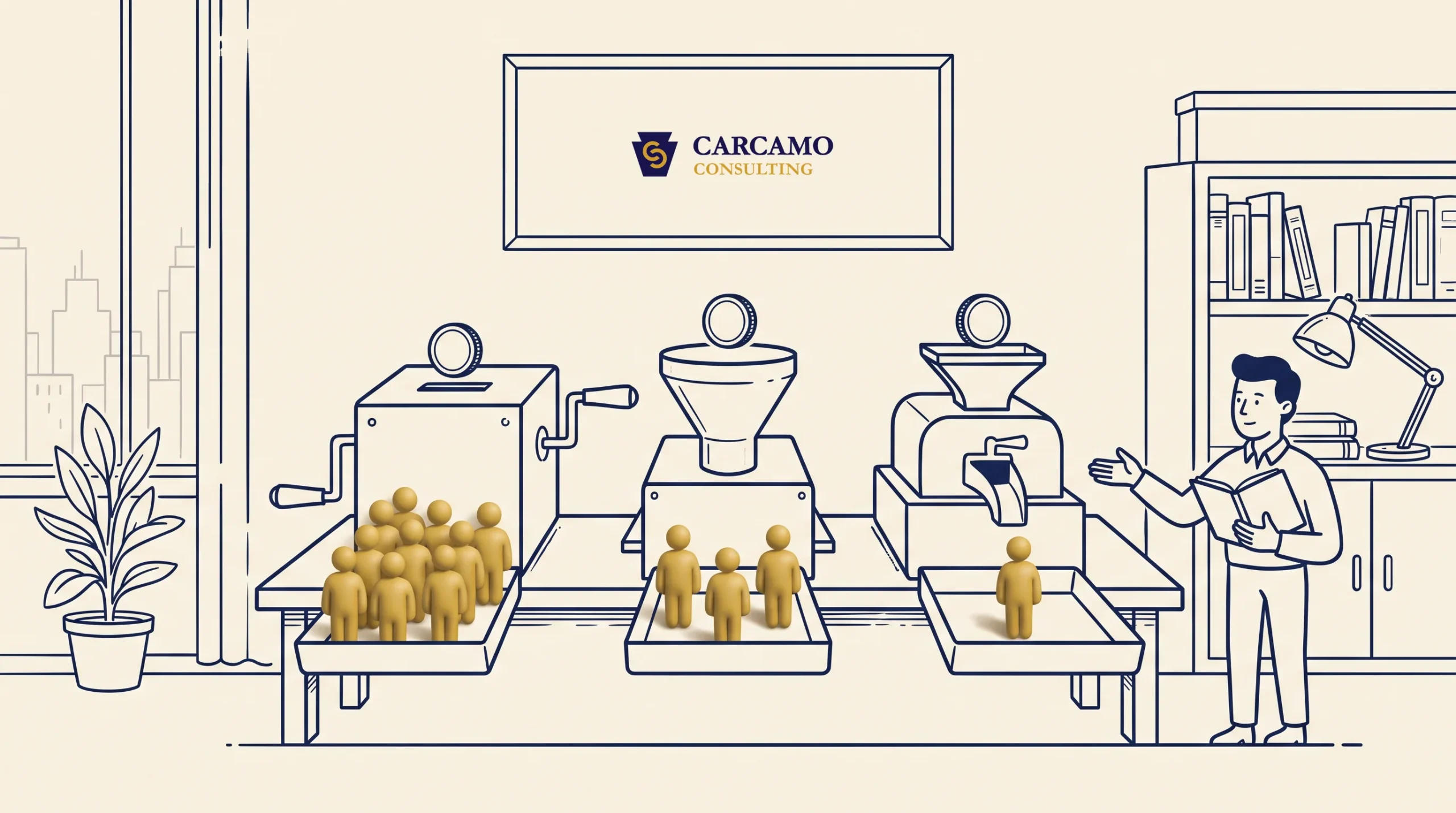

Pennsylvania does not charge an annual franchise tax on LLCs. There is no Pennsylvania equivalent to California’s $800 minimum annual payment — and there never has been for standard LLCs formed here.
What Is a Franchise Tax?
A franchise tax is a state-level fee charged to businesses for the privilege of operating in that state. It has nothing to do with owning a franchise — it’s just a way for states to collect revenue from businesses that use their legal infrastructure.
Some states charge a flat fee. Some calculate it based on net income, revenue, or the number of authorized shares. The structure varies widely from state to state.
What California Charges — and Why People Ask
California charges a minimum $800 annual franchise tax on LLCs, corporations, and most other business entities. It’s due every year regardless of whether the business made money. California also layers on a Gross Receipts Tax for LLCs earning above $250,000 annually — ranging from $900 to $11,790 per year on top of the base $800.
It’s one of the main reasons people compare states before forming an LLC. The California tax alone is $800 per year just to keep the doors open, even if the business is dormant.
Pennsylvania Has No Franchise Tax on LLCs
Pennsylvania eliminated its Capital Stock and Franchise Tax on corporations for tax years beginning after December 31, 2015. For LLCs, there was never a comparable annual franchise tax to begin with.
A “Foreign Franchise Tax” still exists on the PA Department of Revenue’s books, but it applies to out-of-state corporations doing business in Pennsylvania — not to domestic PA LLCs. If you formed your LLC in Pennsylvania, this does not apply to you.
What Pennsylvania LLCs Actually Pay
No franchise tax doesn’t mean no obligations. Here’s what PA LLC owners actually pay:
| Obligation | Amount | Who Owes It | When Due |
| Annual Report Fee | $7/year | All PA LLCs (starting 2025) | September 30 each year |
| PA Personal Income Tax | 3.07% flat rate | Members on their share of profit | With personal tax return |
| Federal Self-Employment Tax | 15.3% on net profit | Self-employed members | Quarterly estimated payments |
| Philadelphia BIRT | Varies | LLCs with Philadelphia nexus only | Annually |
| Local Services Tax (LST) | Up to $52/year | Varies by municipality | Varies |
The $7 Annual Report fee is the closest thing Pennsylvania has to an annual business tax — and it’s a far cry from California’s $800 minimum. The report is filed online through the Pennsylvania Business Filing Services portal.
Income Taxes Still Apply
Skipping the franchise tax doesn’t mean a PA LLC pays no taxes. A single-member LLC is a disregarded entity for federal purposes — the profit flows to your personal return and you pay ordinary income tax on it, plus self-employment tax (15.3% up to the Social Security wage base).
If your LLC has multiple members, it’s taxed as a partnership by default. Each member pays income taxes on their share of the profit, whether or not the money was distributed.
Pennsylvania’s 3.07% flat personal income tax rate is one of the lower rates in the country. Combined with no franchise tax and a nominal annual report fee, PA is a reasonably business-friendly state compared to high-cost alternatives like California and New York.
Frequently Asked Questions
Yes — starting in 2025, Pennsylvania requires all LLCs to file an Annual Report and pay a $7 fee by September 30 each year. This replaced the old Decennial Report. It’s not a franchise tax, but it is a mandatory annual obligation.
Significantly cheaper. Pennsylvania’s annual fee is $7. California’s is $800 minimum, plus gross receipts taxes for larger businesses.
You still owe the $7 Annual Report fee. If your LLC had no income, you generally owe no PA income tax — but you should still file a return to document that.
No state-level tax is calculated on LLC revenue or profit directly. Income passes through to the members, who pay PA personal income tax at 3.07% on their share.
The Capital Stock Tax applied to Pennsylvania corporations, not LLCs, and it was phased out entirely by 2016. PA LLCs were never subject to it.
If you live and operate in California, you can’t simply form a Pennsylvania LLC to avoid California taxes — California taxes businesses doing business in the state regardless of where they’re formed. The savings only apply to business owners who actually operate in Pennsylvania.
 Previous