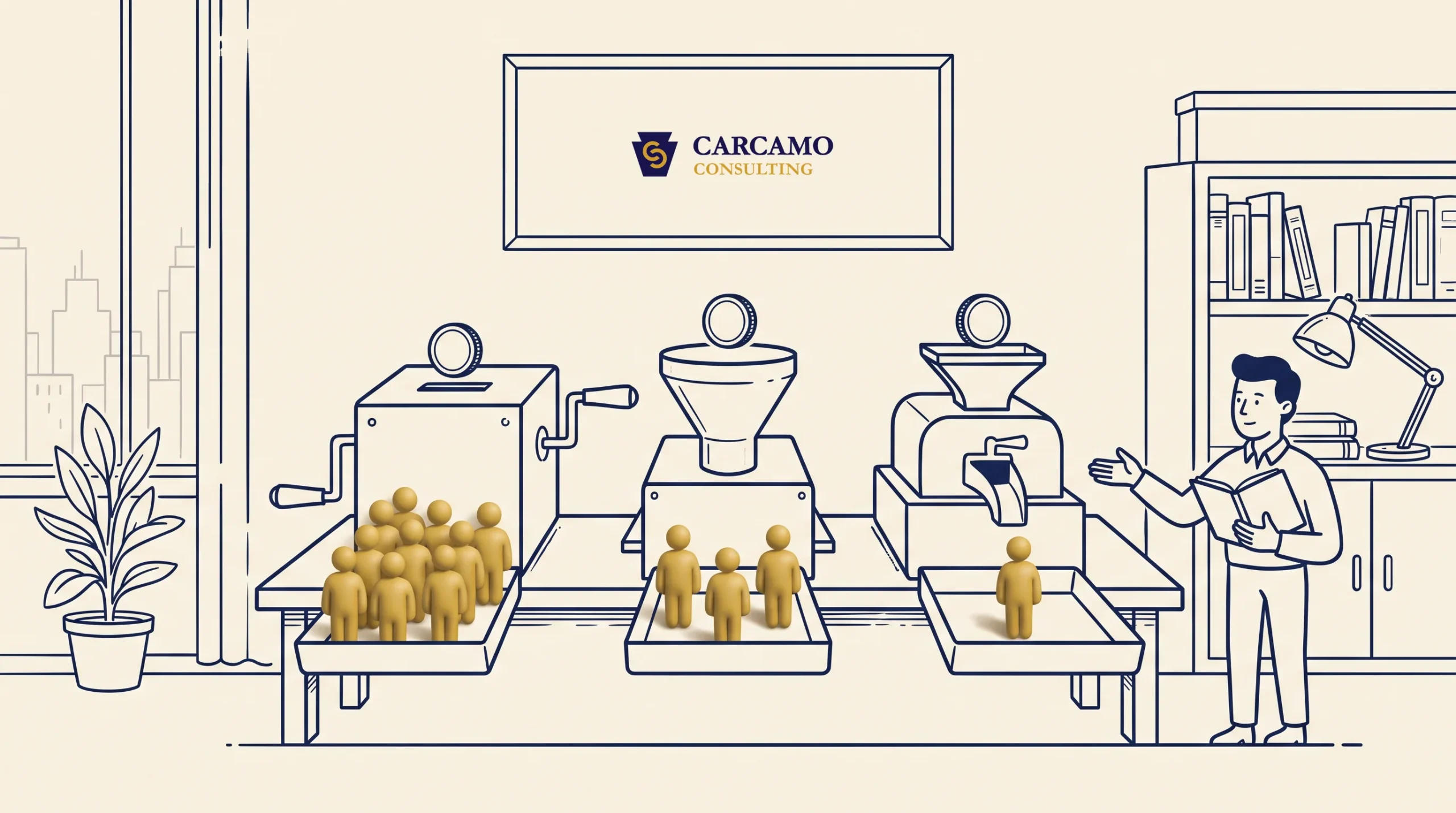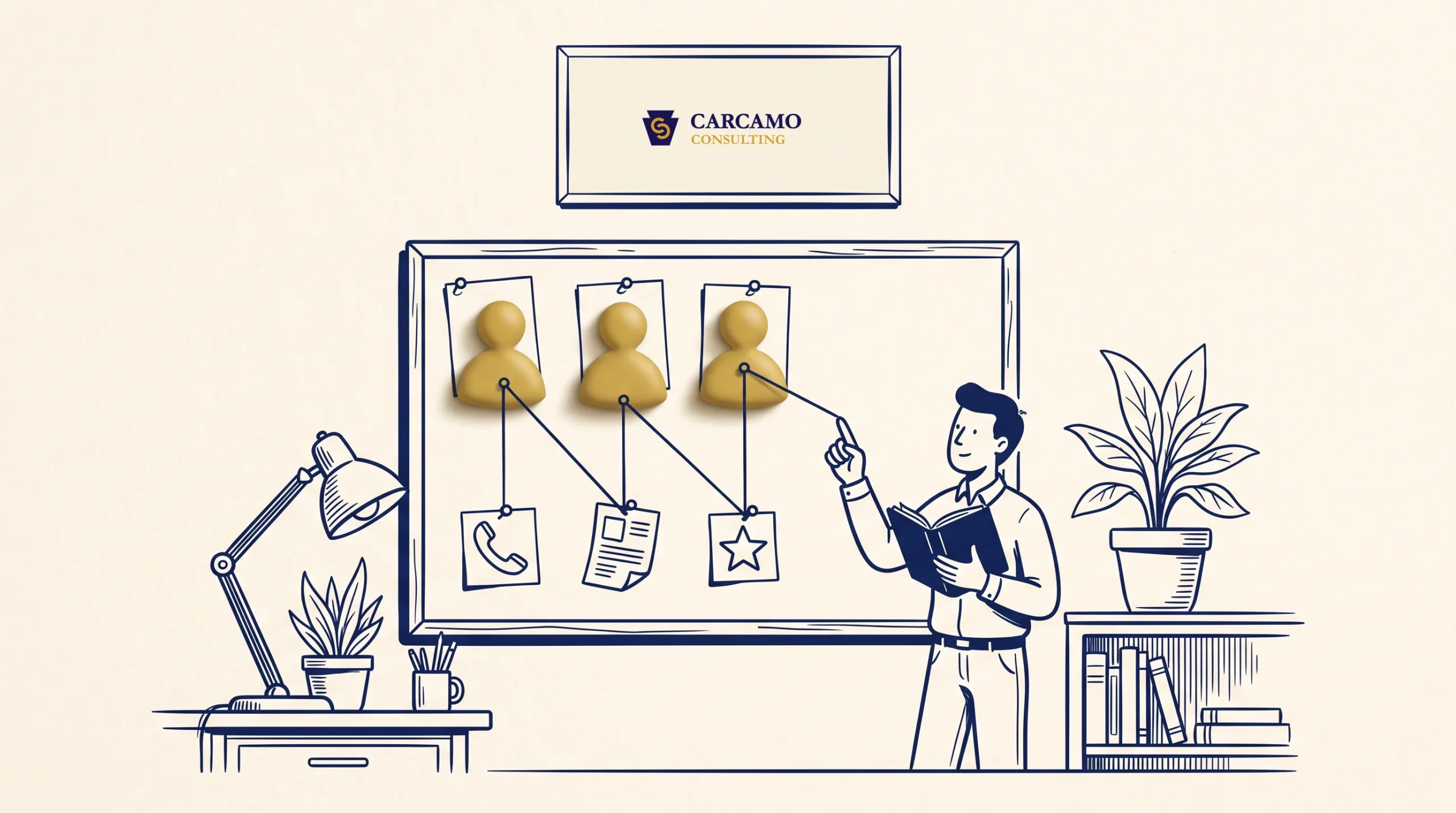
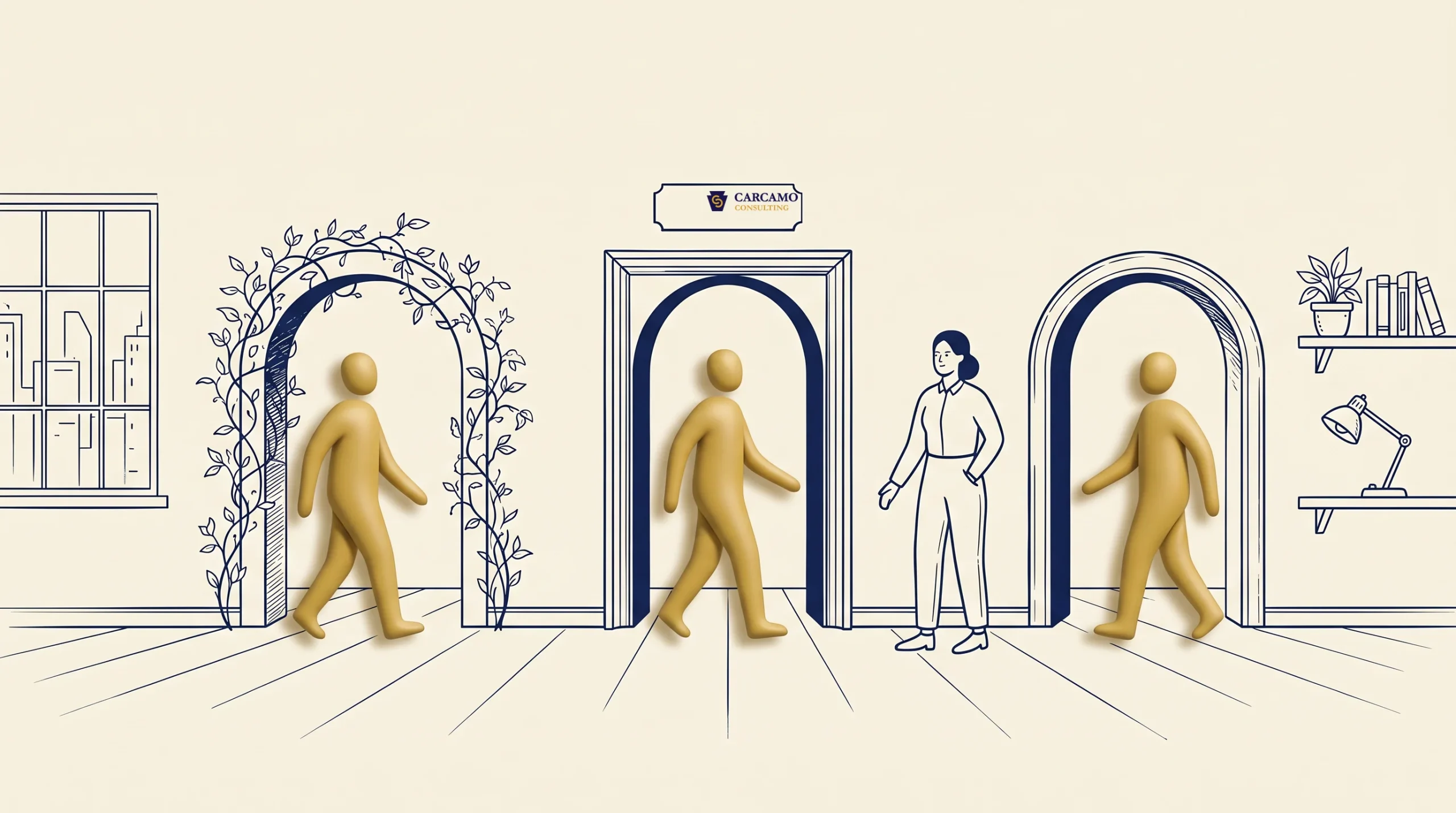
Every customer you will ever get arrives through one of three doors. They find you on their own, you pay to put yourself in front of them, or someone else sends them your way. That is it. Those three doors are the customer acquisition channels: organic, paid, and earned.
Organic means people discover you through content you create and own, like your website, your Google listing, or your social posts. Paid means you spend money to reach people, like Google Ads or a boosted Facebook post. Earned means other people promote you for free, through referrals, reviews, and word of mouth.
Once you can see all three clearly, a lot of the late-night stress about marketing gets quieter. You stop asking “what should I be doing?” and start asking the better question: “which door should I focus on right now?” There is one common mistake that sends owners pouring money into the wrong door, and we will get to it near the end.
The three channels at a glance
Before we go deep on each one, here is the whole picture in one view.
| Channel | What it is | Examples | What it costs you | How fast it works |
|---|---|---|---|---|
| Organic | Customers find you through content you own | SEO, blog posts, Google Business Profile, social posts | Mostly time | Slow to start, compounds over time |
| Paid | You pay to put yourself in front of customers | Google Ads, Facebook and Instagram ads, sponsored posts | Money, every time | Fast, stops when you stop paying |
| Earned | Other people promote you for free | Referrals, word of mouth, reviews, press mentions | Great service (and the nerve to ask) | Slow to build, powerful once it does |
None of these is “the best.” They each do a different job, and a healthy business usually ends up using all three. The art is knowing which one to lean on while you are small.
Organic: customers who find you on their own
Organic acquisition is when someone discovers your business without you paying to put yourself in their path. They searched Google for a service, found your website, and called. They scrolled past your Instagram post and followed you. They read a helpful article you wrote and trusted you because of it.
The key word is own. These are channels you control: your website, your blog, your Google Business Profile, your social accounts, your email list. You build the asset once, and it keeps working.
Common organic channels for a small business:
- Search (SEO): showing up on Google when someone types in what you offer. This is often the single most valuable channel for a local business, because the person searching already wants what you sell.
- Content: blog posts, guides, and videos that answer the questions your customers are already asking.
- Your Google Business Profile: the free listing that puts you in the local map results. For most local businesses, this is the highest-leverage hour of work there is.
- Social media (organic posts): showing up in the feed without paying to boost it.
The honest tradeoff: organic is not free, it is just not paid. It costs time instead of money. A blog post that ranks on Google can bring in customers for years, but it might take months to climb there.
The results stack. Every piece of content you publish is one more asset working for you around the clock, and the value compounds. If you are starting from scratch, our complete playbook for getting customers walks through how to build that foundation step by step.
Best for: businesses that can be patient, want lower long-term costs, and are willing to put in the work upfront.
Paid: customers you pay to reach
Paid acquisition is the most straightforward of the three. You hand a platform money, and it puts your business in front of people. Google Ads, Facebook and Instagram ads, sponsored posts, paid directory listings: if you are paying to be seen, it is paid acquisition.
The big advantage is speed. Organic might take months. A paid campaign can bring you a lead this afternoon. You can turn it on the day you open, dial it up when you want more, and dial it down when you are slammed. For a brand-new business with no website traffic and no reputation yet, paid is often the fastest way to get the phone ringing.
Common paid channels:
- Search ads (Google Ads): you pay to appear at the top when someone searches for your service. High intent, because they are already looking.
- Social ads (Facebook, Instagram, TikTok): you pay to interrupt people who fit your customer profile, even if they were not searching.
- Local and sponsored placements: paid directory spots, sponsored newsletters, local event sponsorships.
The catch is right there in the name. The moment you stop paying, the customers stop coming. Paid is like renting an audience. It works beautifully while the meter is running, and it goes silent when you turn it off. It also rewards businesses that already have their act together: if your website is confusing or nobody answers the phone, paid traffic just means you are paying to lose people faster.
This is why paid works best on top of a solid foundation, not instead of one. The ad gets them to the door. Everything after that decides whether they buy.
Best for: businesses that need customers now, have a budget to spend, and have a website and follow-up process ready to catch the leads.
Earned: customers other people send you
Earned acquisition is the channel small businesses actually live on, and it is the one the marketing world talks about least. It is what happens when other people promote you, and you did not pay them to do it.
A happy customer tells her neighbor. Someone leaves you a five-star review. A local Facebook group recommends you when someone asks. The newspaper writes about the new shop in town. None of that was an ad. You earned it by being good and by being known.
The reason this channel is so powerful is trust. People believe a recommendation from a friend or a stranger’s honest review far more than they believe any ad, and they always will. Nielsen’s research has consistently found that people trust recommendations from people they know above every other form of advertising. The vast majority of consumers now read online reviews before choosing a local business, which means your reviews are doing sales work whether you manage them or not.
Common earned channels:
- Referrals and word of mouth: existing customers sending you new ones.
- Online reviews: Google, Yelp, and Facebook reviews that convince the next person to call.
- Press and PR: a mention in a local paper, blog, or podcast.
- Social proof: someone tagging you, sharing your post, or recommending you unprompted.
Here is the part most owners miss: earned does not have to be luck. You can engineer it. Ask every satisfied customer for a review, and make it easy by sending the direct link. Build a simple referral offer. Do work so good that people cannot help but talk about it.
Earned media is built on the back of the other two channels and a genuinely good business. That is exactly why it cannot be faked, and exactly why it is worth so much once you have it.
Best for: every business, always. It is the cheapest, most trusted channel there is, but it has to be built deliberately, not just hoped for.
How the three customer acquisition channels work together
The biggest mindset shift is this: these are not three options you pick between. They are three parts of one system, and they feed each other.
Paid gets you customers today while organic is still warming up. Organic builds the assets that make your paid ads convert better and your business easier to find. And both of them, done well, create the happy customers and strong reputation that power earned. A glowing review (earned) makes someone more likely to click your ad (paid) and then read your blog (organic) before they buy.
Think of it as a flywheel. The first push is the hardest. Once all three channels are turning, each one makes the others spin faster. That is the whole game: not winning a fight between organic and paid, but getting the system turning. If you want to go deeper on the system itself, here is what customer acquisition actually means beyond just running ads.
Which channel should you start with?
You cannot do everything at once, and trying to is the fastest way to do all of it badly. Here is a simple way to choose your focus based on where you are right now.
If you need customers immediately and have some budget, start with paid. It is the only channel that delivers fast. Run a small, focused campaign while you build the rest. Just make sure your website and follow-up are ready first, or you are pouring money through a leaky bucket.
If you have more time than money, start with organic. Claim and optimize your Google Business Profile today, because for a local business it is the single best free move available. Then build out your website and start answering customer questions with content.
If you already have customers, make earned your priority right now, no matter what else you do. You are sitting on the cheapest growth you will ever get. Start asking for reviews and referrals this week. Most owners leave this money on the table for years.
And here is the mistake we promised to come back to: most owners pour money into paid ads before they have anything to send the traffic to, and before they have asked a single happy customer for a referral. They rent an audience they are not ready for while ignoring the customers they already earned. Start with the foundation and the customers already in hand, then add paid to pour fuel on a fire that is already lit.
Frequently asked questions
What are the three types of customer acquisition channels?
The three channels are organic, paid, and earned. Organic means customers find you through content you create and own, such as your website, SEO, or your Google listing. Paid means you spend money on advertising to reach people. Earned means other people promote you for free through referrals, reviews, and word of mouth.
Is organic or paid acquisition better?
Neither is better in general, because they do different jobs. Paid is faster and gives you customers quickly, but it stops the moment you stop paying. Organic is slower to start but builds assets that keep working for years and usually costs less over time. New businesses that need leads fast often lean on paid first, then shift toward organic and earned as those build up.
Are referrals organic or earned?
Referrals are earned, not organic. The simple test is who created the promotion. If you made and control the channel, like your website or your social post, it is organic. If someone else is doing the promoting for you, like a customer recommending you to a friend, it is earned.
Which customer acquisition channel is best for a new business with no customers yet?
If you have no customers and no traffic, paid is usually the fastest way to get started, because it does not depend on an existing audience or reputation. At the same time, claim your free Google Business Profile and start building organic from day one. As soon as you land your first happy customers, begin asking for reviews and referrals to kick-start the earned channel.
Can you acquire customers with no budget at all?
Yes. Organic and earned channels do not require ad spend. You can claim your Google Business Profile, post helpful content, answer questions where your customers hang out, and ask happy customers for reviews and referrals, all for free. The tradeoff is that these channels cost time and patience instead of money, and they take longer to gain momentum.
How long does organic acquisition take to work?
Organic usually takes a few months to start producing steady results, and longer to reach full strength, especially SEO. The exact timeline depends on your market and how consistently you publish. The upside is that once organic is working, it keeps bringing in customers without ongoing ad spend, which is why it is worth starting early even though it is slow.
How should I split my budget between paid and organic?
There is no single right number, but a common approach for a newer business is to put most of your money into paid for quick wins while investing your time into organic and earned, which cost little cash. As organic and earned start carrying more of the load, you can lean less on paid. The goal is to use paid to buy time while you build channels that do not require constant spending.
Figuring out which channel to focus on first is a lot easier when someone has actually run the experiment before. At Carcamo Consulting, we do not just advise on this. We run real local businesses ourselves, so the advice comes from what actually worked, not from a textbook. When you are ready to map out the right mix for your business, send us your question and a real human will help you sort it out.
 Previous