
You are good at what you do. The baking, the building, the bookkeeping, the part you actually trained for. Then the calendar goes quiet, and a different question shows up around midnight: where do the customers actually come from?
Start with the people who already trust you, then build a few channels that bring in strangers on repeat.
Not every channel at once. The warm ones first, because they convert fastest and cost nothing, then the slow ones that compound while you sleep. The rest of this is how to do it in order, without burning money or chasing every tactic you see online.
Start where the trust already is
Most advice tells you to “build an audience.” That is true eventually, but it skips the part that works on week one. Your first customers are almost never strangers. They are people who already know you, or people one introduction away.
So before you spend a dollar, work your warm circle:
- Tell people what you do, plainly. Not a sales pitch. A clear sentence: “I started offering bookkeeping for small trades businesses. If you know anyone drowning in receipts, send them my way.”
- Ask past clients and employers. If you have done this work before, the people who already paid you are your best lead. Reach back out.
- Make one specific ask, not a broadcast. “Do you know anyone who needs this?” beats a vague Facebook post that everyone scrolls past.
This feels too simple to count as marketing. It is still the highest-converting thing you will ever do, because trust is already there. You are not convincing a stranger you are real. You are reminding a friend you exist.
Turn happy customers into your sales team
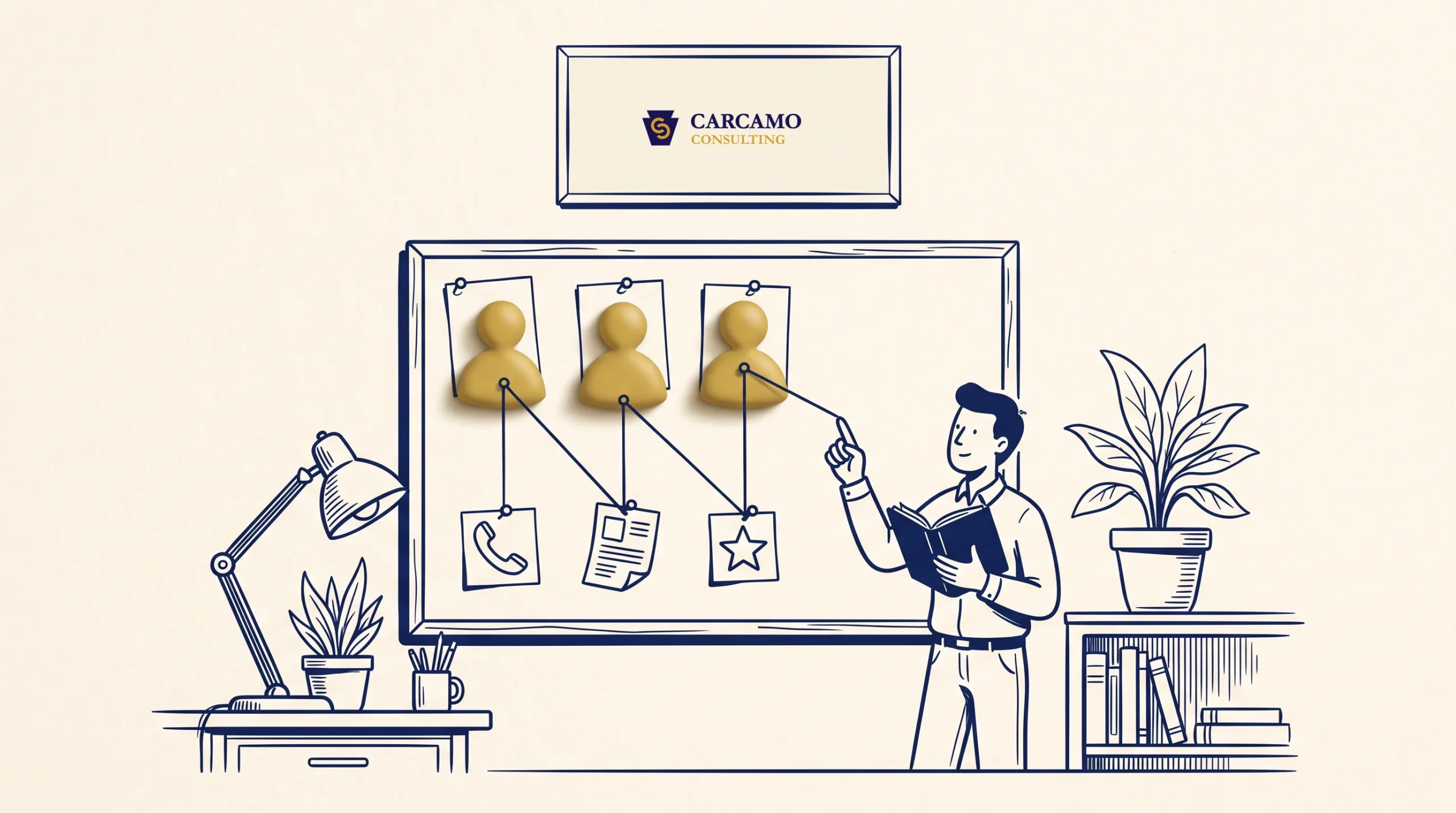
Once you have a few customers, referrals become the engine. A referred customer trusts you before the first conversation, closes faster, and tends to refer others. The catch is that almost nobody refers on their own. You have to ask, and you have to make it easy.
- Ask right after a win. The best moment is when a customer just told you they are happy. That is when you say, “If you know one other person who could use this, I would love an introduction.”
- Be specific about who you want. “I am looking for more dentists” gets better results than “anyone.”
- Give them words to use. A short, forwardable sentence they can paste into a text removes the friction.
You can add a small incentive later, a discount or a thank-you credit, but a sincere ask at the right moment does most of the work.
Get found when people are already searching
The warm channels get you started. Search is how you stop relying on luck. When someone types “plumber near me” or “logo designer for restaurants,” they are ready to spend. You just have to be there.
For most small businesses, that starts with two free things:
- Set up and fill out your Google Business Profile. This is what puts you on the map, literally. Add your hours, services, photos, and service area. A complete profile beats a half-empty one every time.
- Collect reviews, then keep collecting. Reviews are the single biggest lever on whether someone picks you over the shop next door. Ask every satisfied customer, make it a habit, and respond to the ones you get.
If you sell beyond your town, basic search engine optimization on your website matters too. That means pages that clearly say what you do, where you do it, and answers to the questions customers actually ask. It is slower than referrals, but it builds an asset that brings in customers for years.
Show up where your customers already gather
You do not need to be on every platform. You need to be useful on one or two where your customers already spend time.
- Pick one social channel and post helpful things. Not ads. Answers. Show the work, explain the thing people always ask, share the before and after. Helpful content is what makes a stranger trust you enough to call.
- Join the communities your customers live in. Local Facebook groups, neighborhood apps, trade forums, and niche online groups are full of people asking for exactly what you sell. Be the person who genuinely helps, and the work follows.
The mistake here is trying to be everywhere. Pick the place your customers actually are, and go deep instead of wide.
Borrow other people’s customers with partnerships
Some of the fastest growth comes from teaming up with businesses that serve your customer but do not compete with you. A wedding photographer and a florist. A remodeler and a real estate agent. A bakery and a coffee roaster.
- Find the businesses next to yours in the customer’s journey. Who do your customers buy from right before or right after you?
- Make the first move and make it generous. Refer them business first. Reciprocity is powerful, and the relationship outlasts any single deal.
One good partner can send you steady customers for years, and it costs nothing but a conversation.
Reach out directly when the deal is worth it
If you sell to other businesses, or your average sale is large, direct outreach earns its place. A thoughtful email or call to a specific person is not spam when it is genuinely relevant.
- Target a short, specific list, not everyone. Twenty businesses you can actually help beats two hundred random names.
- Lead with them, not you. Reference something real about their business and the problem you solve, then make a small, low-pressure ask.
Outreach takes patience, since most people will not answer the first time. For high-value work, the few who do can make a month.
When paid ads make sense (and when they do not)
Ads are a speed and scale tool, not a starting point. They work best once you already know what a customer is worth to you and what message makes them buy. Run ads before you know those things, and you are paying to learn lessons the warm channels teach for free.
A reasonable order looks like this:
- Prove people want what you sell using warm channels and referrals.
- Get your Google Business Profile and reviews working so the people ads send you actually convert.
- Then test a small ad budget on the one channel where your customers already pay attention.
Ads can absolutely grow a business. They just multiply what is already working. They cannot rescue an offer nobody wants yet.
How to get customers: choosing your first move
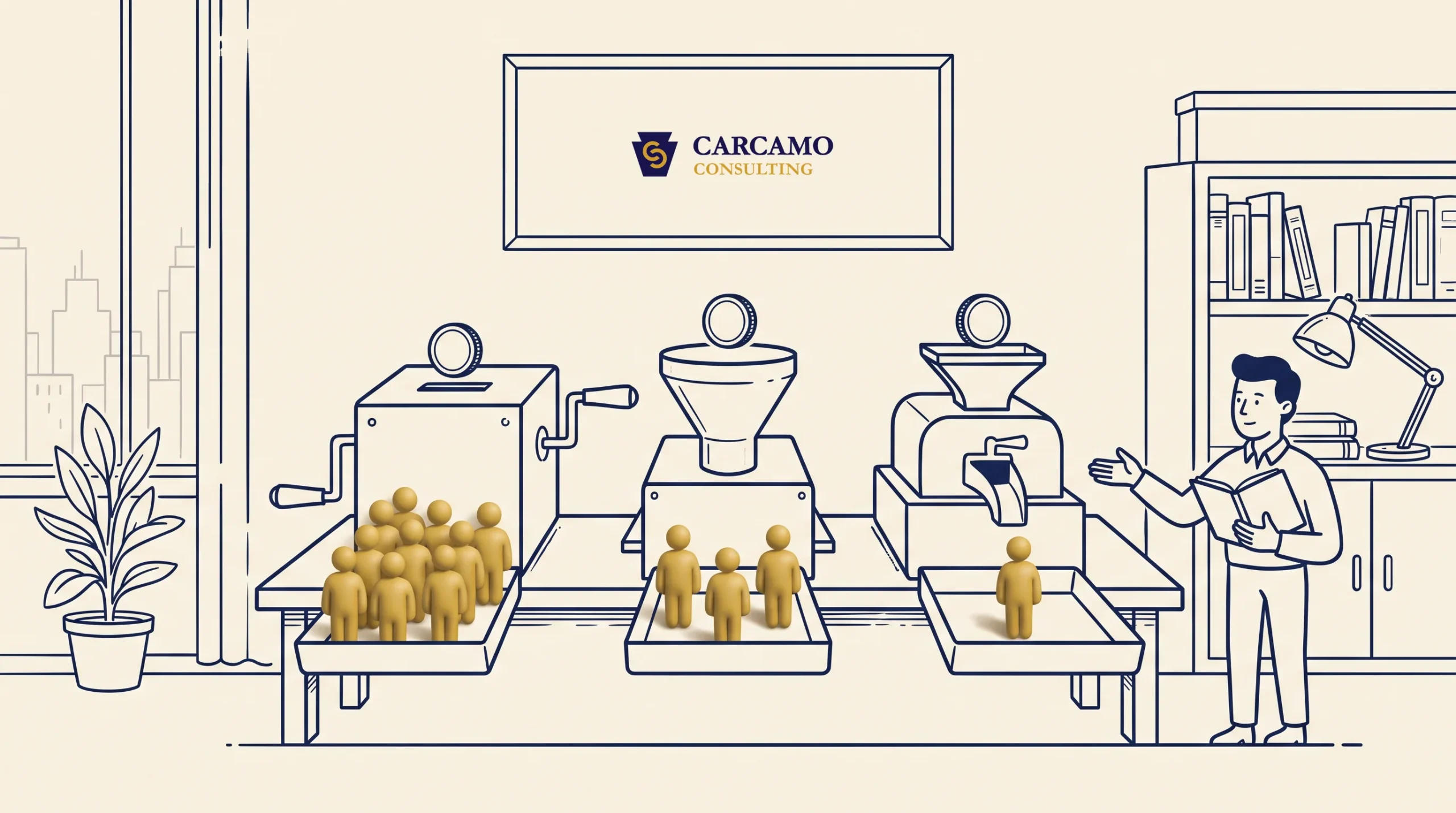
You cannot do all of this in week one, and you should not try. Pick your starting channel based on your situation:
- Brand new with no customers yet: Start with your network and direct conversations. You need proof and feedback more than you need reach.
- A few happy customers already: Build a referral habit and set up your Google Business Profile. You are sitting on growth you have not asked for.
- More time than money: Lean on content, communities, and search. They cost hours, not dollars, and they compound.
- More money than time: Get your reviews and profile solid, then test paid ads to buy speed.
- You sell to other businesses: Combine warm introductions with targeted direct outreach.
Do one well before you add the next. A single channel you actually work beats five you dabble in. Momentum comes from depth, not from spreading yourself thin.
How long until customers actually show up
This is the question nobody answers honestly, so here it is. Warm channels can produce a customer in days. Referrals build over weeks as you ask consistently. Search, content, and reviews usually take a few months to gather real momentum, and then they keep paying off long after.
The takeaway: stack the fast channels and the slow channels at the same time. Let referrals and outreach feed you this month while search and content build the pipeline for next quarter. Businesses that struggle usually planted only the slow seeds, then ran out of patience before harvest.
The one mistake that keeps calendars empty
If there is a single trap to avoid, it is waiting. Building a website and then waiting. Posting once and then waiting. Hoping customers stumble in on their own.
Customers rarely find you by accident, especially early. Getting customers is something you do on purpose, a little every day: one ask, one post, one conversation, one review request. The businesses that fill their calendars are not the ones with the cleverest tactic. They are the ones who kept showing up and kept asking.
Frequently Asked Questions
How do I get customers fast?
Start with the warmest channels. Tell your existing network exactly what you do, reach back out to past clients, and ask happy customers for referrals. These convert quickest because the trust is already there. Paid ads can add speed, but only after you know your offer works and your reviews and profile are in place.
How do I get customers with no money?
Lean entirely on time instead of budget. Work your personal network, ask for referrals, set up a free Google Business Profile, collect reviews, post helpful content on one social channel, and be genuinely useful in the online communities where your customers already gather. Plenty of businesses reach their first hundred customers without spending a cent on ads.
How do I get my first customers with no audience and no email list?
You do not need an audience to get your first customers. You need conversations. Your first customers come from people you already know and one introduction away. Make a list of everyone who might need what you sell or know someone who does, then reach out directly with a specific, low-pressure ask. Build the audience and email list afterward, from the customers you win.
Do I need to pay for ads to get customers?
No. Ads are optional and work best as an accelerator once the basics are working. Referrals, search, reviews, social content, and partnerships can carry a small business a long way with zero ad spend. Treat ads as a way to scale something that already converts, not as the way to get started.
What is the best way to get customers for a small business?
There is no single best channel, only the best starting channel for your situation. For most new businesses that is referrals and their existing network, because it is free and converts fastest. For local businesses, a complete Google Business Profile and a steady stream of reviews come next. Choose one channel, work it well, then add the next.
How long does it take to get customers?
It depends on the channel. Network outreach and referrals can land a customer in days to weeks. Search, content, and reviews usually take a few months to build momentum, then keep delivering for years. Run the fast channels and the slow channels together so you have customers now and a pipeline later.
If you are looking at this list and not sure which step is actually yours, that is exactly the kind of question we like. We help small business owners figure out where their next customer comes from, in plain English, with no judgment. It is free to ask, so send us your question and a real person will help you map your first move.
 Previous