Knowing how to get your first 10 customers comes down to one thing: reaching people directly instead of waiting to be found. You win them one conversation at a time. List the people and places already connected to what you sell, make a specific offer, and follow up until you have 10 yeses. No ad budget, no big audience, no viral moment required. The steps below put that into an order you can actually work through this week.
The first 10 are the hardest customers you will ever get, and the most important. They prove the thing works, they give you testimonials, and they hand you the referrals that make customers 11 through 50 far easier. Here is how to land them without guessing.
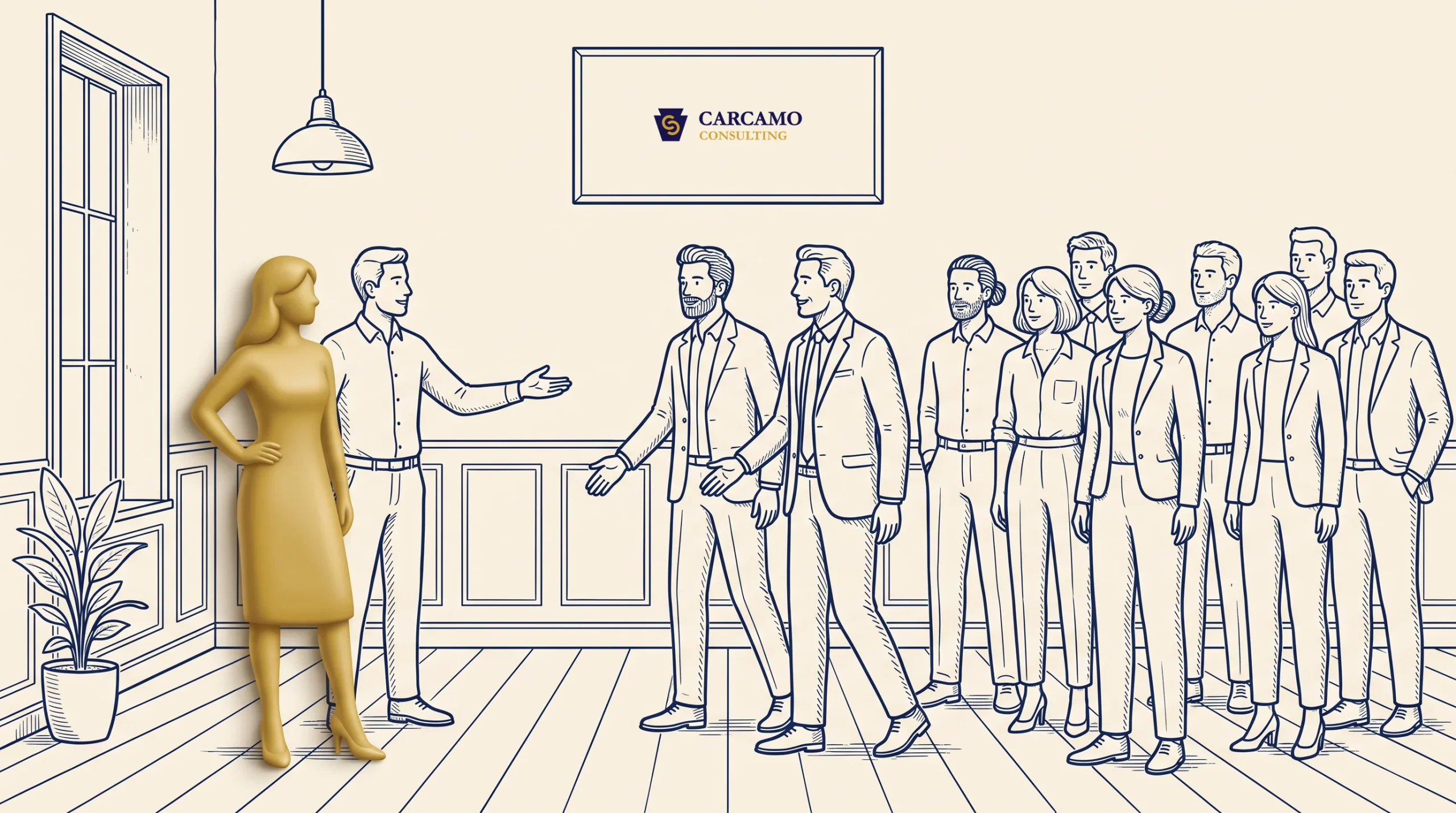
Get clear on who you are actually selling to
You cannot reach “everyone,” and trying to is the reason most new owners stall. Before you message a single person, get specific about who your first customer is.
Picture the person who needs what you do most urgently. What is their problem? What would make them say yes this month instead of “maybe later”? A house cleaner serving busy two-income families is selling something different from one serving older homeowners, even though the service is the same.
Getting this right does two things. It tells you exactly where to look, and it tells you what to say when you get there. If you are not sure yet, spend an hour on it first: here is how to define your ideal customer before you spend a dollar. The narrower your target, the easier every step after this becomes.
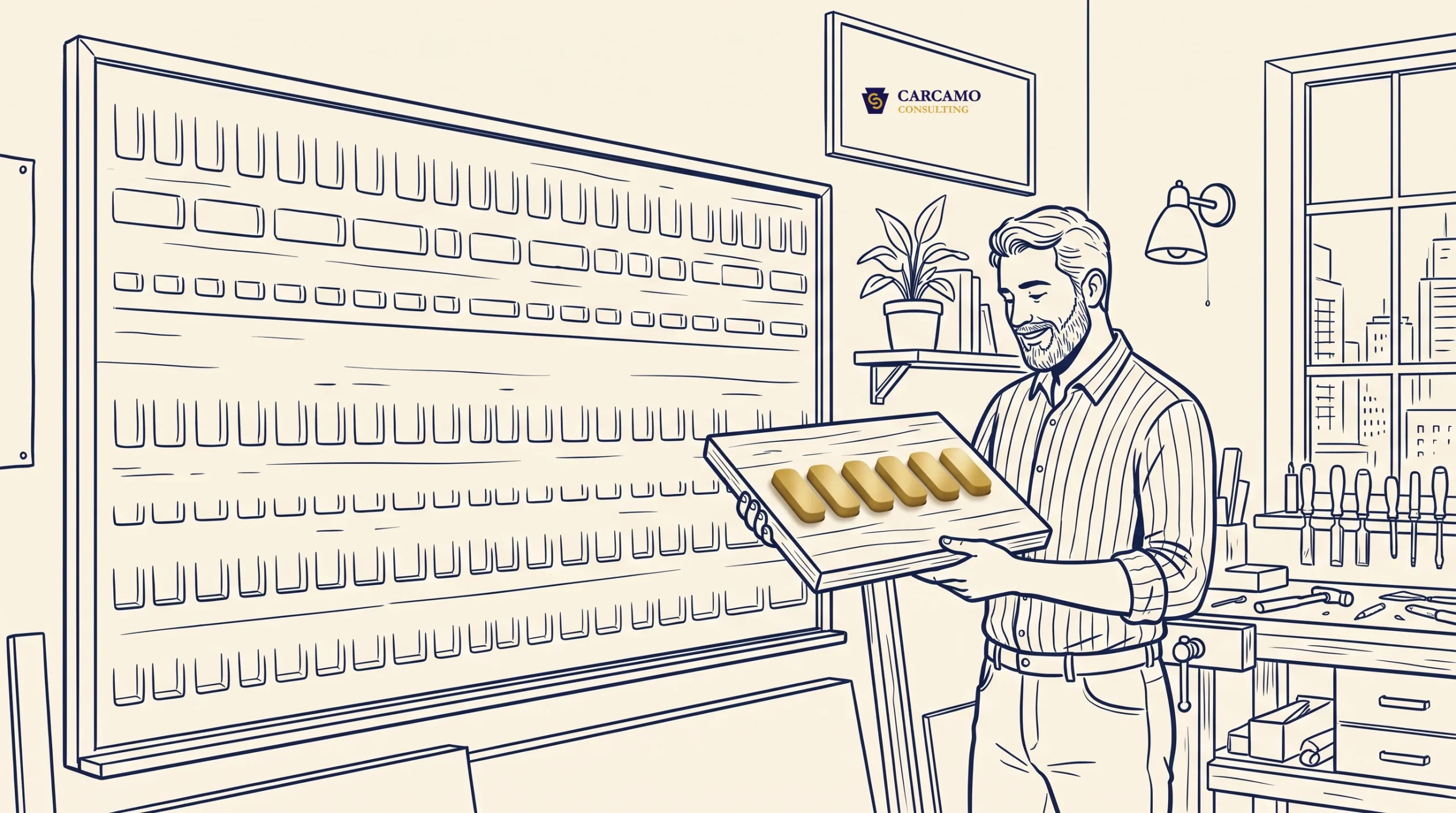
Make a list of 50 people you can reach right now
Your first customers are almost never strangers. They are people one or two steps away from you who either need what you sell or know someone who does.
Open a notes app or a spreadsheet and write down everyone you can think of in these buckets:
- People you know directly: friends, family, former coworkers, old classmates, neighbors, people from your gym or church or kids’ school.
- People you have worked with: past clients, vendors, anyone who has seen your work.
- People your contacts know: the cousin who owns a shop, the friend who manages an office, the neighbor who is always remodeling.
- Places your customer already gathers: local Facebook groups, neighborhood apps, industry forums, the Reddit communities where your buyers hang out.
Aim for 50 names and places. It feels like a lot, but you are not selling to all of them. You are creating a pool, because realistically only a fraction will turn into customers, and that is normal.
This list is your single most valuable asset right now. Everything that follows is just working through it well.
Reach out personally, one message at a time
A mass post that says “I’m open for business, tell your friends” gets ignored. A short, personal message that names a specific person and a specific way you can help gets answered.
Go down your list and send individual messages. Keep each one warm and human:
- Say what you are doing and who you help, in one sentence.
- Name why you thought of them specifically, or who you think they might know.
- Make it easy to say yes with a clear, small next step.
For example: “Hey Maria, I just started doing bookkeeping for small shops like yours. I know tax season buried you last year. Want me to take a look at your books this month and see if I can save you the headache?”
That beats “I do bookkeeping now, let me know if you need anything.” The first asks for a decision. The second asks the other person to do the work of figuring out how to help you.
Send these in small batches so you can follow up on each one. The goal is conversations, not blast volume.
Lead with your value, not your price
When you reach out, you are competing with the easiest answer in the world, which is “no thanks.” The way you beat it is by being clear about what the other person gets, fast.
In plain terms, why should someone pick you? Maybe you are local and they can actually reach you. Maybe you are faster, or you specialize in exactly their situation, or you simply care more.
Whatever it is, say it plainly and lead with it. If you are not sure how to phrase that, this walks through how to write a value proposition that makes people choose you.
The mistake new owners make is opening with price or credentials. Open with the result. “I’ll get your floors looking like new before your open house” lands harder than “I have five years of experience and competitive rates.”
Show up where your buyers already are
Not everyone on your list will bite, so you also need to put yourself in front of new people who fit your target. The trick is to go where they already gather instead of waiting for them to find you.
Depending on what you sell, that looks like:
- Local in-person spots: farmers markets, craft fairs, chamber events, community boards. A simple sign-up sheet or a QR code to a landing page captures people who are interested but not ready today.
- Online communities: Facebook groups, Nextdoor, and the subreddits where your customers talk shop. Be a helpful regular first. Answer questions, share what you know, and let people see you are good at this before you ever pitch.
- Local search: set up and fully fill out your Google Business Profile. When someone nearby searches for exactly what you do, a complete profile with photos and reviews puts you in front of them at the moment they are ready to buy.
The rule in every community is the same: give value before you ask for anything. People buy from someone who has already helped them, even in a small way.
Make your first customers an easy offer
Early on, your biggest obstacle is that nobody has proof you are worth it yet. A smart introductory offer removes the risk and gets people off the fence.
That does not mean working for free. A few options that work:
- A founding-customer rate for the first 10 people who sign on.
- A small, time-boxed discount tied to a deadline so it creates a reason to act now.
- A satisfaction guarantee that puts the risk on you instead of them.
Use discounts deliberately, not out of fear. The point is to lower the barrier for people who are almost ready, not to train your market to expect cheap work forever. Frame it as a launch offer with a clear end date, and protect your regular price. You can read more on pricing and positioning in the full playbook on how to get customers.
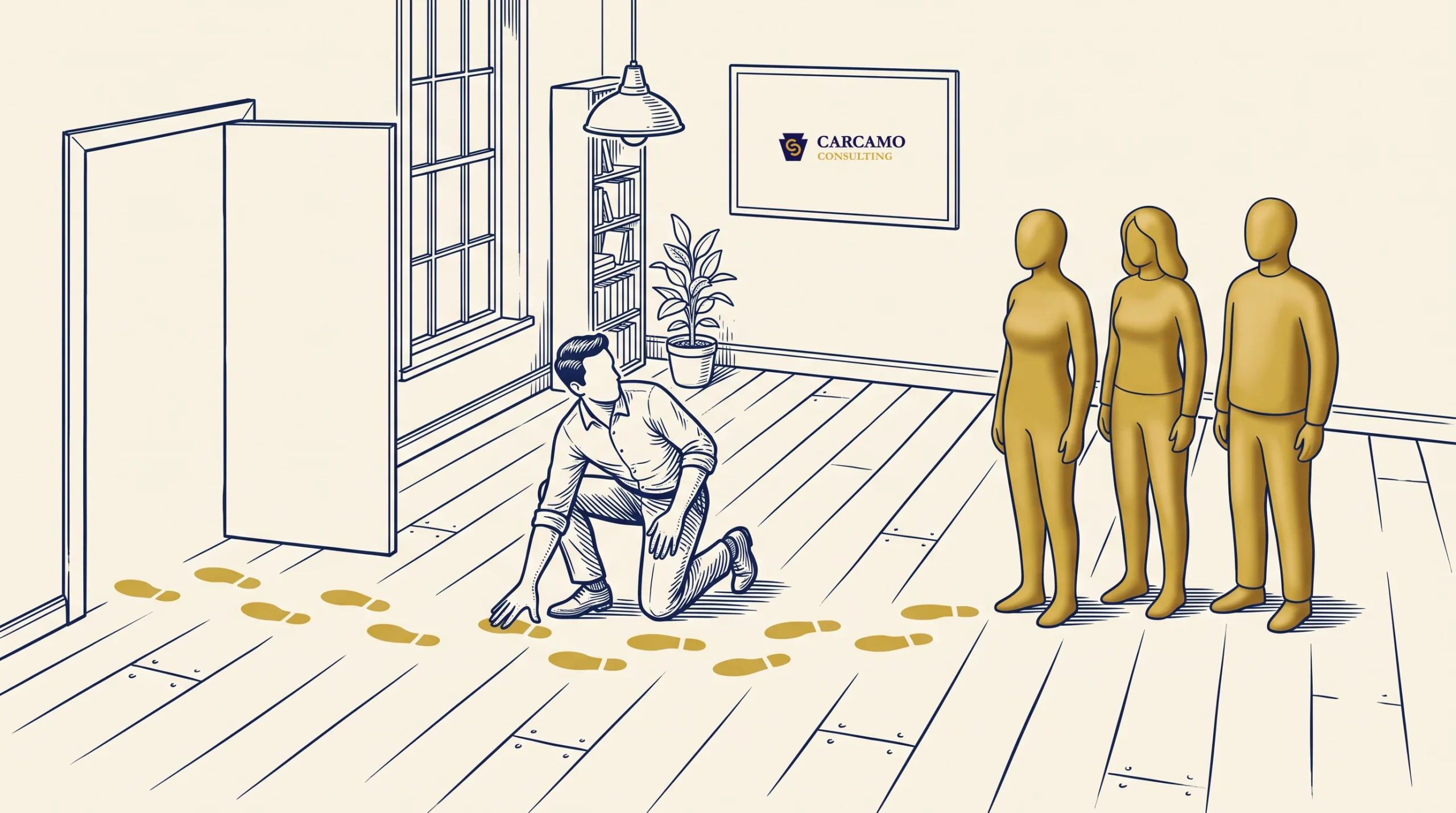
Follow up, because most yeses come on the second touch
This is the step almost everyone skips, and it is where the customers are. People are busy. A message that goes unanswered usually means “not right now,” not “no forever.”
When someone shows interest but does not commit:
- Follow up within two or three days while you are still fresh in their mind.
- Reference your last conversation so it feels personal, not automated.
- Restate the specific next step and make it tiny: a quick call, a free estimate, a single sample.
Keep a simple tracker, even a notepad, with each person’s name, where you left off, and when to check back. Two or three friendly follow-ups is normal and expected. You are not being pushy. You are being the one who actually showed up.
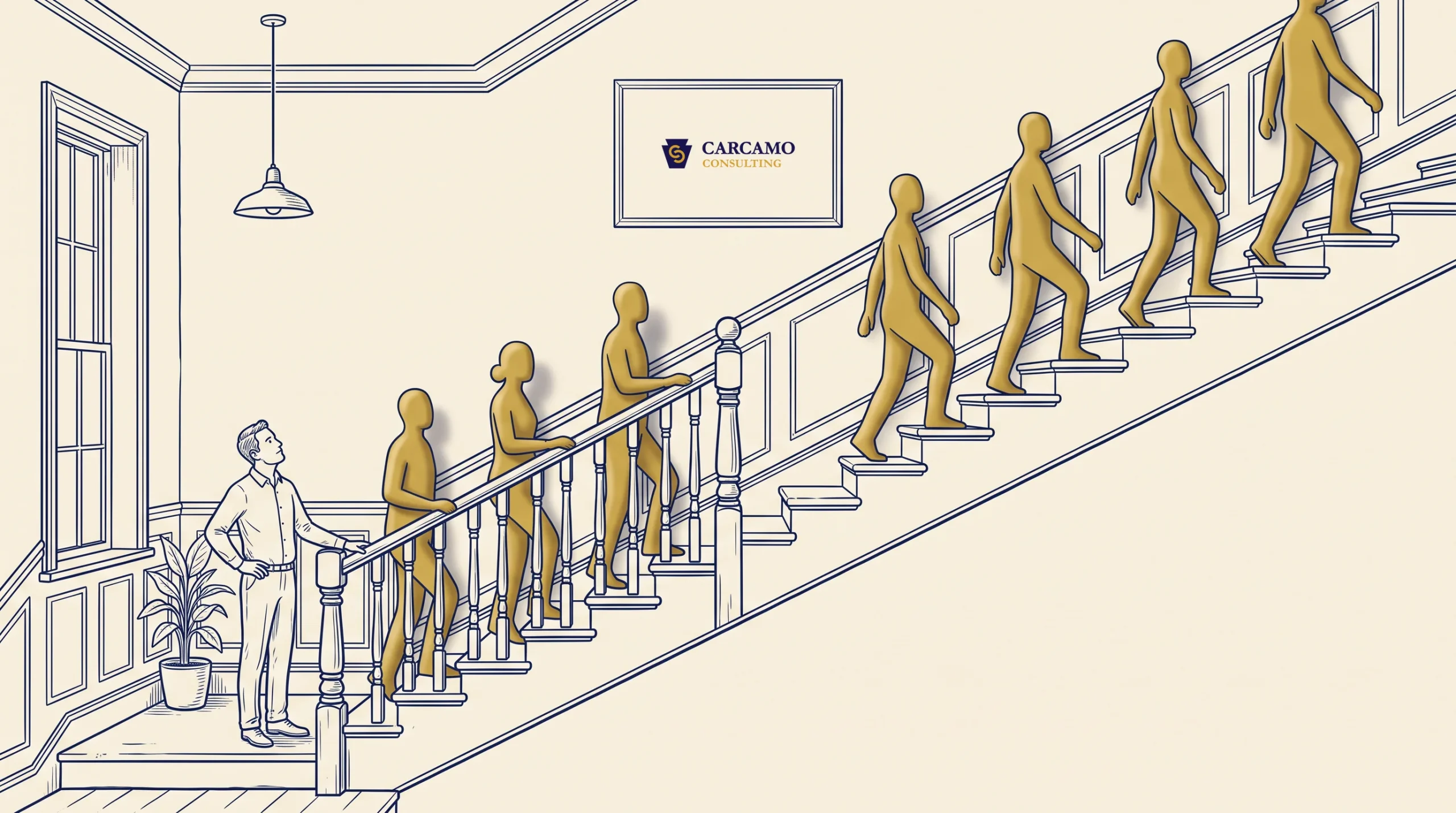
Turn your first customers into your next ten
The moment someone says yes, the work is not over. A happy first customer is worth far more than the one sale, because they are how you get the next handful without starting from scratch.
With every early customer, do three things:
- Overdeliver on the work. Your first 10 are your reputation. Do the job so well that they would feel a little guilty not telling someone about you.
- Ask for a review or testimonial. Right after you deliver, while they are happy, ask. A few real reviews on Google make every future customer trust you faster.
- Ask for a referral, specifically. Do not say “tell your friends.” Say “do you know one other person who might need this?” A specific ask gets a specific name.
This is the engine. Ten happy customers who each refer one person, and leave one review, quietly turn into your next 20 without another cold message. The grind of the first 10 is what buys you that momentum.
How long should this take?
There is no fixed timeline, but for most local and service businesses the first 10 customers come over a few weeks to a few months of consistent effort, not in a single afternoon. The owners who get there fastest are the ones who treat it like a daily habit: a handful of personal messages, one follow-up round, and one community interaction every day.
If a month goes by with nothing, the problem is usually one of three things: you are reaching too few people, your offer is not specific enough, or you are not following up. Fix those before you spend a cent on ads.
When you are ready to build a steadier flow beyond the first 10, that is where a real acquisition plan comes in, and it is worth talking through with someone who has actually done it.
Frequently asked questions
How do you get customers when you have no audience?
You borrow other people’s reach instead of building your own. Tap your personal network, get active in communities where your buyers already gather, set up a Google Business Profile so local searchers find you, and ask early customers for referrals. None of that requires followers. Your first 10 come from direct conversations, not from an audience.
Where do I find my first customers?
Start with people one step away from you: your network and their contacts. Then add the places your ideal customer already spends time, whether that is local events and markets, Facebook or Nextdoor groups, industry forums, or local Google search. Match the place to who you are trying to reach rather than chasing every channel at once.
Is it okay to ask friends and family to be customers?
Yes, as long as you are genuinely useful to them and you are not pressuring anyone. Friends and family are often your first yes, and more importantly your first referrals. Be clear that you want honest feedback, deliver real value, and treat their referral as the bigger prize than the single sale.
Should I give my first customers a discount or free work?
A modest founding-customer discount or a guarantee can lower the risk and get people to commit. Free work is rarely the answer, because it can signal low value and attract people who never intended to pay. If you do discount, frame it as a time-limited launch offer with a clear end date so you protect your regular price.
How do I get customers without paying for ads?
Most first customers come from free channels: direct outreach to your network, referrals, a Google Business Profile, helpful participation in communities, and local events. Ads can speed things up later, but they are not how you should land the first 10. Until your offer is converting through conversations, paid traffic just spends money faster.
How many people do I need to reach to get 10 customers?
Plan to start more conversations than you think. If a reasonable share of warm contacts become customers, a starting list of around 50 people and places is a sensible target for your first 10. The looser the connection, the more outreach it takes, which is exactly why your own network comes first.
Getting your first 10 customers is less about marketing tricks and more about showing up, making a clear offer, and following up like a professional. Work the list, lead with value, and turn every yes into the next one. If you want a second set of eyes on your offer or your outreach, the team at Carcamo Consulting has built and grown real local businesses, and we are happy to help you get unstuck.
 Previous