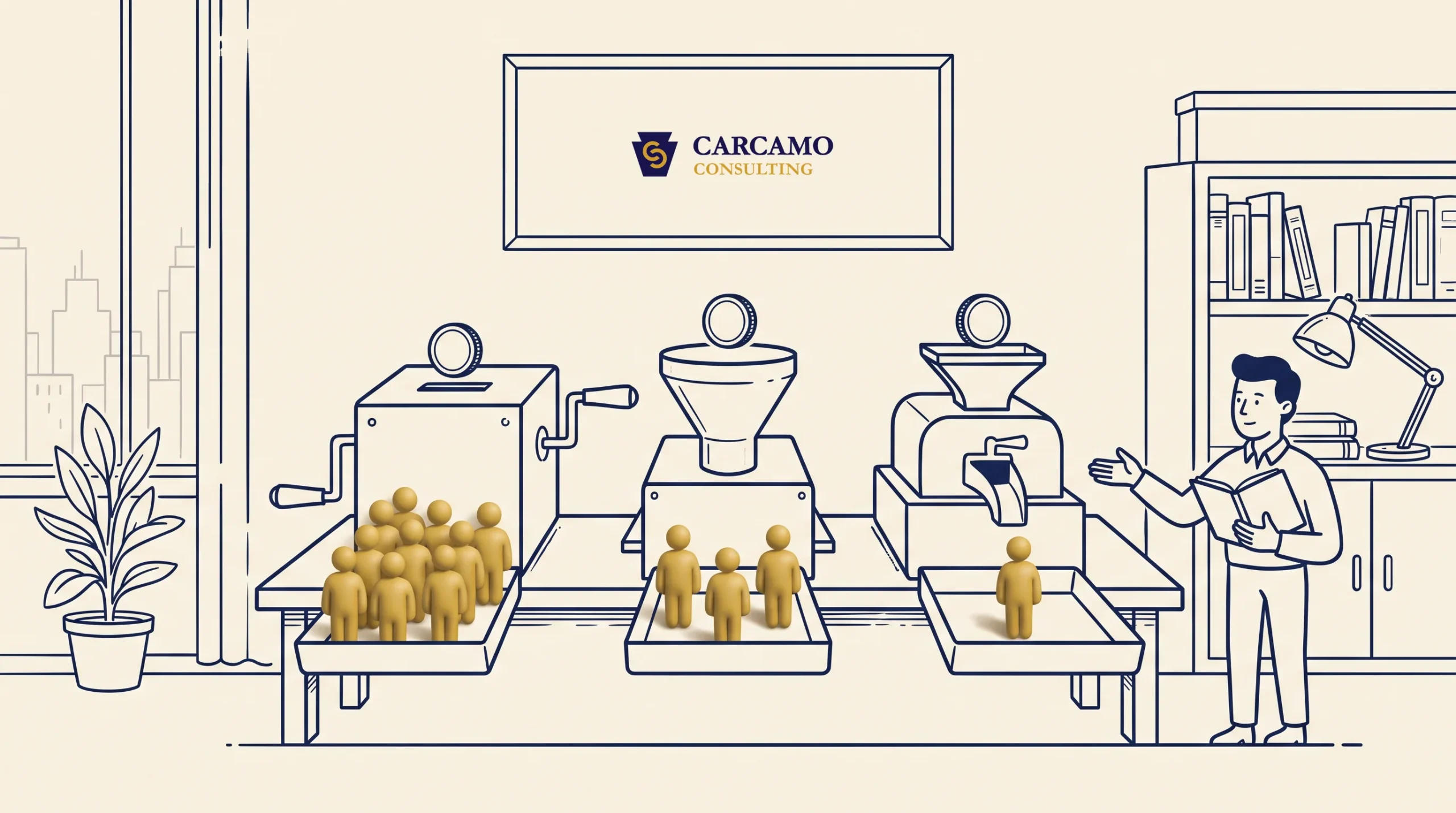

Simply forming an LLC in Pennsylvania doesn’t automatically lower your tax bill. When you set up an LLC, the IRS and the state of Pennsylvania view it as a “pass-through” entity by default. This means the business itself doesn’t pay taxes. Instead, the profits pass directly through to you, the owner.
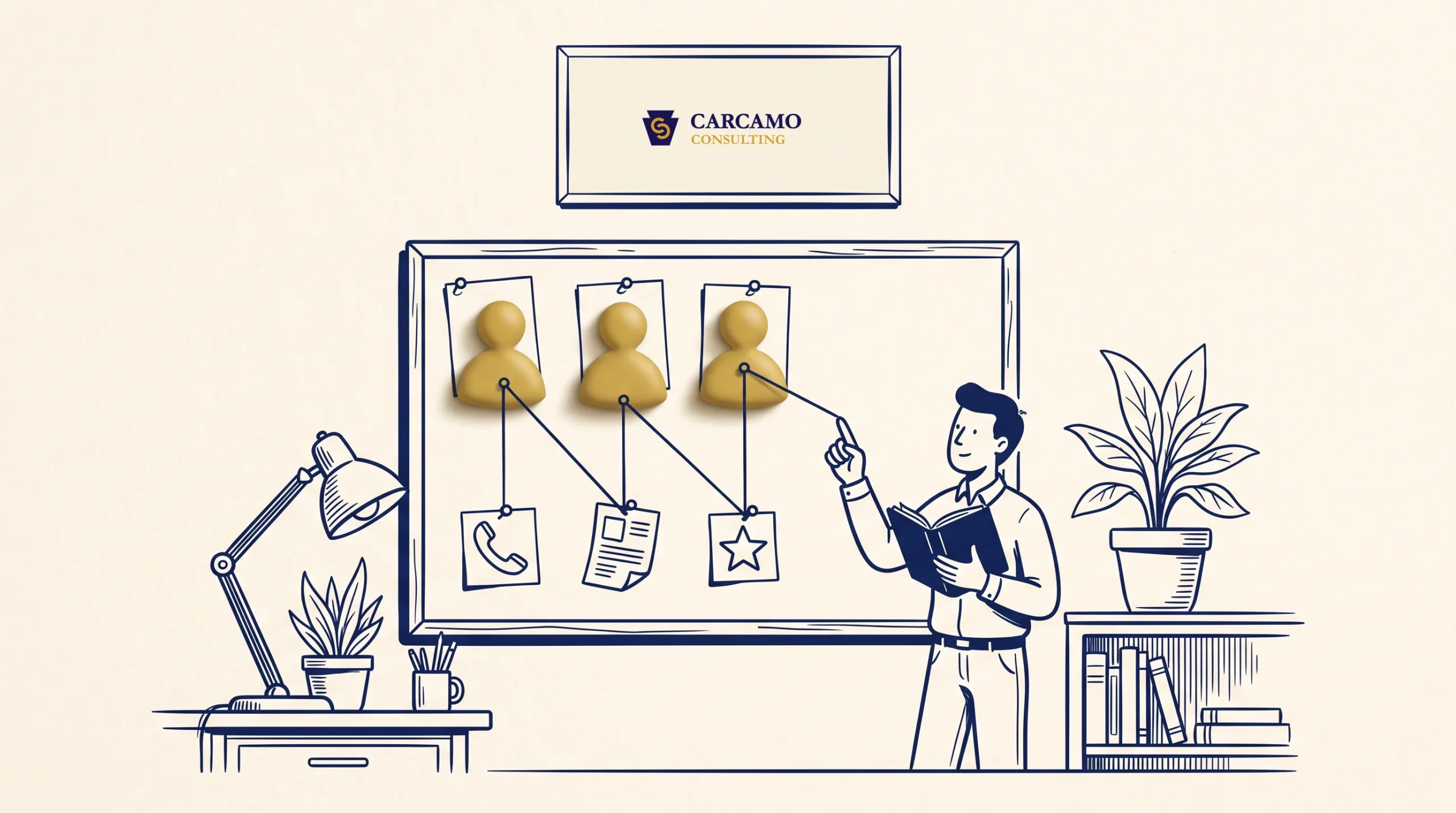
Here is how that actually plays out for your taxes:
In other words, if you make $50,000 as a sole proprietor or $50,000 as a standard LLC owner, your tax bill looks almost identical.
How an LLC can actually save you money on taxes
There is a workaround. The main way an LLC helps you save on taxes is by changing how it gets taxed. You can tell the IRS you want your LLC to be treated as an S-Corporation.
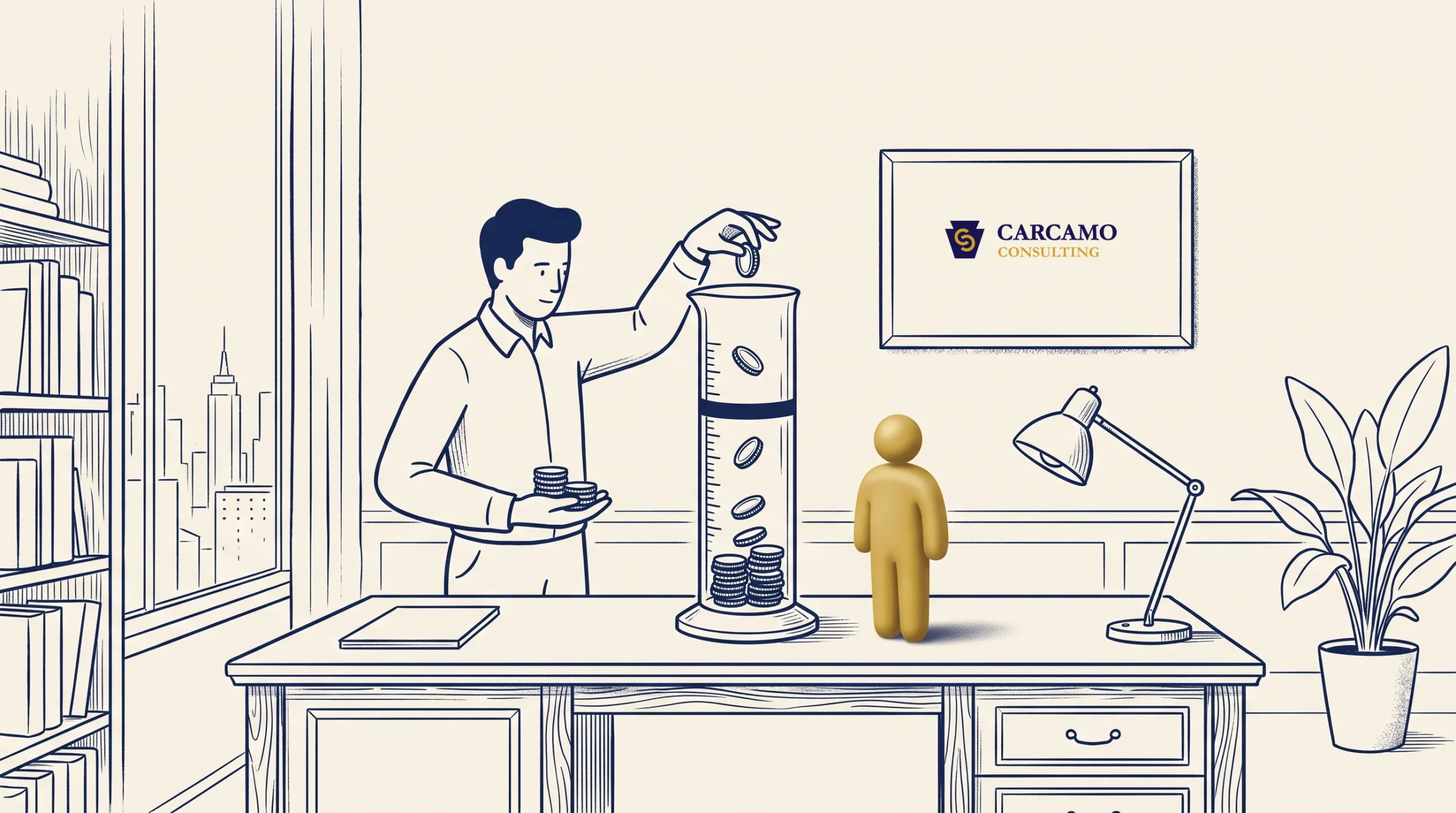
When you do this, you split your income into two categories:
This strategy can save you thousands of dollars a year if your business is bringing in a solid profit. However, running an S-Corp means dealing with payroll and more complicated tax forms. It usually only makes sense once you are making enough money to justify the extra accounting work.
The real reason to get an LLC
If the tax savings aren’t automatic, why do people get an LLC? It comes down to protection.
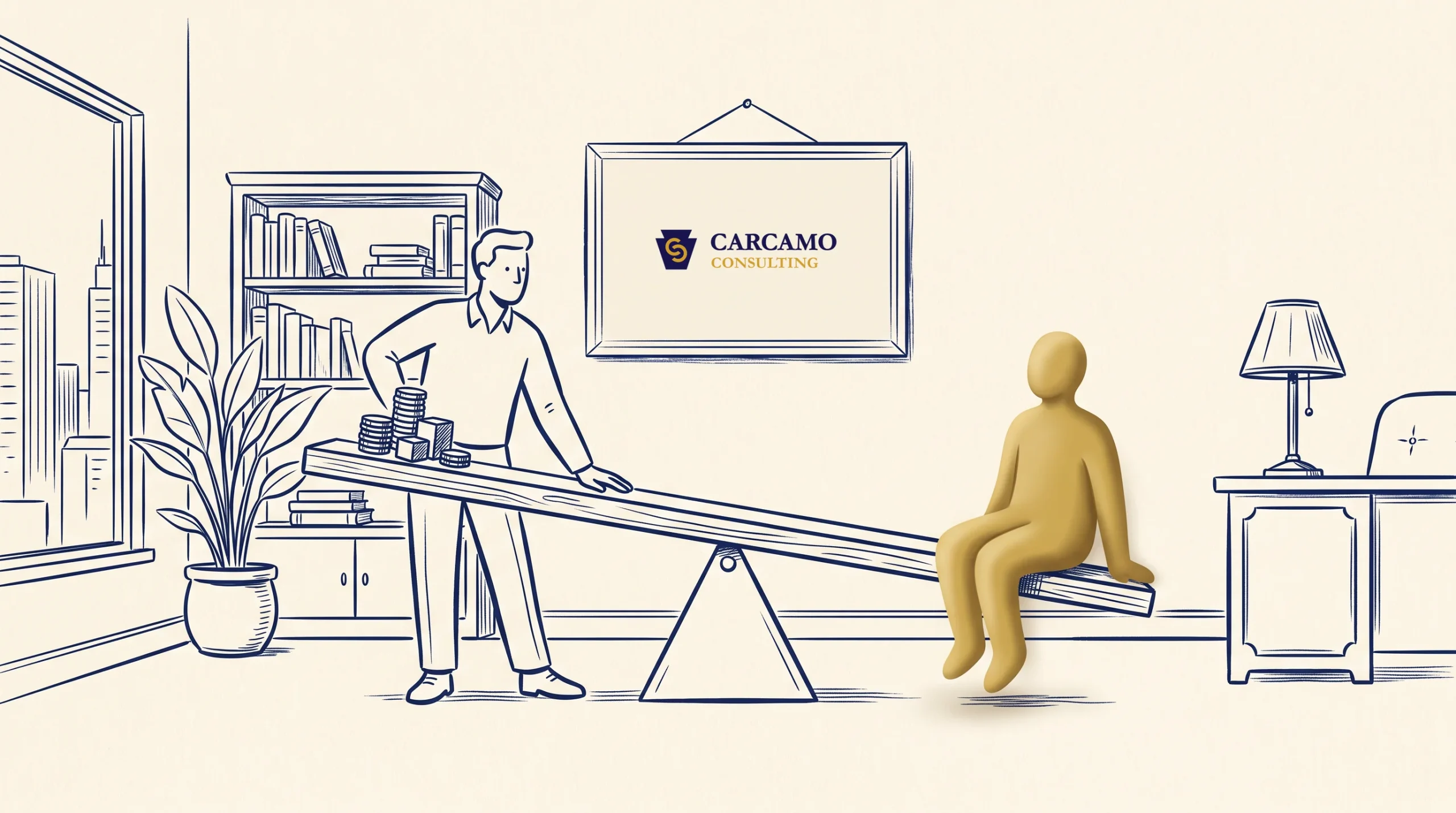
An LLC separates your personal assets from your business. If your business gets sued or goes into debt, your personal bank accounts, your house, and your car are generally protected. That peace of mind is why the LLC is the go-to structure for small businesses. It’s about protecting what you’ve built, even if it doesn’t automatically shrink your tax bill.
 Previous