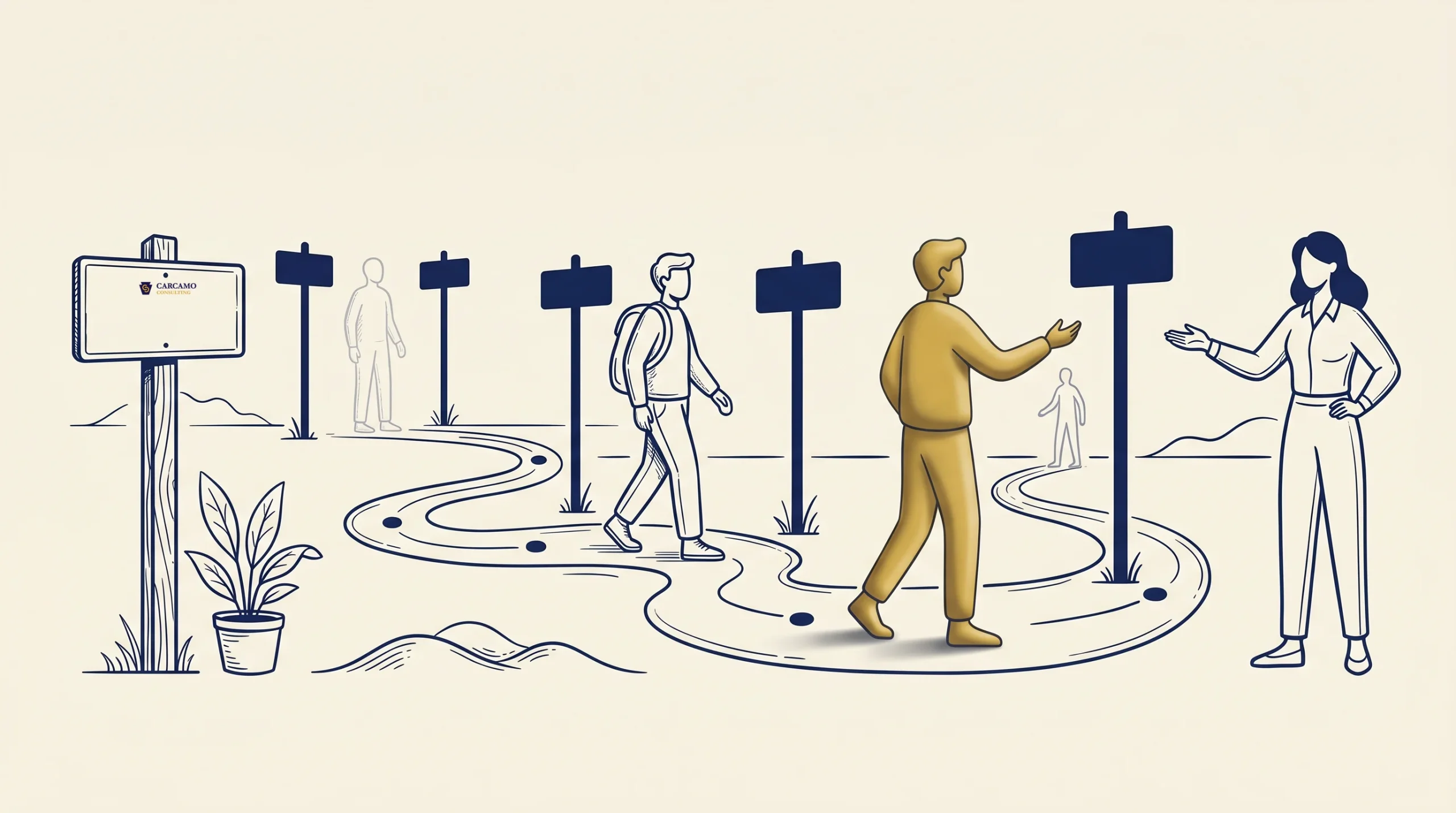
Every customer you have ever had started as a stranger. They did not know your name, your business, or that you could solve their problem. Then something moved them, step by step, from “never heard of you” to “take my money,” and for some of them, all the way to “you have to try this place.”
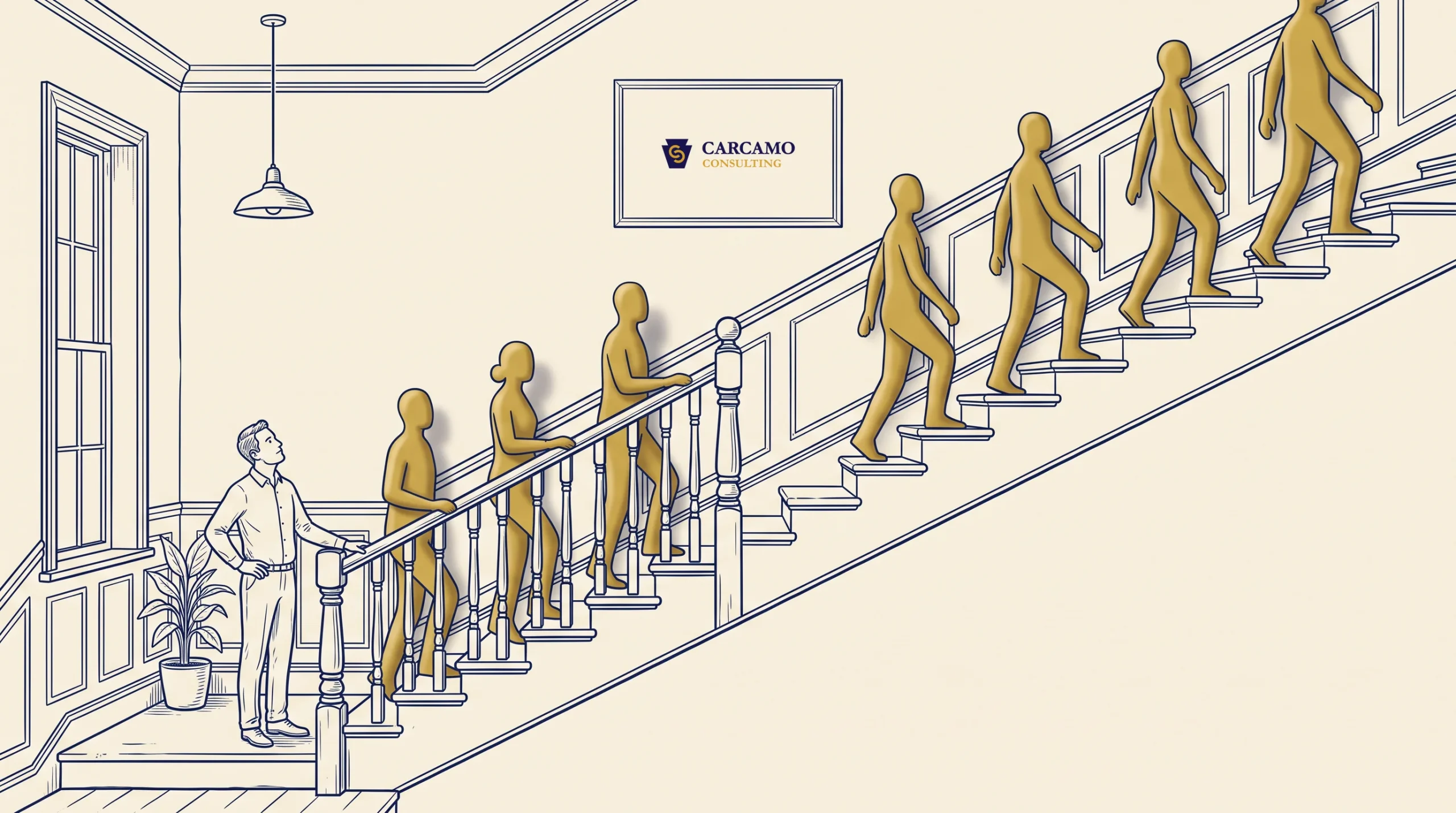
That path has a name. The customer journey is the route a person travels from first hearing about you to buying from you, and ideally to coming back and telling their friends. It usually breaks into five stages: awareness, consideration, decision, retention, and advocacy.
Understanding it matters because it tells you what a person needs from you at each point. Someone who just found you needs something completely different from someone holding their credit card. When you match what you offer to where they are, you stop guessing and start guiding.
This is the map that everything else hangs on. Once you can see the stages, every marketing decision you face, what to post, where to advertise, what to put on your website, has an obvious home.
What the customer journey actually is
The customer journey is the full arc of a person’s relationship with your business, from the moment they become aware you exist to long after their first purchase.
It is not one big leap. People rarely go from “who are you” to “you’re hired” in a single step. They warm up. They notice you, look you over, weigh you against the alternatives, decide, and then form an opinion based on how it went. Each of those is a stage, and each one has a job.
The reason this is useful and not just a diagram on a whiteboard is simple. Most businesses lose people not because their product is bad, but because they treat a stranger like a buyer. They push for the sale before the person trusts them, or they win the sale and then go silent. Knowing the stages keeps you from skipping steps the customer has not skipped.
Before anyone enters the journey at all, it helps to know who you are even trying to reach. The whole path runs smoother when you have a clear picture of your ideal customer and what they actually need. A stranger is not just anybody; it is the right somebody who has not met you yet.
The 5 stages of the customer journey
Here are the five stages, in order, with what the person is thinking and what your job is at each one.
Stage 1: Awareness (they discover you exist)
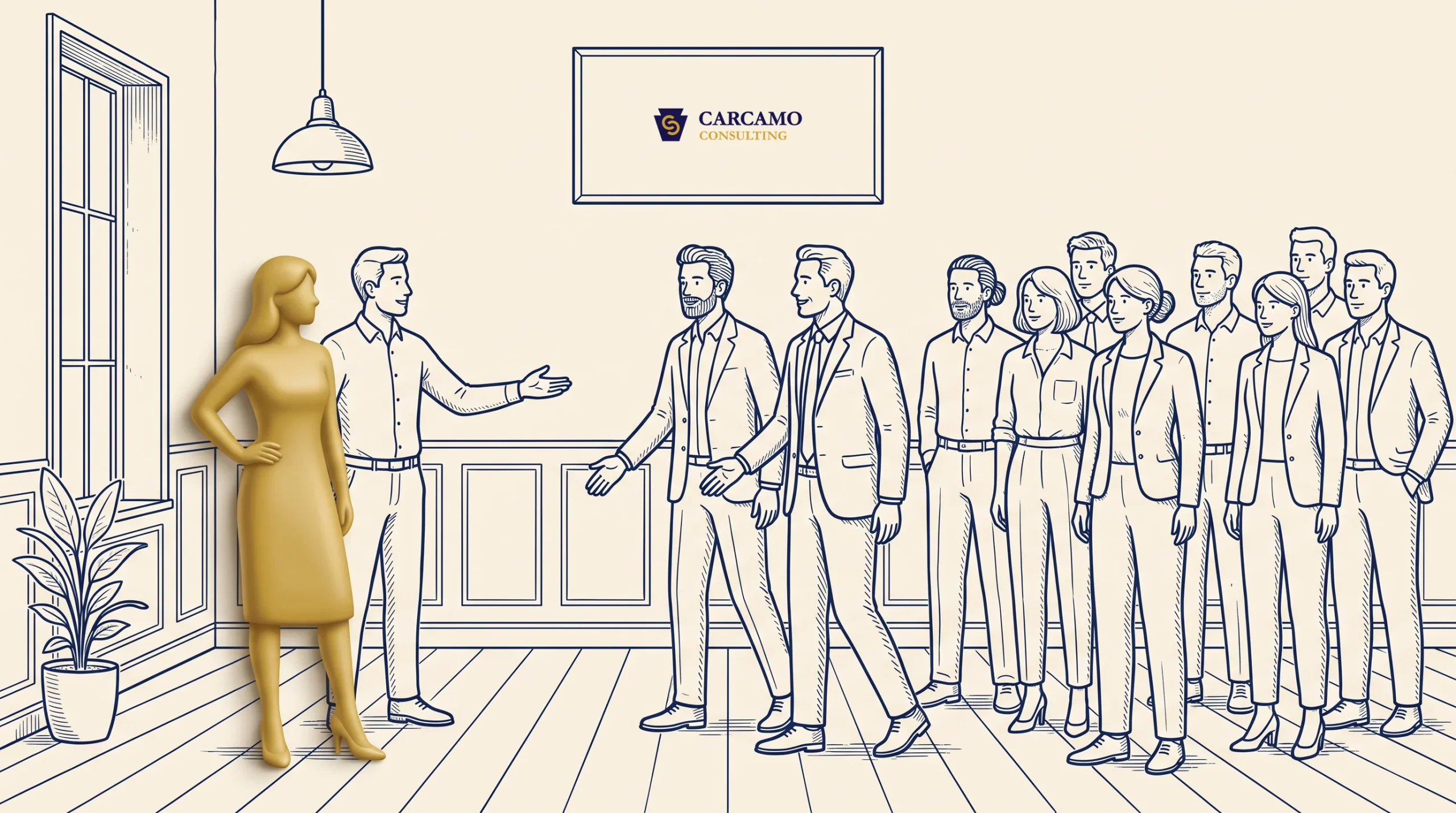
This is the moment a stranger becomes a name that knows your name. They see your sign, find you in a Google search, get tagged in a friend’s post, or stumble on your work somewhere.
At this stage the person is not ready to buy. They might not even have a clear problem yet. They are just becoming aware that you, and businesses like you, are out there.
Your job here is to get found and make a clean first impression. Show up where your future customers already are.
- Be findable when someone searches for what you do
- Be active where your audience spends time, whether that is social media, local groups, or community events
- Make the first thing they see, your profile, your storefront, your homepage, instantly clear about what you do and who you help
This is the stage where the right customer acquisition channels do their heaviest lifting. Awareness is a numbers game, but it is also a clarity game. A confused stranger does not become a customer.
Stage 2: Consideration (they size you up)
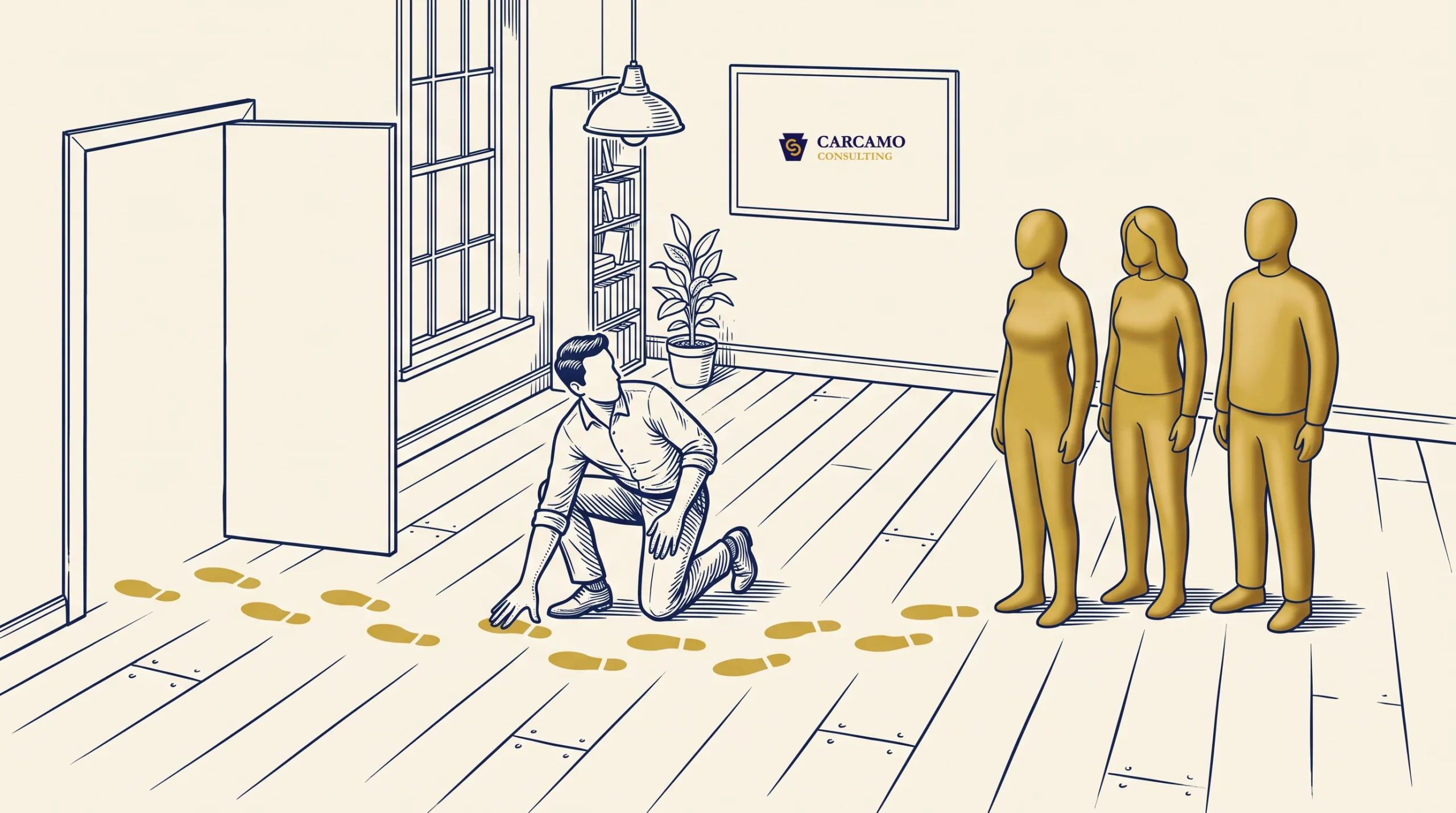
Now they know you exist, and they have a problem worth solving. So they start comparing. They read your reviews, scroll your photos, check your prices, and look at the two or three competitors next to you.
This is where most decisions are quietly made. The person is asking one question over and over: “Is this the right choice for me?”
Your job is to answer that question before they have to ask it. Remove doubt and make the case for you.
- Show proof: reviews, before-and-after photos, examples of past work, real results
- Be transparent about how you work, what you charge, and what they can expect
- Make it dead simple to learn more, with no hoops to jump through
The businesses that win here are the ones that are clear about why they are the right pick. That clarity comes from a sharp value proposition, one sentence that tells the person exactly what they get and why it beats the alternative.
Stage 3: Decision (they buy)
The person has decided you are the one. Now they want to actually do it: book the appointment, place the order, sign the contract.
This stage sounds like the easy part, but it is where a surprising number of sales quietly die. The person is ready, and then the booking form is broken, nobody answers the phone, or the checkout takes ten confusing steps. Friction at the finish line costs you customers you already won.
Your job is to make buying easy. Get out of your own way.
- Make it obvious how to take the next step, and make that step short
- Respond fast; a slow reply at this stage reads as “they do not want my business”
- Remove every unnecessary form field, click, or delay between “yes” and “done”
Stage 4: Retention (they stay)
The sale is not the end of the journey. It is the start of the part that actually pays the bills.
After the first purchase, the customer is forming an opinion: was this worth it, and would I do it again? For most small businesses, especially local ones, the real money is in the second, third, and tenth purchase, not the first.
Your job is to make the experience good enough that they come back. Earn the repeat.
- Deliver what you promised, then a little more
- Stay in touch in a way that is useful, not annoying
- Make it easy to buy again, remember their preferences, follow up, check in
Keeping a customer you already have costs far less than finding a brand-new stranger. Retention is the cheapest growth there is.
Stage 5: Advocacy (they bring you more strangers)
This is the stage everyone wants and few plan for. A happy customer tells other people. They leave a glowing review, tag you in a post, or hand your name to a friend who needs exactly what you do.
When that happens, your customer becomes your marketing. They start other strangers’ journeys for you, and a referral arrives already half-convinced because someone they trust vouched for you.
Your job is to make it easy and worth it to spread the word.
- Ask for the review or the referral, most happy customers simply never think to
- Make sharing simple: a link, a tag, a quick word-of-mouth nudge
- Give people something worth talking about in the first place
For a local business in a place like Wilkes-Barre or anywhere word travels fast, advocacy is not a nice bonus. It is often the single biggest source of new work, because neighbors trust neighbors more than they trust any ad.
Customer journey vs sales funnel: what is the difference?
People mix these up constantly, so here is the clean version.
A sales funnel is the view from your side of the counter. It is about your business: how many leads came in at the top, how many turned into customers at the bottom, and where they dropped off. It is a numbers picture built around the sale.
The customer journey is the view from the customer’s side. It follows the actual person, their questions, their doubts, their experience, including everything that happens after the sale, like whether they come back and refer others.
The funnel asks “how many converted?” The journey asks “what was it like to be them?” You need both, but the journey is the one that tells you why your funnel leaks. Fix the experience at the stage where people get frustrated, and the funnel numbers improve on their own.
How to map your own customer journey in five minutes
Mapping sounds like a corporate exercise with sticky notes and a consultant. For a small business, it does not have to be. You can sketch a useful version on a napkin.
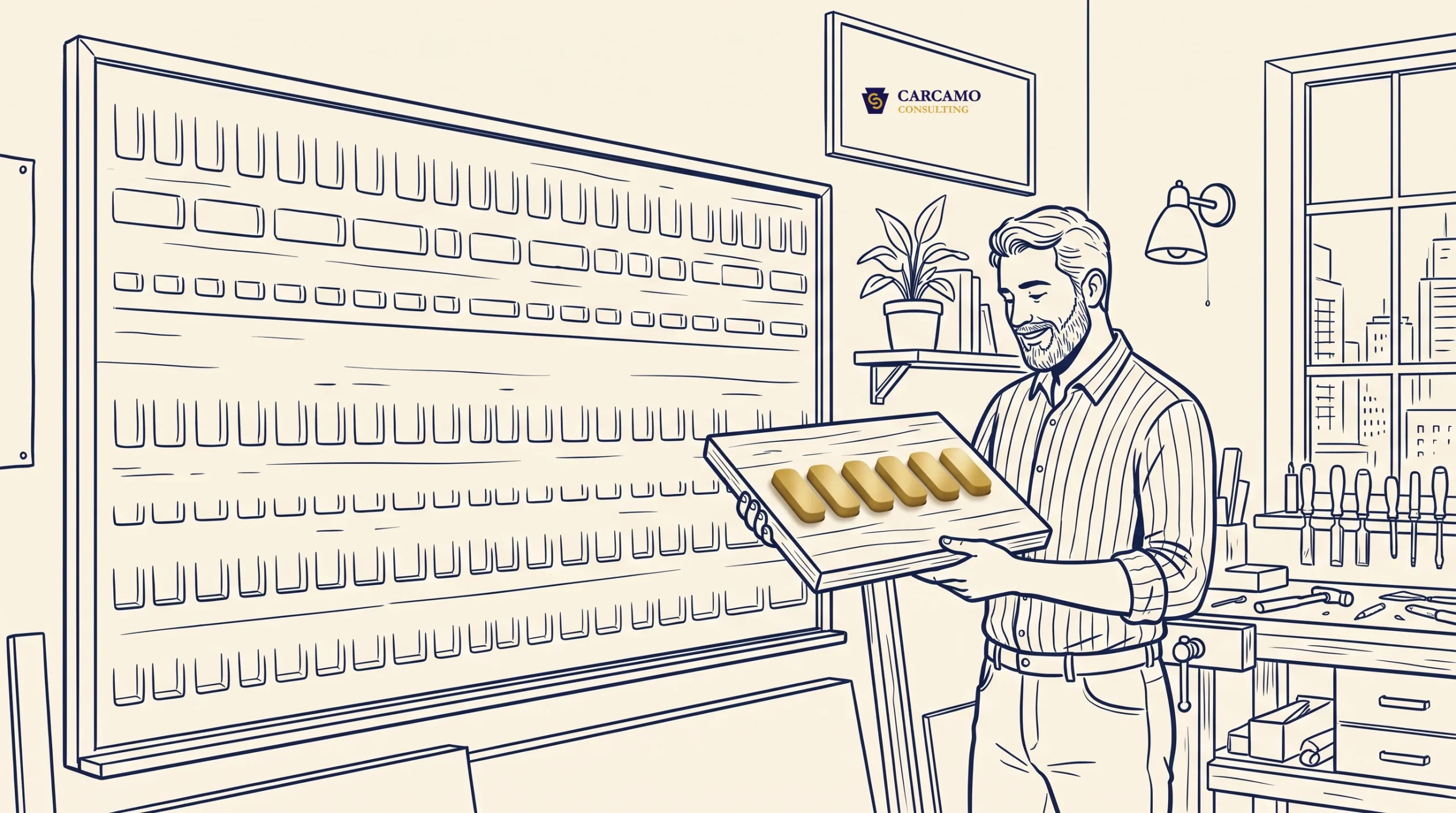
- Write the five stages across the top: awareness, consideration, decision, retention, advocacy.
- Under each one, write how a real customer actually moves through it. Where do they first hear about you? What do they look at before they buy? How do they actually book or order?
- For each stage, write what you currently do to help them along. Be honest. Some boxes will be empty.
- Circle the weakest stage. The empty box, or the one where you know people slip away. That is where your next bit of effort should go.
That is the whole exercise. The value is not a pretty chart. It is seeing, in one glance, which stage is leaking and deserves your attention first. Most owners discover they have poured everything into awareness and almost nothing into retention, or the reverse.
If you want the bigger-picture version of how all of this fits together, our complete playbook for getting customers walks through the moves stage by stage.
Why this matters for a small business
You do not have an unlimited budget or a marketing department. That is exactly why the journey is worth understanding: it tells you where your limited time and money will do the most good.
When you know the stages, you stop spending on the wrong thing. You stop running ads to send strangers to a website that does not build trust. You stop chasing brand-new customers while quietly ignoring the loyal ones who would happily buy again. You aim your effort at the stage that is actually holding you back.
The journey is not theory. It is the difference between marketing that feels like throwing money at a wall and marketing that feels like guiding someone, step by step, from “never heard of you” to “I send everyone here.”
Frequently asked questions
What are the 5 stages of the customer journey?
The five stages are awareness (they discover you), consideration (they compare you to other options), decision (they buy), retention (they stay and buy again), and advocacy (they refer others). Some models stop at three stages, awareness, consideration, and decision, but the last two are where most of the long-term value for a small business lives.
What is the difference between a customer journey and a sales funnel?
A sales funnel measures your business: how many leads enter and how many convert. The customer journey follows the person: their questions, their experience, and everything that happens after the sale, including repeat purchases and referrals. The funnel tells you how many people convert; the journey tells you why.
What is the difference between the customer journey and the buyer’s journey?
The buyer’s journey usually refers to just the path up to the purchase: awareness, consideration, and decision. The customer journey is broader. It includes what happens after someone buys, which is where retention and advocacy come in. If a term covers referrals and repeat business, it is the customer journey.
What is the first stage of the customer journey?
Awareness. It is the moment a stranger first becomes aware that your business exists, whether through a search, a recommendation, a social post, or simply walking past your storefront. Nobody can consider or buy from a business they have never heard of, so awareness always comes first.
How do you map a customer journey?
Write the five stages across a page, then under each one note how a real customer actually moves through it and what you currently do to help them. Circle the weakest stage, the one where people drop off or where you do nothing, and fix that one first. For a small business, this takes about five minutes and does not require any special software.
Is the customer journey always linear?
No. People skip stages, loop back, and stall. Someone might hear about you and buy the same day, or research you for months before deciding. The five stages are a useful order to think in, not a track everyone rides in lockstep. Treat them as a checklist of what people need, not a fixed timeline.
Why does the customer journey matter for a small business?
Because it shows you where your limited time and money will do the most good. Instead of spreading effort thin or copying what big companies do, you can find the one stage that is holding your business back, an unclear website, slow replies, no follow-up, and fix that first. It turns marketing from guesswork into a clear sequence of steps.
Knowing the stages is the first step. Putting the right move in each one is where the growth happens, and that is the part most owners get stuck on. If you are not sure which stage is costing you customers, that is exactly the kind of thing we help local business owners untangle. Send us your question and a real person will help you map it out.
 Previous