The offers that bring in new customers worth keeping all do the same thing: they remove the risk of trying you without cutting what you charge. A free add on, a no risk first visit, or a small sample of the work will earn you better customers than 30 percent off, because a discount solves a price objection most of your prospects never had.
One number in your own books decides whether an offer pays for itself, and it isn’t the discount percentage.
Why Most Small Business Offers Lose Money
An offer fails for one of two reasons, and owners almost always blame the wrong one.
The first is arithmetic. If your gross margin on a job is 40 percent and you take 30 percent off the price, you haven’t given away 30 percent of anything, you’ve given away roughly three quarters of your profit on that job. At 50 percent off you’re often below what the job costs you to perform, which means every redemption makes you poorer.
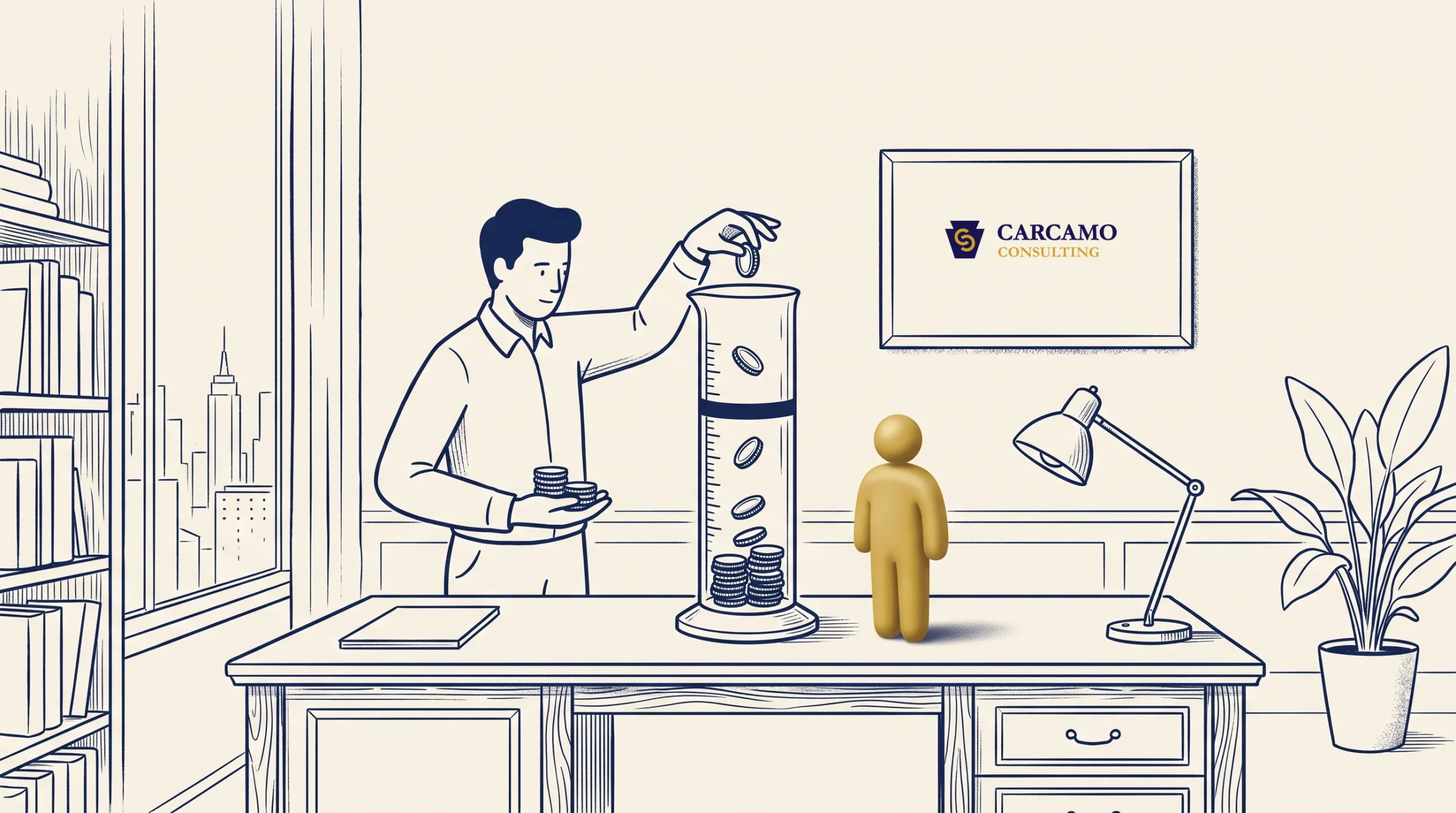
Run it on a real number. A $400 service that costs you $240 in labor and materials earns $160. Knock 30 percent off and you collect $280 against the same $240 of cost, so you keep $40. You just worked the same job for a quarter of the money.
The famous version of this is a bakery owner in Portland who ran a daily deal in 2011: $40 of cupcakes for $10, with no cap on how many people could buy it. Around 8,500 people bought. She lost roughly $20,000 and later called it her worst business decision. The problem wasn’t the discount by itself. It was an uncapped discount priced below what the work cost her to deliver.
The second reason is who the offer attracts. A price led offer selects for people who care most about price. Those are the customers most likely to take the deal once, never return at full rate, and be hardest to please in the meantime. A survey of merchants who ran daily deals found only about 4 percent called the result highly profitable, while roughly a third lost money outright.
Neither problem means offers don’t work. Both mean an offer needs a structure.
The Four Kinds of First Time Offers
Almost every offer a local business can make falls into one of four shapes, and they behave very differently.
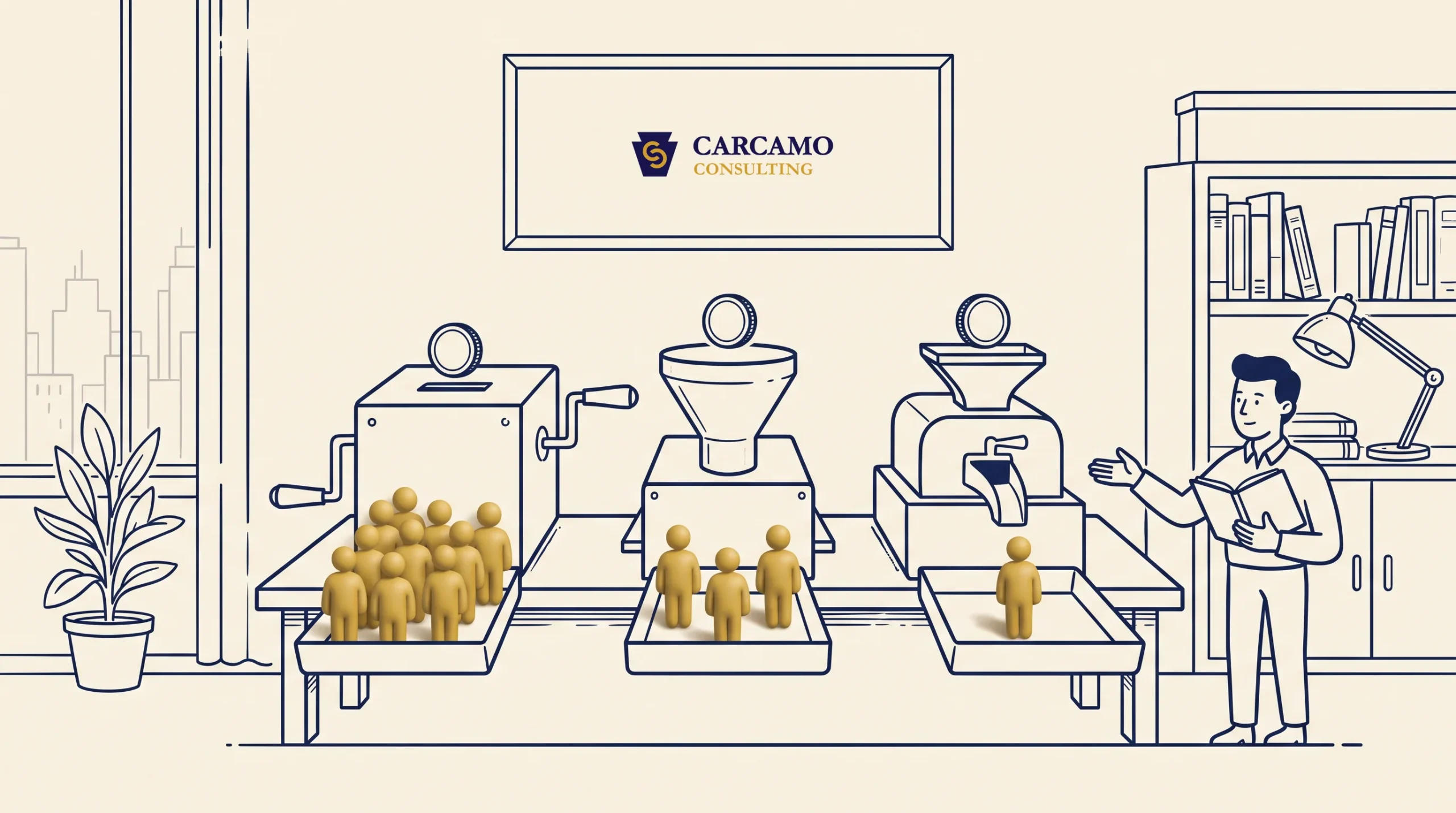
A free trial or sample of the work. A first visit, a small starter job, a one room version of the full service. You give away time and materials but you never quote a lower price, so your rate card stays intact. Best when the reason people hesitate is that they don’t know if you’re any good.
A discount. Money off the price, whether as a percentage, a flat amount, or a coupon. Simple, fast, and the only one that touches your actual pricing. Best when the prospect wants what you do and genuinely can’t stretch to it right now.
A value add or bonus. Same price, more in the box. A free follow up visit, an upgraded material, a maintenance check thrown in at ninety days. This is the most underused option and usually the smartest, because you give away something whose cost to you is much lower than its value to them.
A guarantee or risk reversal. No discount at all. You simply take the risk off the customer: fix it free if they aren’t happy, no charge if you can’t solve it, no deposit until the work starts. Costs you nothing unless you underperform.
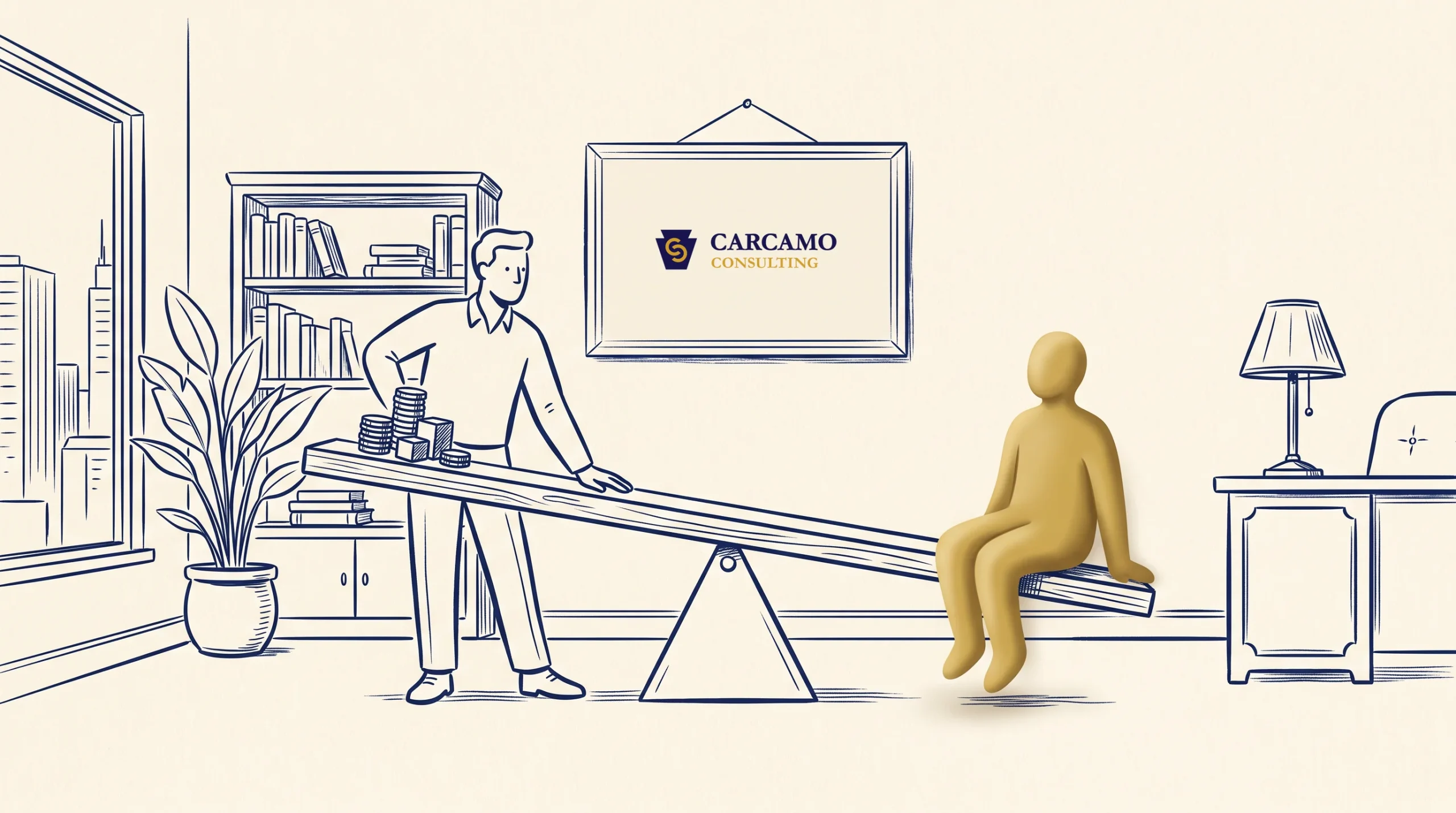
The gap between those last two and a straight discount is worth sitting with. A bonus item you buy at wholesale for $18 might read to a customer as $60 of value, so you’ve handed over $60 of perceived generosity for $18 of real cost. A $60 discount costs you exactly $60, straight off the bottom line, and buys you no goodwill you couldn’t have bought cheaper. Same apparent gesture, wildly different arithmetic.
| Offer type | What it costs you | What it signals | Use it when |
|---|---|---|---|
| Free trial or sample | Labor and materials, once | Confidence in the work | They doubt your quality |
| Discount | Direct margin on every job | Your price was flexible | Budget is the real blocker |
| Value add or bonus | Wholesale cost of the extra | Generosity, not desperation | You want volume without cutting rate |
| Guarantee | Nothing, unless you fail | You stand behind it | Trust is the barrier |
Match the Offer to the Real Objection
An offer is a key, and there are only three locks worth opening. Pick the wrong one and nothing turns.
If they don’t believe you can do it, discounting is useless. Cheap uncertain work is still uncertain work, and a lower price on something they doubt just makes them doubt harder. Use a sample, a guarantee, or proof.
If they believe you but can’t afford you right now, a discount or a payment structure is the honest answer. This is the narrow case where money off is the correct tool.
If they believe you and can afford you but keep putting it off, nothing about price will move them. What moves inertia is a deadline and a small nudge of extra value: book by the fifteenth and the follow up visit is included.
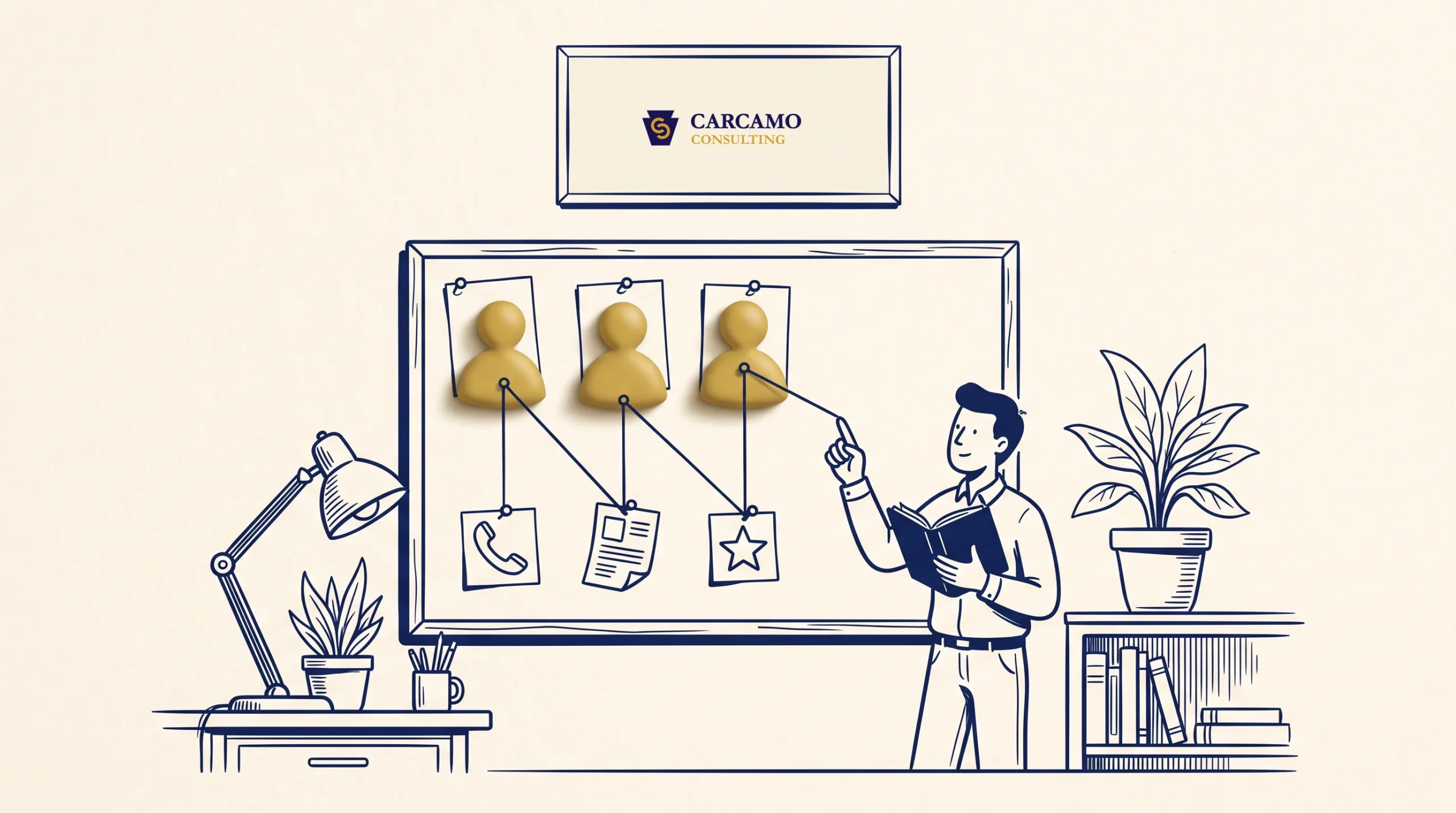
You can usually tell which lock you’re facing by what people say when they go cold. Prospects who ask for references, want to see past work, or keep asking clarifying questions are stuck on doubt. Prospects who ask about payment plans, compare quotes line by line, or ask what they can leave out are stuck on money. Prospects who say it all sounds good and then vanish for six weeks are stuck on nothing but their own calendar.
Most owners assume they’re in the second case. In practice, for a service where the work is invisible until it’s done, most prospects are in the first or third. If you’re getting inquiries that go quiet rather than people telling you you’re too expensive, the problem isn’t price, and a coupon won’t fix it. There’s more on separating a real price objection from a stalled one in how to handle “it’s too expensive” and other objections.
How to Design Offers That Bring in New Customers, Not Bargain Hunters
Five structural choices separate an offer that builds a customer base from one that just moves cheap work through your calendar.
- Cap it. Put a number on it: first twenty customers, first thirty jobs, this month only. An uncapped offer is an open ended liability, and the cap is itself a reason to act now.
- Give a thing, not a percentage. “A free filter change with your first service” reads as generous. “15 percent off” reads as a price you were previously overcharging. The thing usually costs you less, too.
- Make it expire, and mean it. An offer with no end date trains people to wait. If you extend it twice, the next one carries no weight at all.
- Attach it to the second purchase, not the first. A credit toward the next job filters out the one and done crowd automatically, because only people who intend to come back find it valuable.
- Never discount your headline service. Discount the entry point, the add on, or the smaller version. Once your main service has a public sale price, that becomes its price in the customer’s mind permanently.
One more thing that costs nothing: put the full price next to the offer price so the value is visible. An offer only reads as generous against a number, which is one reason your regular pricing needs to be clear in the first place. Packaging your pricing so people say yes does more of that work than any coupon will.
The Number That Tells You Whether the Offer Worked
That number is the share of offer customers who come back and buy again at full price.
Call it the repeat rate, and it is the only measurement that answers the actual question. Redemptions tell you the deal was appealing, which you already knew: anything cheap enough gets redeemed. What you need to know is whether you bought customers or bought transactions.
Work it like this. Ninety days after the offer closes, count how many people who used it have purchased again at your normal rate. If forty of a hundred came back, the offer bought you forty real customers and you can weigh that against what the promotion cost you. If four came back, you ran a very expensive sale and got almost nothing durable out of it, no matter how good the redemption numbers looked in week one.
Two things follow from that. First, you can only measure it if you captured contact details at redemption, so build that into the offer from the start rather than discovering later that you have no idea who those people were. Second, the comparison you’re making is between the promotion’s cost and the value of the customers it kept, which means you need to know what a customer is actually worth to you before the offer runs, not after.
A repeat rate under about 20 percent is a signal the offer selected for the wrong people. Change its structure, not its size.
When Not to Run an Offer at All
Three situations where the right move is to skip it.
You’re already at capacity. An offer that fills a calendar you can’t service produces late jobs, rushed work, and bad reviews, and you paid a discount for the privilege. Raise your price instead.
You have no follow up. If nobody contacts an offer customer afterward, the repeat rate will be near zero by default and the whole exercise is a giveaway. Get the follow up working first; the mechanics are in turning leads into paying customers.
Your margin can’t take it. If you don’t know your gross margin per job, you can’t know what an offer costs you, and running one blind is how owners discover in March that a strong February lost money. Work the margin out first. Take your three or four most common jobs, subtract the labor hours and materials each one really consumes, and write the remaining number on the wall. That figure is the ceiling on every offer you will ever make, and knowing it turns promotion planning from a guess into a decision. It’s an afternoon of arithmetic that will outlive every promotion you ever run.
Frequently Asked Questions
How much of a discount should I offer new customers?
If you use a discount at all, keep it under about 20 percent of the price, and check that number against your gross margin first. On a job with a 40 percent margin, a 20 percent discount already costs you half your profit. Below roughly 10 percent most customers don’t notice, so a small percentage is often worse than no discount plus a bonus item.
Do discounts attract the wrong customers?
Price led offers select for price led buyers, so a discount tends to bring in people who came for the deal rather than for you, and they return at lower rates. The fix isn’t a smaller discount, it’s a different structure: give an extra service, a guarantee, or a credit toward the next job instead of money off the first one.
Is a free trial better than a discount for a service business?
Usually, because the two solve different problems. A trial or sample answers “is this any good,” which is the real hesitation for most service work, and it does it without ever putting a lower number on your service. A discount answers “can I afford this,” which is a genuine but much less common blocker.
Should I run a Groupon or daily deal?
Be careful. Deal sites typically take a share of already deep discounts, which often pushes the net below what the job costs you to deliver, and the audience is built around finding the next deal. If you try one, cap the number sold and confirm the amount you actually receive still clears your variable cost per job.
How long should a first time offer run?
Two to four weeks is enough for most local businesses. Long enough that people who only check in occasionally still see it, short enough that the deadline means something. Anything running longer than a season stops being an offer and becomes your price.
Can I offer a discount without cheapening my brand?
Yes, if you give a reason and an edge. A discount tied to something specific, a new service launch, a slow month, a neighborhood you’re expanding into, reads as a business decision. An unexplained discount reads as either desperation or an admission that your normal price was padded.
How do I stop customers expecting a discount every time?
Make offers occasional, dated, and tied to a stated reason, and never repeat the same one on a predictable schedule. If customers can guess when the next sale lands, they’ll simply hold off until it arrives, and you’ve turned your promotion calendar into your pricing.
Pick one offer, cap it, put an end date on it, and check the repeat rate ninety days after it closes. That single loop will teach you more about your customers than a year of guessing at promotions.
If you’re weighing an offer and want to work through the margin before you commit to it, or you tried one that brought in the wrong crowd and you’re not sure what to change, send us your question. We run local businesses too, and we’ll tell you what the numbers actually say.
 Previous