
Most owners lose the sale before they ever say a number. They quote one flat price, off a menu of services nobody asked to see, and then wait to find out if it landed. When it does not land, they assume the price was too high. Usually the price was not the problem. The package was.
People do not say yes to a number. They say yes to a decision that feels easy, clear, and safe to make. How you package your pricing and offers decides whether that decision feels easy or feels like a risk.
Why “It Depends” Kills the Sale
When a prospect asks how much your service costs, and your honest answer is “it depends,” you have already lost momentum. Not because the price is wrong. Because the prospect now has to do extra work to get a real answer, and most people will not do that work.
They will go get a number from someone else instead.
A single custom quote for every job feels flexible to you and feels like uncertainty to them. Every “it depends” adds a question mark to a decision that was supposed to feel simple.
Packaging fixes this before the conversation even starts. A defined set of options tells the prospect three things instantly: what they get, what it costs, and that the price is the same for everyone. That last part matters more than owners usually realize. Consistency reads as trustworthy. A moving number reads as a negotiation.
The Real Reason People Say No to Your Price
A “that’s too expensive” almost never means the number itself is wrong. It usually means one of three things: the prospect does not understand what they are actually getting, they cannot compare your offer to anything else on the table, or they are being asked to make a bigger decision than they came in ready to make.
Think about the last time you turned down a quote. It probably was not because you did the math and it did not add up. It was because the offer felt vague, or it felt like all or nothing, or you could not tell what you would be giving up if you said no. That is exactly what your prospects feel when your only offer is one price for one big scope.
This is also why price objections and packaging problems are the same problem wearing two different names. If you are handling a lot of “it’s too expensive” pushback on calls, the fix usually is not a better rebuttal. It is a better structure for the offer itself. For the calls where the objection still shows up anyway, handling “it’s too expensive” and other objections walks through exactly what to say in the moment.
How to Package Your Pricing and Offers So People Say Yes
Once you package your pricing and offers correctly, the prospect stops evaluating whether to buy and starts evaluating which option to buy. That shift, from “should I” to “which one,” is the entire game.
Build three packages, not one price
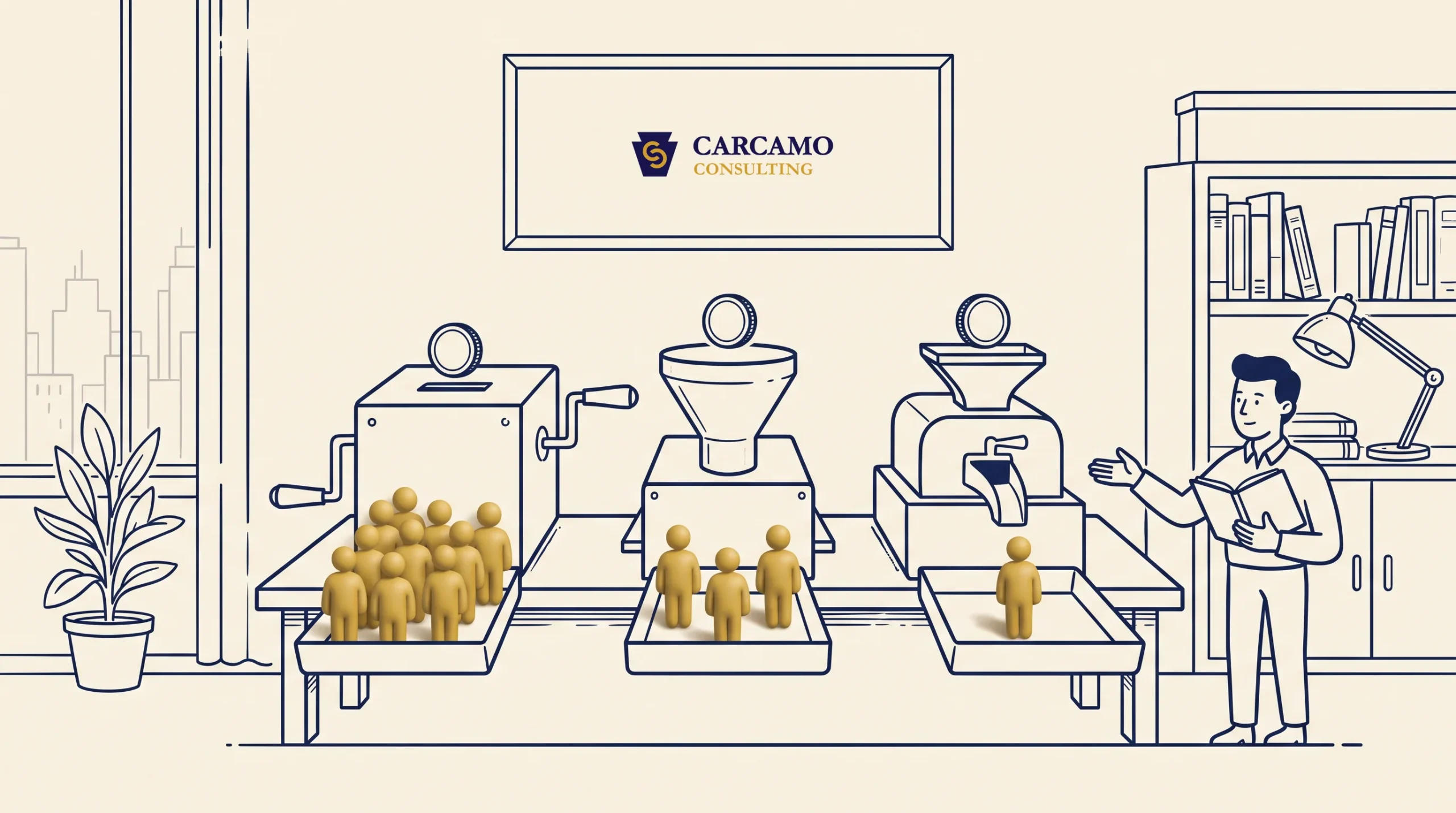
Three options is the number that works best for most small service businesses. One option forces an all or nothing decision, which is the hardest kind of decision to make. Five or more options creates decision fatigue, and a confused prospect does not buy, they stall.
A simple structure to start from:
- Starter: the smallest version of the result you deliver, priced to be an easy first yes
- Standard: the version most people actually need, priced as your true anchor
- Premium: the full version with everything included, priced high enough to make Standard look reasonable
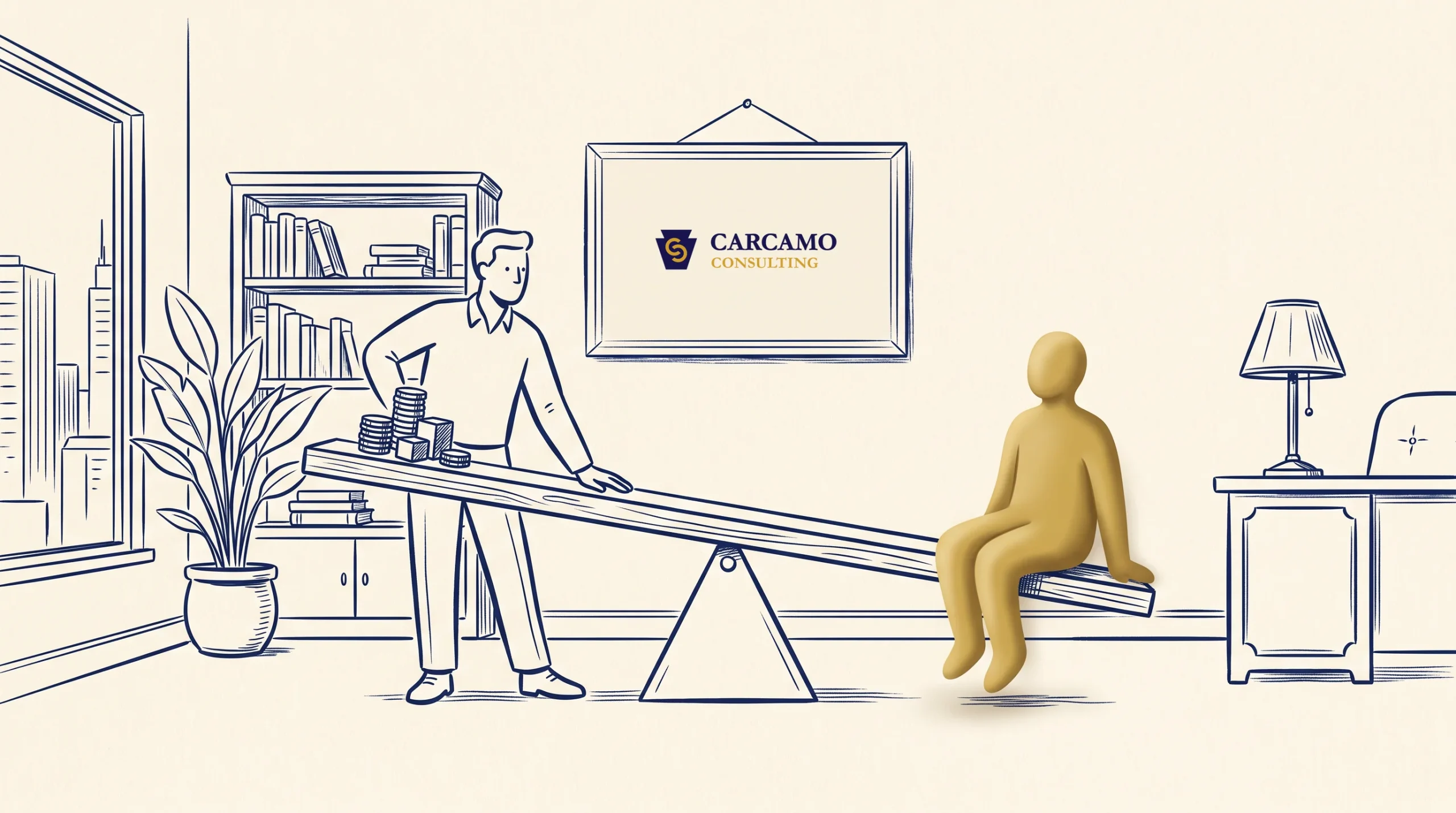
A useful pricing ratio to build around is roughly 70/100/150. If your Standard package is $1,000, your Starter lands near $700 and your Premium near $1,500. The gap between Starter and Standard should feel small enough that upgrading is an easy call. The gap between Standard and Premium should feel big enough that most buyers settle there on their own.
Here is how that looks for a real service business. A remodeling contractor selling a kitchen refresh might set a Starter package at cabinet refacing and new hardware only, a Standard package that adds countertops and a backsplash, and a Premium package that adds new flooring and lighting. Same crew, same visit, three clearly different outcomes at three clearly different prices. The prospect is no longer deciding whether to hire a contractor. They are deciding how much kitchen they want.
Name each option instead of Package A, B, and C
“Basic,” “Plus,” and “Premium” describe tiers. They do not describe outcomes. Where you can, name each package after what the client actually gets or the result they walk away with: “Launch,” “Grow,” “Scale,” or something specific to your service. A name gives the prospect a mental shortcut, and shortcuts speed up decisions.
Make the middle one obviously the smart choice
Your Standard package should be the one you genuinely want most prospects to buy. Everything about how you present it should make that clear: a “most popular” label, a slightly bigger box on the page, or simply being the one you talk about first and longest.
This is not a trick. It works because the middle option is usually the actual right fit for most of your customers, and pointing at it saves them the work of figuring that out themselves.
Show the price with the value beside it
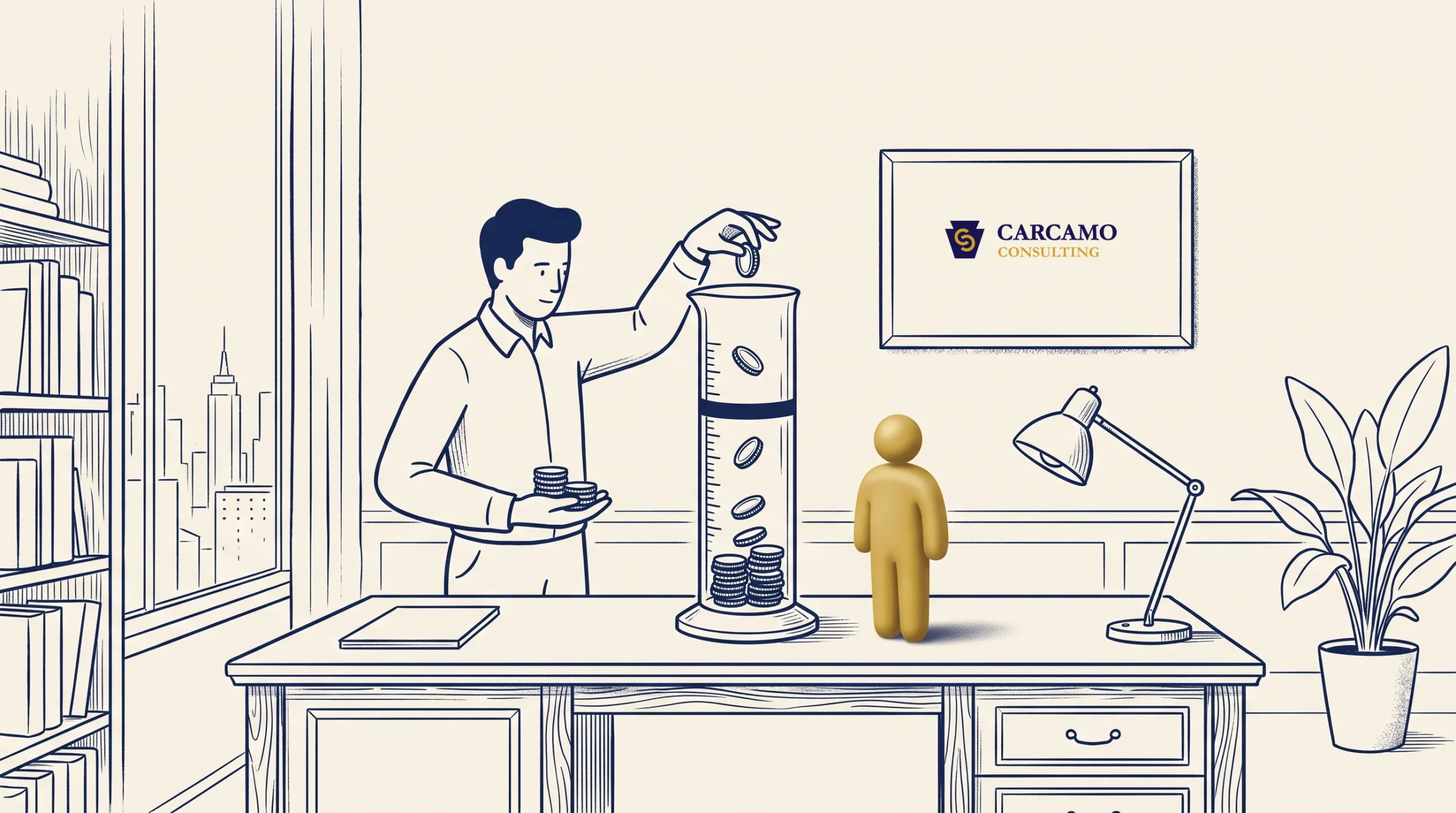
Never let a price sit on the page or in an email with nothing next to it. Every number needs a short line of what it buys: what is included, what problem it solves, what the client walks away with. A price with no context invites the prospect to compare it only to a lower number somewhere else. A price with value attached invites them to compare it to what they actually get.
What to Include in Every Package
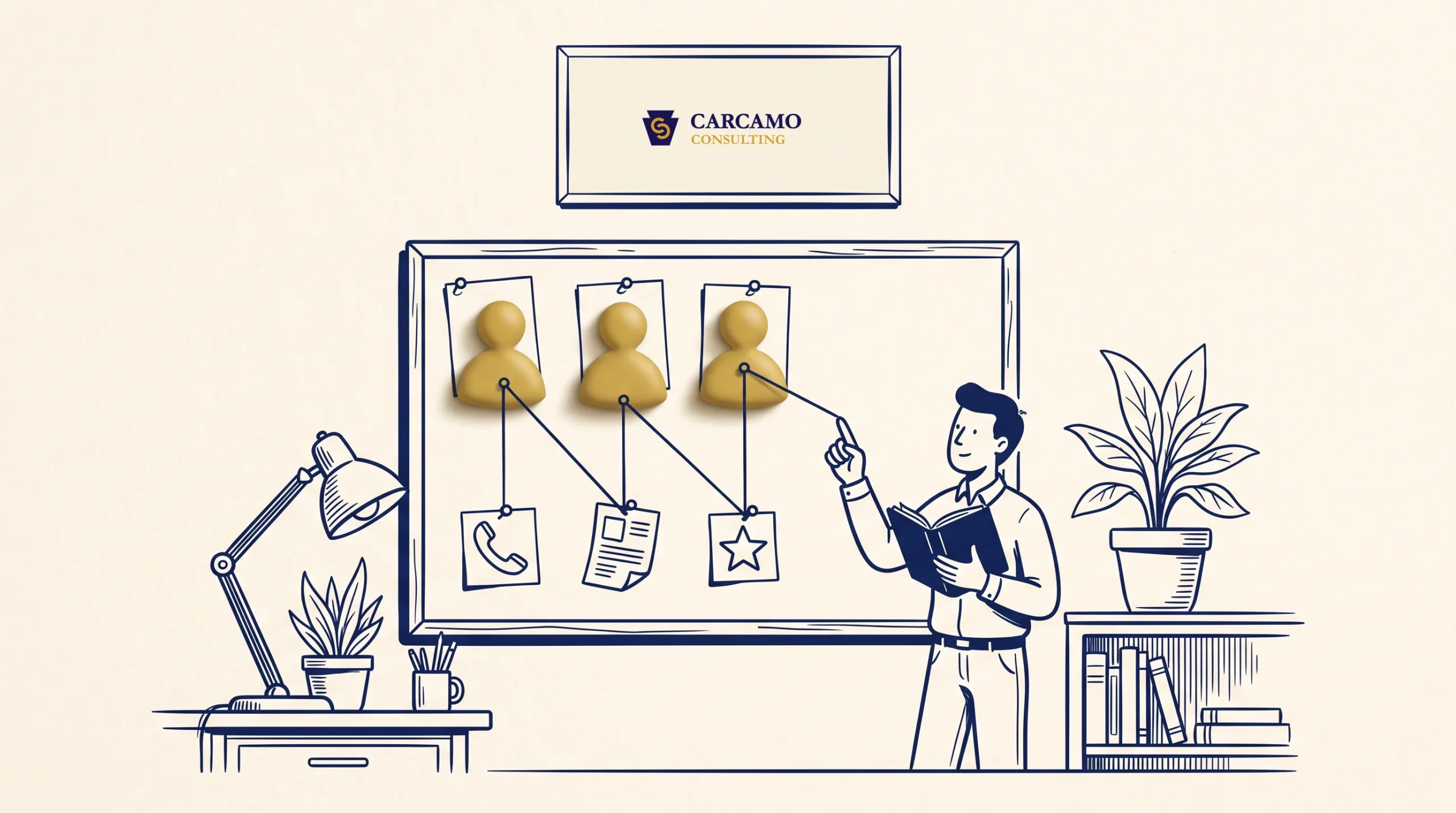
Bundling related services under one price does two things: it makes the offer feel like a deal instead of a menu, and it removes the friction of the prospect trying to assemble their own scope from a list of extras.
For every package, spell out:
- What is included, in plain language, not internal jargon
- What is not included, so nobody feels surprised later
- Timeline, so the prospect knows what “yes” actually commits them to
- What you need from them, since packages that require the client to do their part should say so up front
- How and when they pay, so money never becomes a surprise conversation after the work has already started
That last point about scope matters more than owners think. A prospect who cannot answer “what am I responsible for and how do we get from here to the result” will feel like the offer is risky, even if the price is fair. Clear scope removes that risk before it becomes an objection.
Presenting the Price Without Flinching
How you say the number matters almost as much as the number itself. Say your price the same way you would say your name: flatly, clearly, without a nervous laugh or an unprompted apology attached to it.
A few habits that make the difference:
- State the price, then stop talking. Do not immediately fill the silence with “but I can work with you on that” or “is that in your budget?” Let the prospect react first. Jumping in first reads as unsure of your own value.
- Do not lead with a justification. If someone asks why the price is what it is, answer directly. Do not open with a five minute defense of your rate before anyone has questioned it.
- Put pricing in writing. A verbal number gets misremembered, and a written offer is easier for someone to review, compare, and forward to a spouse or business partner if a second opinion is part of their decision.
- Tie every number back to the value proposition you already built. If a prospect cannot say in one sentence why your version is worth the price, the offer needs tightening, not the price cutting. A clear value proposition does most of this work before the price is even mentioned.
If pricing conversations mostly happen live, the moment they land matters too. A packaged offer works best when it is walked through on a real call rather than dropped in a cold email, which is one more reason a well run discovery call closes more often than a written quote sent in isolation.
Payment Plans and Add Ons That Make Yes Easier
Not every “no” is really a no on the value. Sometimes it is a “yes, but not all at once.” Payment plans solve that without touching your price.
If your Premium package is a bigger commitment, offer it as a 3-pay or 6-pay option alongside the pay in full price. This does not cheapen the offer. It removes the cash flow objection from a prospect who already believes in the outcome but is hesitant about paying it all up front. When you show the payment plan first, on your pricing page or in your proposal, the number people see initially is smaller and the full price reads as the more serious, considered option next to it.
Add ons work in the other direction. Keep your core three packages simple, then offer a short list of optional extras for the prospects who want more than Standard but do not need the full jump to Premium. This gives you a way to say yes to a bigger sale without building a fourth full package.
Common Pricing Mistakes That Cost You the Sale
- Drip pricing. Revealing fees, extra charges, or conditions after the prospect has already mentally agreed to a number kills trust instantly. Show the full price, with everything included, up front.
- Too many options. More than three or four packages does not give a prospect more control, it gives them more reasons to stall.
- Discounting before anyone asks. Opening with a discount trains every future prospect to expect one, and it signals that your listed price was never the real price.
- Framing everything by the hour. Hourly pricing anchors the client’s decision to your time instead of your outcome, and it punishes you for getting faster and better at your work.
- No clear next step. A prospect who is ready to say yes still needs to be told exactly how: what to sign, what to pay, and when work starts. An offer without a next step stalls even when the answer was already yes.
When to Change Your Offer Instead of Your Price
If you are hearing “too expensive” often, resist the instinct to lower the number first. Change the package instead. A smaller Starter option, a shorter timeline, or a narrower scope can bring the entry point down without discounting the value of your Standard and Premium packages.
Cutting the price on your existing offer trains every future prospect to expect the same discount, and it is far harder to walk back than a new, smaller option added to the lineup.
If, on the other hand, prospects are saying yes easily and asking almost no questions about price, that is usually a sign your Standard package is priced too low, not that your packaging is working. A healthy close rate with a few thoughtful questions about scope is the sign packaging is doing its job. A close rate near 100 percent with zero pushback usually means you are leaving money on the table.
Frequently Asked Questions
How many pricing options should I offer?
Three is the number that works for most small service businesses: an easy entry point, the option you want most people to choose, and a premium version for the clients who want everything. More than four tends to slow decisions down instead of speeding them up.
Should I offer payment plans?
Yes, especially on your larger package. A 3-pay or 6-pay option removes the cash flow objection without touching your price, and it can make your highest value package accessible to more prospects.
Is it better to charge hourly or a flat package price?
A flat, packaged price is almost always the better sell. Hourly pricing anchors the prospect’s decision to your time instead of the result they are buying, and it can make you look slower for being efficient. Package the outcome, not the hours.
What if a customer still says my price is too expensive after I package it well?
That objection usually points to a value gap, not a price gap. Walk through exactly how to answer it in how to handle “it’s too expensive” and other objections, and make sure the prospect can restate your value proposition back to you before the price ever comes up.
Should my pricing be on my website?
For most small service businesses, yes, at least as a starting range or a “starting at” figure for each package. Prospects want to qualify themselves before they contact you, and posting a range builds trust instead of forcing an awkward first call negotiation. If your scope varies too widely from client to client to post a number, at minimum publish the package names and what each one includes.
How do I raise prices without losing the clients I already have?
Give existing clients real notice, explain the reason plainly, and let new clients absorb the full increase first while offering current clients a smaller, predictable bump. A price increase that comes with silence or a surprise invoice reads as a broken promise. One communicated ahead of time, with a reason attached, rarely costs you a relationship worth keeping.
How do I know if my packaging is actually working?
Track how prospects respond to your Standard package specifically. If most people choose it without much back and forth, and only a handful upgrade or downgrade, your packaging is doing its job. If everyone downgrades to Starter or everyone stalls on all three, the packages need adjusting, not the price.
Packaging your pricing and offers is not about tricking anyone into a bigger sale. It is about removing the guesswork that makes a “yes” feel risky. Build three clear options, name them by outcome, show the value next to every number, and say the price like you mean it. If you want a second set of eyes on the packages you already have, or you are not sure whether your pricing is the real problem, send us your question and we will tell you straight.
 Previous