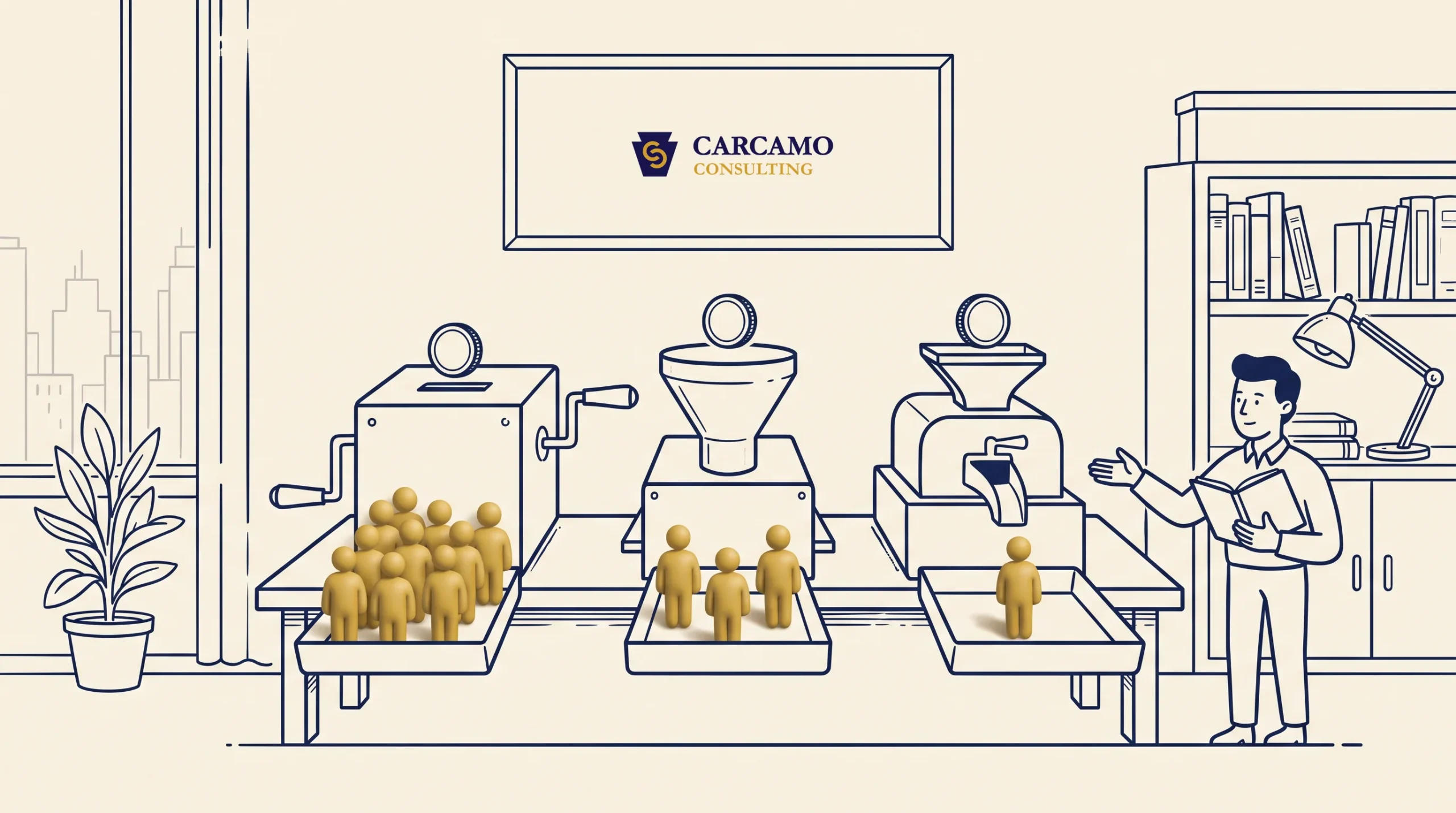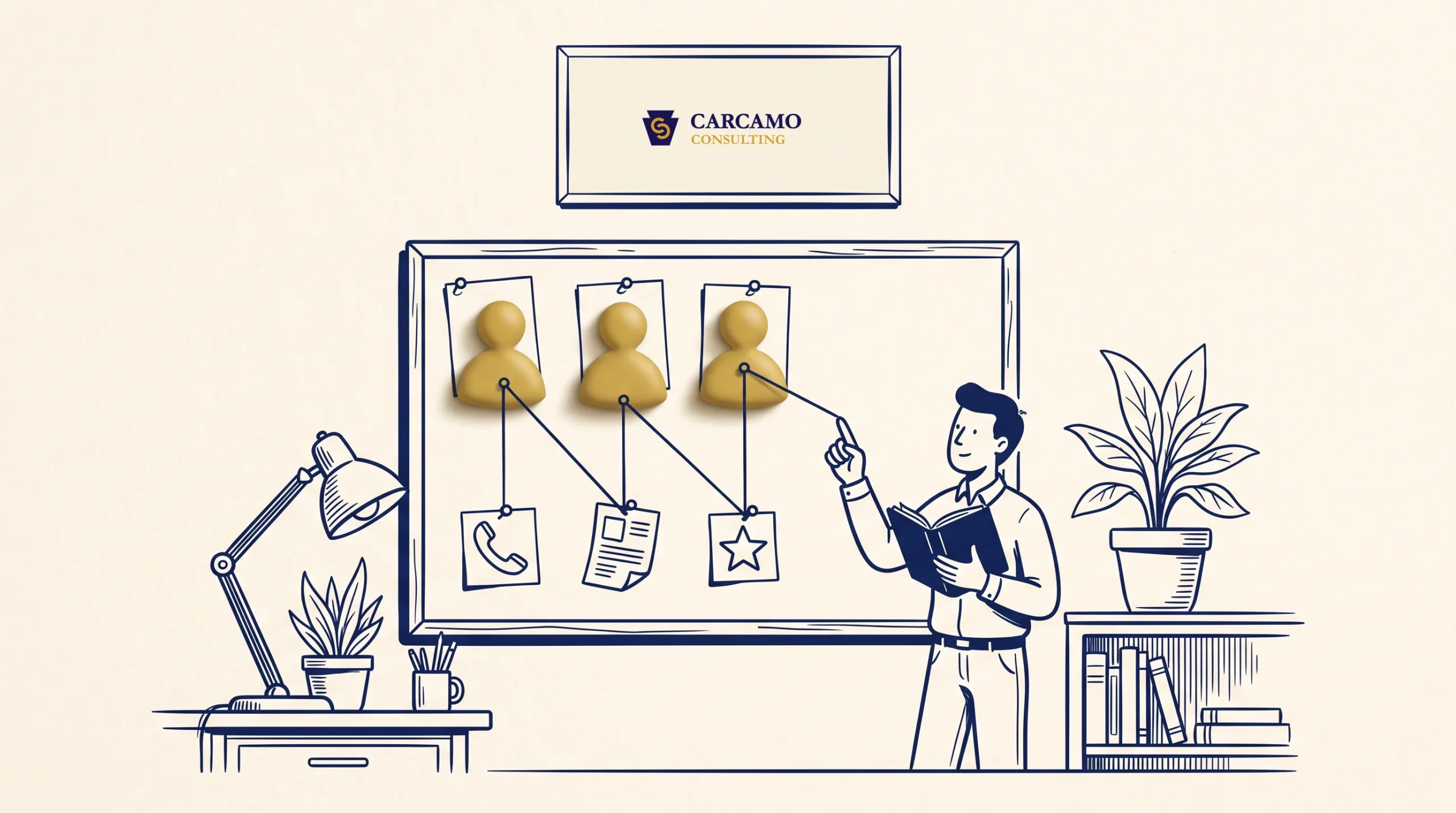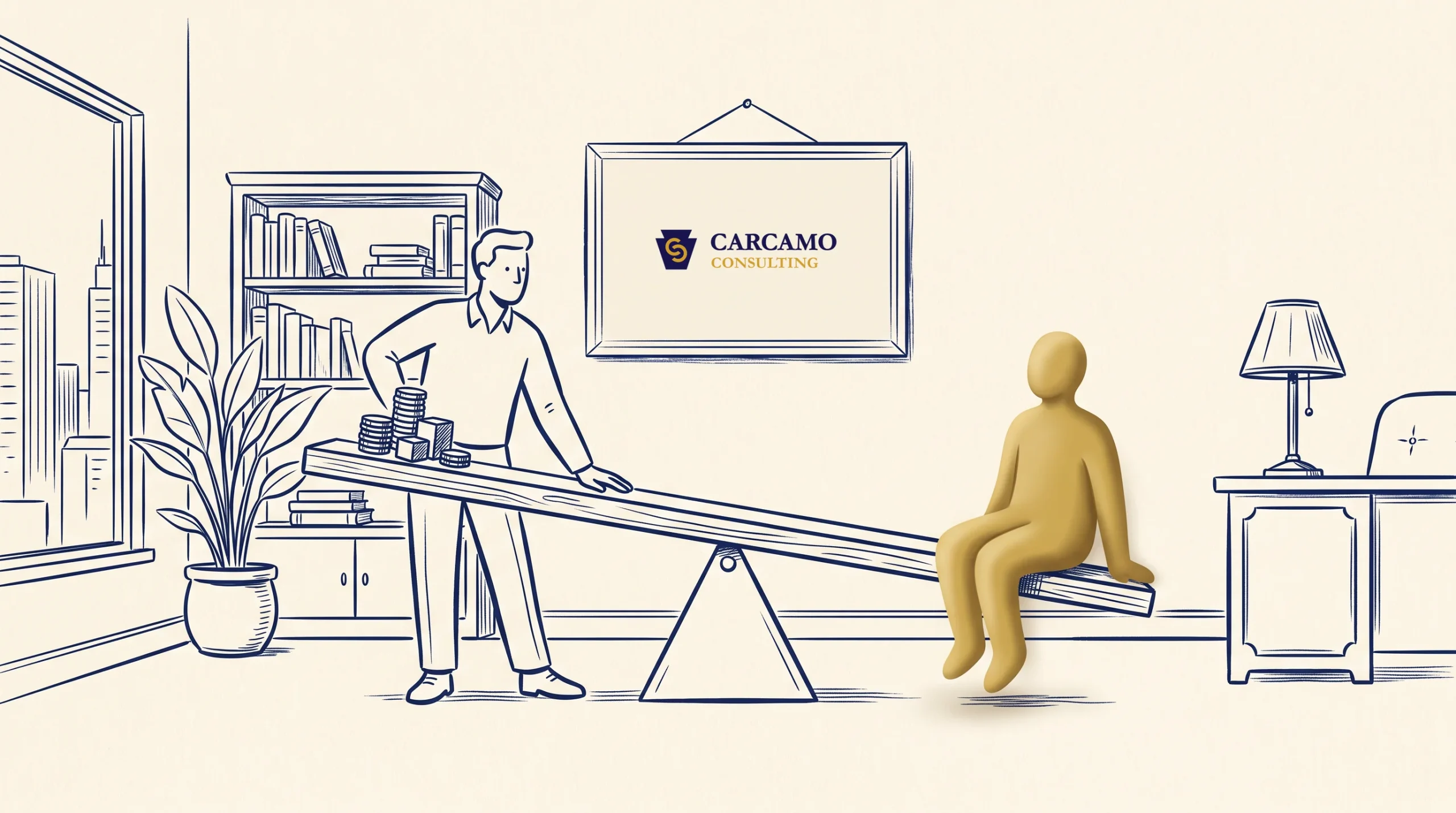

The quote is out, the conversation has been good, and then it lands: “That’s a bit more than I expected.” Your stomach drops a little, and you have about three seconds to say something before the silence starts working against you.
Learning how to handle “it’s too expensive” and the other objections that show up right before a decision starts with this: almost none of them mean what they sound like on the surface. “Too expensive” is usually a value gap, not a budget wall. “I need to think about it” is usually a stalled decision, not a firm no. Once you can hear what an objection actually means, the response gets much easier.
The One Question That Works Before Any Response
Before you answer any objection, ask one clarifying question instead of reacting to the words. This single habit does more for your close rate than any clever script.
For a price objection, ask: “Too expensive compared to what?” Their answer tells you everything: a cheaper competitor, doing it themselves, or simply more than they had budgeted in their head with no real comparison at all.
For almost any other objection, a version of the same question works: “Help me understand what’s holding you back.” People usually answer honestly when asked directly and without pressure, and the real objection is often different from the one they led with.
Resist the urge to jump straight to defending your price or your service. A rushed defense answers a guess about their real concern. A question gets you the actual concern.
“It’s Too Expensive”
This is rarely a flat statement that they have no money. More often it means one of three things: they do not yet see the value that justifies the number, they are comparing you to a cheaper option without an apples to apples scope, or they have a cash flow timing problem rather than a true budget ceiling.
Separate budget from cash flow first: ask directly, “Is it the total number, or when payment is due?” If it is cash flow, a payment plan or split invoicing solves it without touching your price at all. If it is genuinely budget, you have a real conversation about scope.
Show the value before touching the price: if a customer cannot see what is included, cutting the number is the only lever left. Walk through what the price actually covers: materials, time, guarantees, and what happens if something goes wrong. A clear value proposition prevents most of this conversation from happening in the first place.
Negotiate scope, not just price: if there is genuinely no more room in their budget, offer a smaller version of the job or a phased approach rather than simply lowering your number. Discounting the same scope trains every future customer to expect the same discount; adjusting scope keeps your price honest.
Use proof, not persuasion: a specific example of a similar customer who had the same hesitation and ended up glad they moved forward does more than any argument you could make yourself. Real testimonials and case studies carry weight that your own words cannot.
Know when to let it go: if someone has unreasonable expectations about what your price should be, or nothing you offer moves them, a polite exit is better than chasing a deal that was never going to close on terms you can live with.
“I Need to Think About It”
This objection rarely means what it says. Most people do not need three more days of information; they need permission to say what is actually stopping them, and “let me think about it” is the easiest thing to say when they are not ready to say that out loud.
Ask directly: “Of course. Just so I can send you anything useful while you think it over, what’s the main thing you’re weighing?” This single question usually surfaces the real concern (price, timing, one lingering question about the work) instead of leaving you guessing for days.
If they genuinely need real time to decide, respect it, and set a specific follow-up date before you end the conversation. A vague “I’ll check back in” lets the decision drift indefinitely; a specific date (“Would Thursday work for me to follow up?”) keeps it moving without pressure.
“I Need to Talk to My Spouse or Partner”
This one is worth taking at face value less often than it sounds. It frequently means one of two things: the decision genuinely involves someone else’s money or home, which is entirely legitimate, or the prospect was not confident enough in your value proposition to want to repeat it to someone else on their own.
Ask which one it is, gently: “Totally understand. Is there anything about what we discussed that would be hard to explain to them, so I can make sure you have it clearly?” If they hesitate or struggle to summarize your offer back to you, that tells you the real gap is in how well you explained the value, not in whether their partner needs to weigh in.
Where it makes sense, offer to have the conversation together, a quick call or a written summary both people can review, rather than leaving your prospect to relay a pitch they only half absorbed.
“It’s Not the Right Time”
This objection is usually about missing urgency rather than an actual scheduling conflict. If the problem you solve is not costing them anything painful right now, there is no reason for them to act today instead of eventually.
Ask what would need to change for the timing to be right, and listen for whether the answer is external (a real event, a budget cycle, a lease renewal) or vague (no real reason, just hesitation). A vague answer means the value case has not landed yet; a specific answer gives you a real date to follow up against.
Where relevant, be honest about what waiting actually costs them: a problem that gets worse, a price that changes, or a busy season that fills up your schedule. This is not pressure, it is information they need to make a real decision instead of a default one.
How to Handle “It’s Too Expensive” and Other Objections in the Moment
Whatever the specific words, the same sequence works:
- Listen without interrupting: let them finish completely before you respond to anything.
- Ask the clarifying question that fits the objection, rather than defending your position immediately.
- Summarize what you heard in one sentence before responding, so they know you understood the real concern.
- Respond to the actual concern, not the surface objection.
- Set a clear next step, whether that is a follow-up date, a revised proposal, or a polite close if it genuinely is not a fit.
The goal is never to argue someone into agreement. It is to find out what is really in the way and remove it if you honestly can.
Frequently Asked Questions
What do I say when someone tells me my price is too high?
Ask what they are comparing it to before you respond. Their answer tells you whether this is a value gap (they do not see what is included), a cash flow issue (they can afford it but not all at once), or a true budget ceiling. Each of those gets a different response, and answering the wrong one wastes the conversation.
How do I know if a price objection is really about budget or something else?
Ask directly: is it the total number, or when payment is due. If it is timing, a payment plan or split invoicing solves it without changing your price. If it is a genuine budget limit, that is when scope, not price, becomes the thing to negotiate.
Should I lower my price when someone objects?
Not automatically. A straight discount on the same scope trains every future customer to expect the same treatment. Adjusting the scope of the work, a smaller package or a phased approach, protects your pricing while still giving a genuinely budget constrained customer a way to say yes.
What does it mean when a prospect says they need to think about it?
Usually that they are not ready to say what is actually stopping them, not that they genuinely need more information. Asking what specific thing they are weighing, and setting a firm follow-up date, moves the decision forward far more reliably than leaving it open ended.
How do I handle “I need to talk to my spouse or partner” as an objection?
Take it seriously when the decision genuinely involves someone else’s money or home. But also check whether the real gap is that your prospect could not confidently repeat your value proposition to someone else. If they struggle to summarize it back to you, the fix is a clearer explanation or a written summary, not a harder push on their timeline.
What if a customer says it’s not the right time?
Ask what would need to change for the timing to feel right. A specific answer (a budget cycle, an event, a lease date) gives you a real follow-up point. A vague answer usually means the urgency was never established in the first place, which is a value conversation, not a scheduling one.
How do I respond when someone says they can do it themselves?
This is a value of expertise objection, not a price objection, and needs a different answer. Ask what has held them back from doing it already, then be honest about what the DIY route actually costs in time, risk, or the chance of redone work. Let them weigh that against your price themselves rather than arguing that they cannot do it.
 Previous