
The best referral incentive is the one that brings you more of the customers you actually want, at a cost you can pay after the work is won. That usually means a clear cash reward or service credit, sized to your job value, paid only when a referral turns into a paying customer. The wrong incentive does the opposite: it floods you with bargain hunters, drains your margin, or quietly makes your business look cheap.
Choosing among referral incentives is less about the menu of options and more about the trade-offs, since the same reward that wins you a loyal customer can also pull in someone who never comes back. Here is what to offer, and the incentives that backfire and why.
What makes an incentive actually work
An incentive has one job: give a happy customer a reason to act on a recommendation they were already willing to make. It is a nudge, not a bribe. When you keep that in mind, the choice gets simpler.
A good referral incentive has three traits:
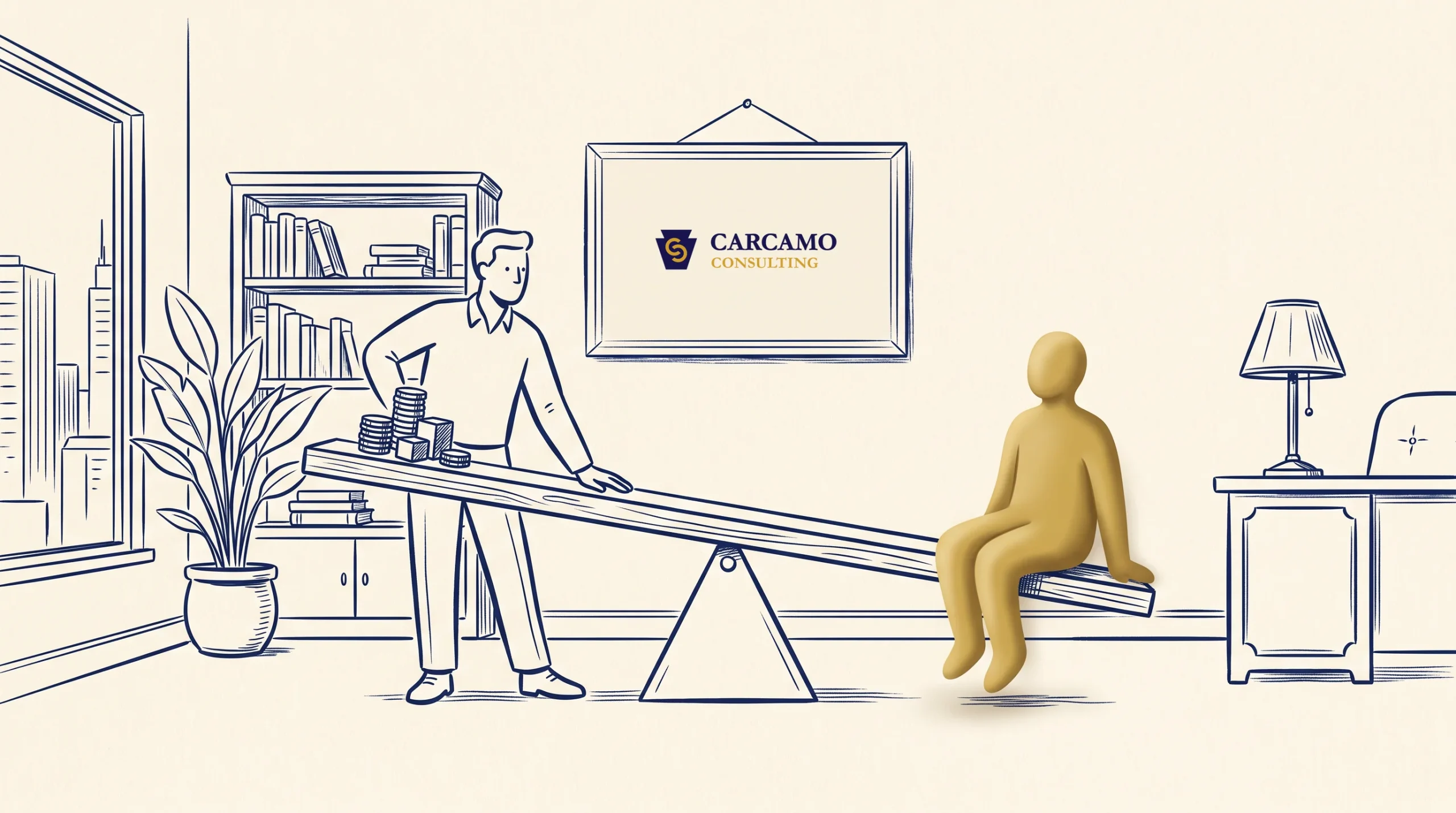
- It is worth the effort but not the motive. Big enough that the customer bothers, small enough that they are referring because they like you, not because they are chasing a payout.
- It fits how often people buy from you. A discount on the next visit only works if there will be a next visit. For one-time jobs, that discount is worthless to the referrer.
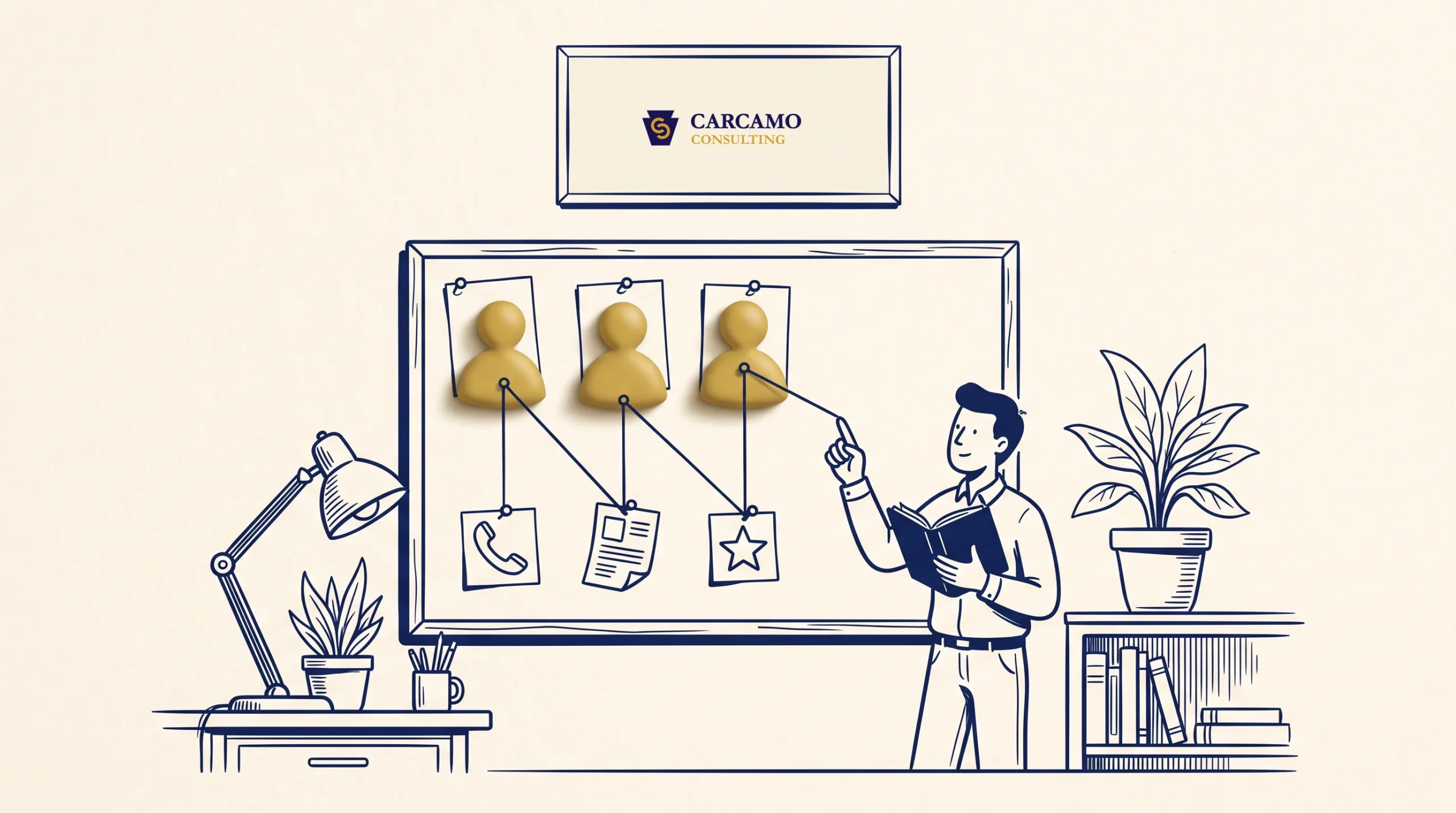
- It pays out on results. The reward lands when the referred person becomes a paying customer, not when a name gets dropped in a form.
Get those three right and almost any reasonable reward works. Get them wrong and even a generous reward falls flat. If you have not set up the mechanics yet, our guide on how to build a referral program that actually works covers the system this incentive plugs into.
The referral incentives worth offering
These are the rewards that hold up for a small local business. Pick one, keep it simple, and reward both the referrer and the new customer where you can.
Cash or a gift card
A flat cash reward or a gift card is the most reliable incentive, especially for one-time or infrequent services. It does not expire, it does not require a repeat visit, and customers read it as a genuine thank-you rather than a markdown on your work.
Cash also tends to attract better referrals. When the reward is money for a customer who actually sticks, people send you the friend they think will be a real fit, not just any warm body.
A service credit or account credit
For businesses people use again and again, like cleaning, lawn care, or ongoing maintenance, a credit toward their next service is excellent. It rewards the referrer and pulls them back for another visit at the same time.
Credit keeps the relationship going. It says “come see us again,” which a one-time gift card does not.
A free add-on or upgrade
A free extra, a deep clean, an added hour, a small upgrade, can feel generous while costing you less than its sticker value. It works best when the add-on is something customers already wish they had.
A donation to a cause
Offering to donate the reward to a local charity attracts customers who care more about your values than a few dollars off. It is a quiet signal of the kind of business you run, and it sidesteps the “cheap discount” problem entirely.
The incentives that backfire
These rewards can look smart on paper and still cost you customers, margin, or reputation.
Steep discounts that train bargain hunters
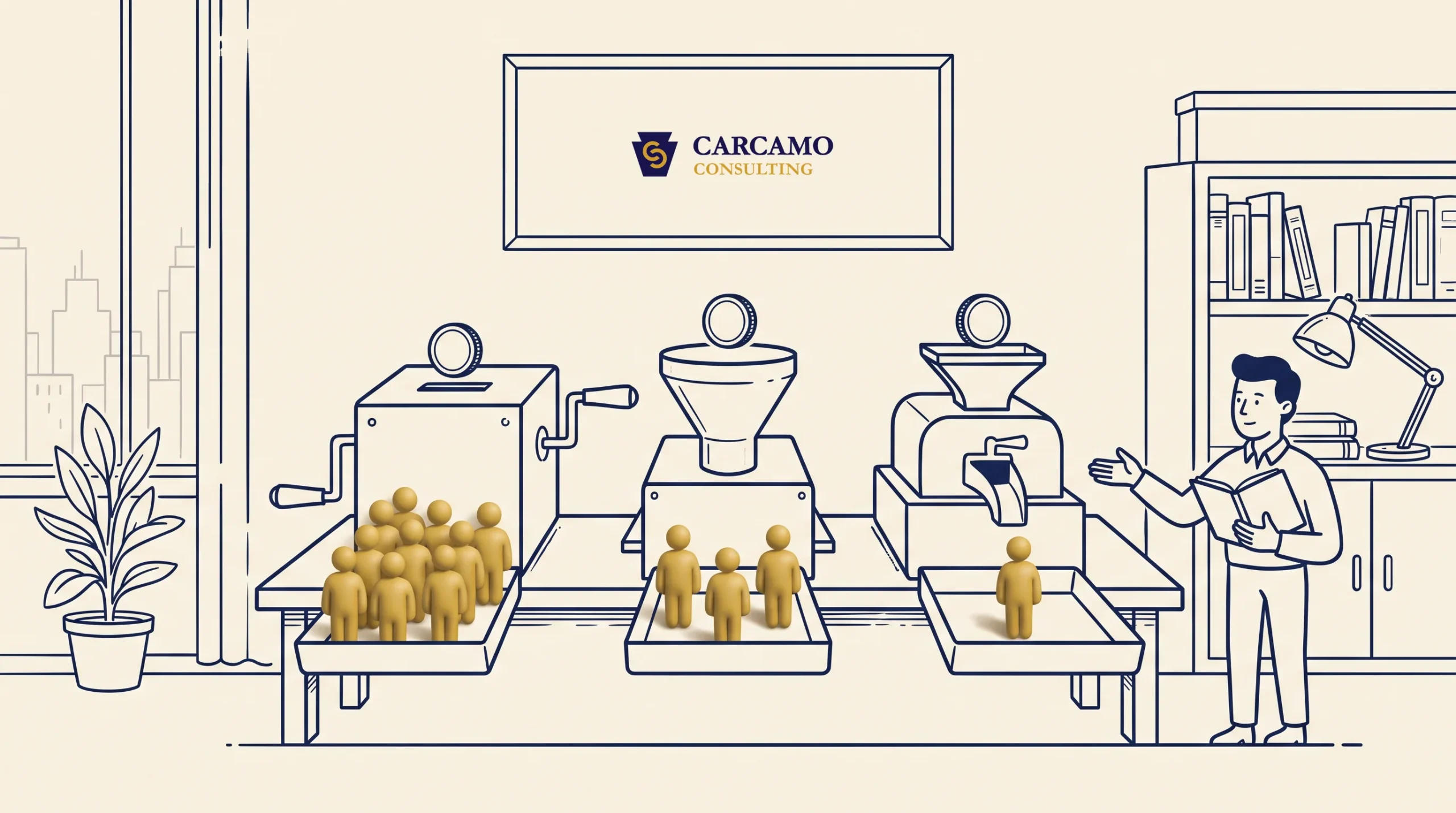
A big percentage off is the classic mistake. Deep discounts pull in deal-seekers, and deal-seekers are the least loyal customers you can get. They churn faster, they haggle, and the moment a cheaper option appears, they are gone.
Worse, you are not just discounting the one job. You are teaching a whole new group of customers that your real price is negotiable. A discount attracts the customer who cares most about price, which is rarely the customer you want.
Rewards so big they attract mercenaries
When the payout gets large, the motive changes. Instead of friends recommending you because you did great work, you get people hunting for anyone they can sign up to collect the bounty. The leads get worse, not better, and your costs climb while your close rate drops. A reward should feel like a thank-you, not a commission.
Anything that cheapens a brand you want to look premium
If you have worked to look like the high-end option, a coupon-style discount undercuts that in one move. Customers read constant markdowns as a sign the work is worth less than you charge. When your positioning matters, lean on cash, perks, or experiences instead of a percentage off. Picking the reward that fits the customer you want starts with knowing who that is, which our guide on defining your ideal customer walks through.
Paying before the referral converts
Reward a name the moment it is submitted and you have built a machine for junk leads. People will drop in friends who never intended to buy, or worse, fake entries, just to collect. Always tie the reward to a completed, paid job. You only pay once you have actually won the customer.
Complicated tiers and points nobody understands
A reward a customer cannot explain in one sentence is a reward they will not use. Elaborate point systems and multi-level tiers feel clever and kill participation. One clear offer beats a brilliant structure every time.
How to choose the right one for your business
You do not need to agonize over this. Run your options through three quick questions:
- How often do people buy from you? Frequent, repeat service points to a credit. One-time or rare jobs point to cash or a gift card.
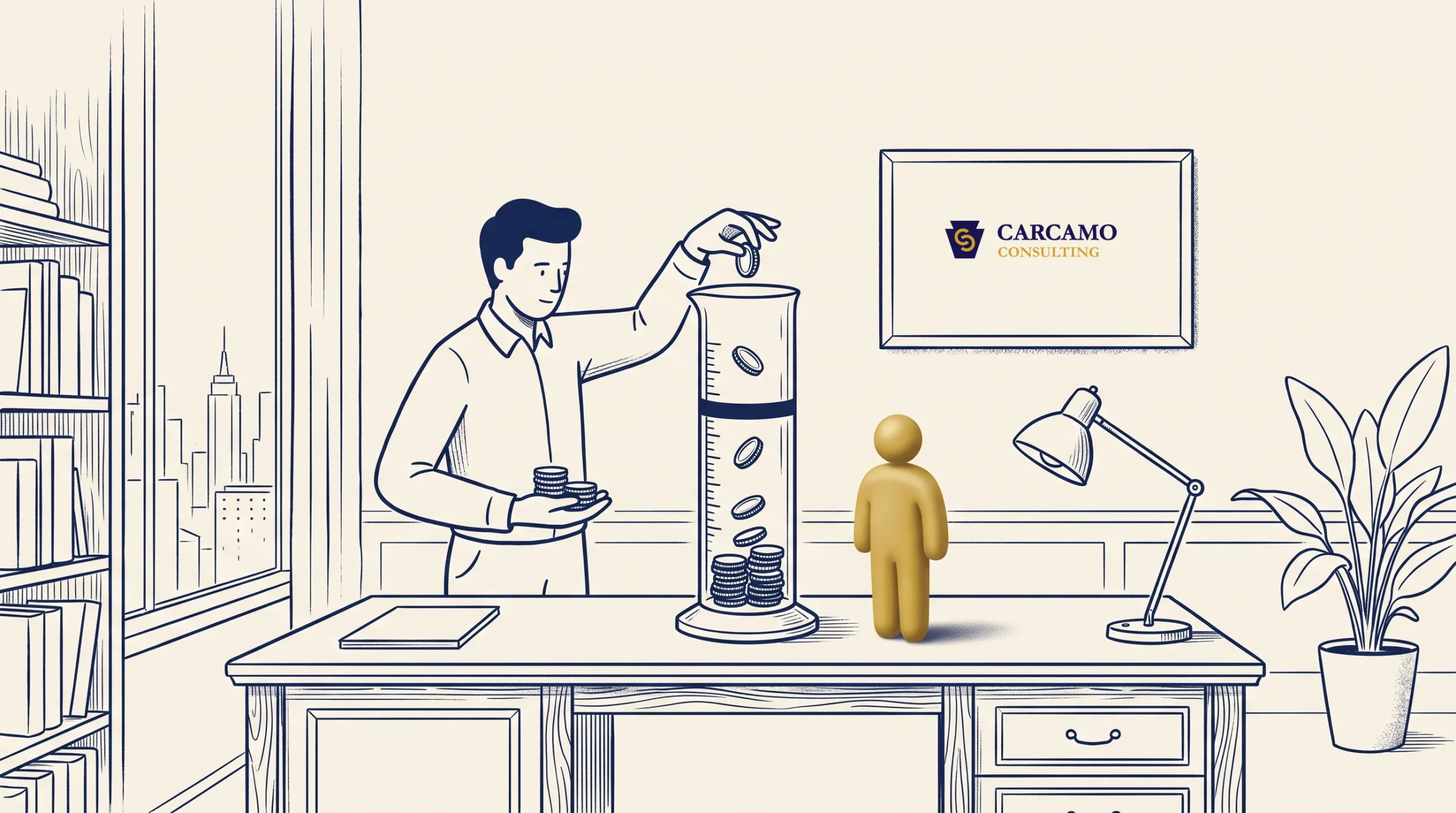
- What does your average job earn you? Size the reward to a small slice of that, generous enough to notice, never so large it changes why people refer.
- Who do you want more of? If you want loyal, full-price customers, avoid steep discounts that attract the opposite. If your brand is premium, choose perks and cash over markdowns.
Answer those and the right incentive is usually obvious. When you are still unsure, default to a modest cash reward or service credit paid on conversion. It is the safest choice for almost every small business, and it rarely backfires.
Referrals are still the highest-quality, lowest-cost customers you can earn, which is exactly why the incentive deserves a few minutes of thought. The reward is not what creates referrals. Great work does that. The reward just decides which kind of customer your happy clients send your way. For the bigger picture on making word of mouth work, see our guide on getting customers through referrals.
If you want a second opinion on what to offer for your specific business, a free question is a good place to start. We run real local businesses ourselves, so we have tested these the hard way.
Frequently asked questions
Should I offer cash or a discount for referrals?
For most small businesses, cash or a gift card beats a discount. A discount only helps a customer who is coming back, so it falls flat for one-time jobs, and steep discounts tend to attract bargain hunters who do not stick around. Cash reads as a real thank-you, works for any kind of service, and tends to bring you referrals who are a genuine fit. Use a credit instead only when your customers buy from you regularly and a “next visit” reward pulls them back.
Do referral discounts cheapen my brand?
They can, if you lean on them too hard. Frequent markdowns train customers to see your regular price as negotiable and can signal that the work is worth less than you charge. If you want to look like the premium option, reward referrals with cash, a free upgrade, or an exclusive perk rather than a percentage off. Used sparingly, a discount is fine. Used as your default, it quietly drags down how customers value you.
How much should a referral incentive be?
Size it to a small slice of what a job earns you, generous enough that a customer notices, never so large that the payout becomes the reason they refer. For most small services, a $25 to $50 reward or credit works well. For bigger jobs, a modest percentage keeps it worthwhile. The reward only has to beat what you would otherwise pay for a lead, and almost anything clears that bar.
Can a referral reward attract the wrong customers?
Yes, and this is the most overlooked risk. A steep discount draws price-shoppers who churn quickly, and an oversized reward attracts people chasing the bounty rather than recommending you sincerely. Both fill your pipeline with leads that are harder to close and quicker to leave. Choose a reward that fits the customer you actually want, and pay it only when a referral becomes a paying job.
Is it legal to pay for referrals?
For most local service businesses, yes, paying a customer a thank-you for a referral is perfectly normal. Some regulated fields are different: law, real estate, financial services, and healthcare have specific rules that can restrict or ban paying for referrals. If you work in one of those, check your professional or state regulations before offering a cash incentive, since the penalties for getting it wrong can be serious.
 Previous