
Start paying for customers when three things are true: your offer has sold organically at least a handful of times, you know what a customer is worth to you, and you have either a working organic base or a reason you can’t wait for one. For most small businesses, that moment arrives earlier than the organic purists admit and later than the ad platforms would like.
The reason so many owners get the timing wrong isn’t impatience. It’s a belief about organic marketing that sounds sensible, saves money on paper, and quietly costs more than any ad campaign ever will.
Organic and Paid Are Different Tools, Not Rivals
The organic vs paid debate is usually framed as a rivalry. It isn’t one. The two do different jobs on different clocks, and the timing question only makes sense once you see the difference plainly.
| Organic (SEO, content, social, referrals) | Paid (Google Ads, Meta ads) | |
|---|---|---|
| Speed | Months to build; 6 to 12 for SEO | Traffic within hours, leads within days |
| Cost profile | Little cash, lots of time and consistency | Cash out every week, little time once running |
| Durability | Compounds; keeps working after you stop pushing | Stops the moment the budget stops |
| Control | Algorithms and rankings decide your reach | You decide who sees what, where, and when |
| Best at | Trust, authority, the long game | Speed, testing, filling gaps on demand |
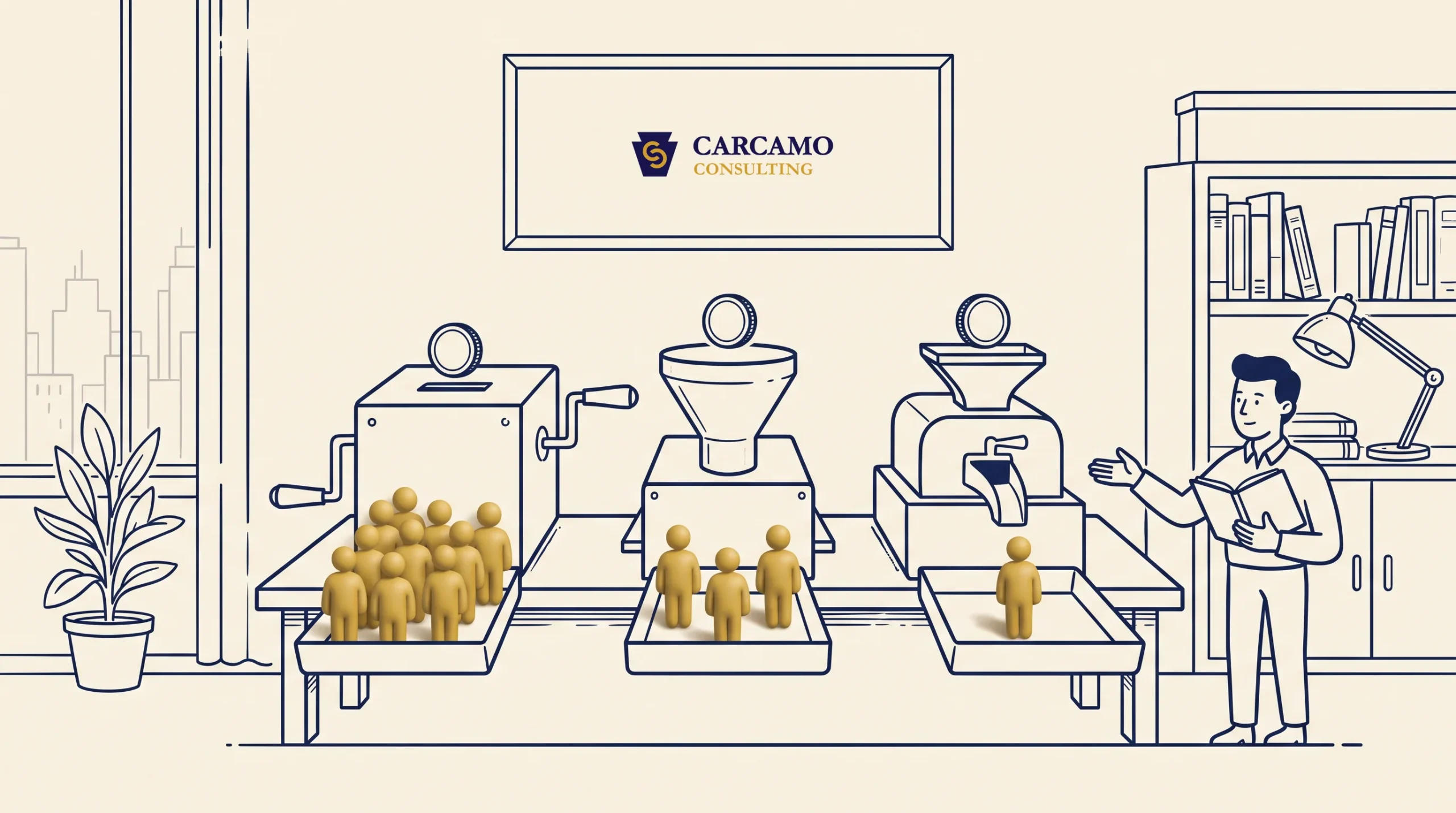
Read the table twice and the shape of the answer appears. Organic is an asset you build. Paid is a utility you switch on. Assets take time to appreciate; utilities work the day you connect them.
That’s why “which is better” is the wrong question. The right question is which one your business needs first, and that comes down to what you already have and how long you can wait.
Picture two identical cleaning companies opening the same month. The first goes organic only: by month twelve she has rankings taking hold, a review base, and leads that cost her nothing but the year of thin months it took to get there. The second goes paid only: she’s busy by month two, but every job carries an ad cost, and the day she pauses the budget the phone goes quiet. Neither owner is wrong. Each just bought a different problem.
The version that wins is the third one: paid keeps the calendar full from month two while the organic base grows underneath it, and by the second year the ads shrink from lifeline to lever. Timing that move is a readiness question, and readiness is checkable: starting too early wastes cash, and starting too late quietly wastes a year.
The Part Everyone Gets Wrong: Organic Isn’t Free
The belief that ruins most timing decisions: organic marketing costs nothing, so start there and only pay when you must.
Organic costs plenty. It just bills you in hours instead of dollars.
A real organic foundation means content and SEO built deliberately: pages worth ranking, posts answering real questions, a Google Business Profile kept alive, reviews requested and answered, social posted consistently for months. Done seriously, that’s 5 to 10 hours a week of skilled work. Price your own time at what your customers pay for it, and “free” organic often costs more per month than a modest ad budget.
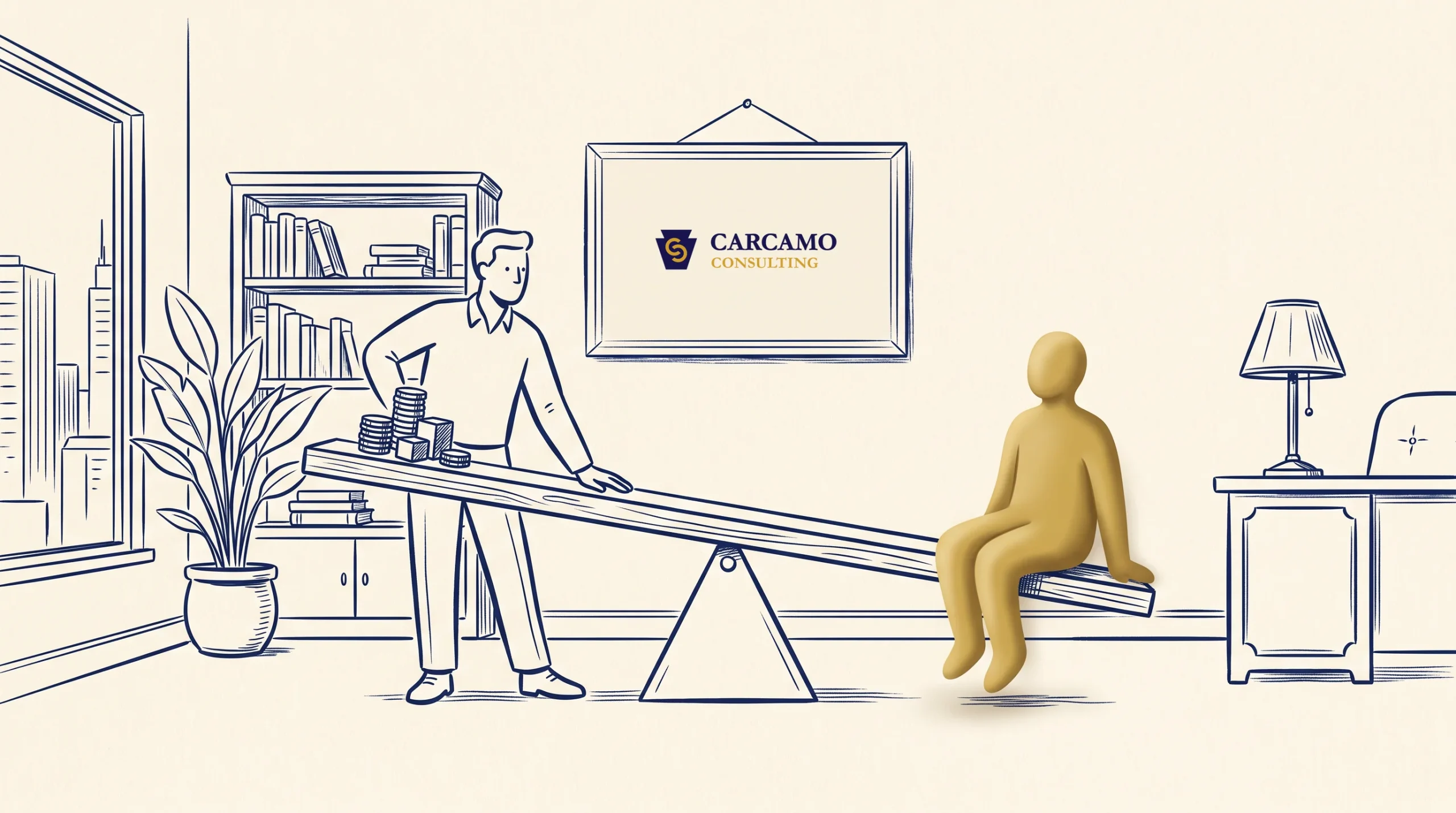
Put numbers on it. A remodeler who bills $75 an hour and spends eight hours a week on content, social, and profile upkeep is spending $600 a week in opportunity cost, roughly $2,400 a month. That’s more than the entire starter ad budget most local businesses need, and it buys results that won’t show for two or three quarters. The math can still favor organic, because those hours build an asset that keeps paying after the work stops. But it’s an investment decision, not a freebie.
The time cost matters because owners who believe organic is free do it halfheartedly, get nothing, and conclude marketing doesn’t work. The half measure is the most expensive option of all: months of drift, zero customers to show for it, and the paid experiment that might have worked still sitting unrun.
So be honest about both prices. Organic bills in time now and pays compounding returns later. Paid bills in cash now and pays this month. Neither is free, and pretending otherwise is how a year disappears.
How to Know When to Start Paying for Customers
Readiness for paid isn’t a feeling. It’s four numbers and a fact, and you can check all five in an afternoon:
- What a customer is worth. Not one invoice, the whole relationship: the monthly cleaning client who stays two years is worth dozens of times her first payment.
- Your margin on that customer. Paid acquisition comes out of profit, not revenue. Thin margin businesses need cheaper acquisition than fat margin ones, or higher prices first.
- Your close rate. Of the people who ask, how many buy? If half your quotes close, a lead is worth half a customer. If one in ten closes, fix the selling before you buy more leads.
- Your ceiling per customer. Keep acquisition at a third or less of customer profit and write that number down. It’s the guardrail every campaign gets judged against.
- Proof the offer sells. Somebody has already paid you this price for this service, more than once, without an ad pushing them.
A bookkeeper charges $400 a month and her average client stays three years: a customer is worth $14,400 in revenue, call it $7,000 in profit. Her ceiling per customer at one third of profit is about $2,300, generous room for any sane campaign. She’s closed six of the ten prospects who inquired this year, so a qualified lead is worth well over $1,000 to her. Every number says paid can work whenever she wants it to; her only real question is timing.
Now run the same math for a mug maker selling $30 mugs at $12 profit to one-time buyers. His ceiling per customer is $4. No platform on earth reliably delivers customers for $4. His answer isn’t “later,” it’s “not with this offer”: he needs repeat purchases, bundles, or higher prices before paid can ever make sense.
If you can fill in all five numbers and they clear, you’re ready to pay whenever the timing calls for it, and the full beginner’s playbook for a first campaign shows exactly how to run the test. If you can’t, no calendar date makes paid a good idea yet; the money would just measure your unreadiness at market rates.
With readiness settled, timing reduces to reading your situation, and some situations are loud.
Start Paying Sooner If Any of These Is True
- You’re new and invisible. No rankings, no reviews, no audience. Organic will get there, but the SEO clock runs six to twelve months, and rent is due monthly. Paid is the only channel that produces customers during the building year.
- Your calendar has holes right now. Idle capacity is perishable: the empty Tuesday you didn’t fill is gone forever. When work is thin and the team is standing around, paid fills the gap faster than anything else legal.
- Your market is locked up organically. In some niches the first page of Google belongs to directories and franchises with decade old domains. Clawing in could take years; ads put you above them next week for the cost of a click.
- Your revenue is seasonal. Ad platforms need a learning period, and click prices spike when every competitor floods in at once. Start campaigns 60 to 90 days before your busy season, while attention is cheap and the algorithm has time to find your buyers.
- You need answers fast. Nothing tests an offer, a price, or a message like a hundred strangers seeing it this week. Organic feedback trickles in over months; paid feedback lands before the invoice does.
Notice what these five have in common: in each one, the cost of waiting is bigger than the cost of the ads. That’s the real timing test. Paid advertising earns its budget whenever the empty calendar, the lost season, or the locked up rankings are quietly costing you more per month than the campaign would.
Wait on Paid If Any of These Is True
- The offer hasn’t sold organically yet. Ads amplify what exists. If nobody has bought at this price, ads will charge you to discover why not, the expensive way.
- There’s nowhere good to send a click. No focused page, no clear action, no way to capture the lead: fix that first, or pay for traffic that bounces.
- The budget would starve the test. Below roughly $500 a month, most local campaigns gather data too slowly to teach you anything before frustration wins. Save up and run six real weeks instead of dribbling out a year of $5 days.
- Organic is already filling the pipeline. If referrals and rankings keep you comfortably booked, paid isn’t urgent; it’s optional acceleration. Bank the cash or spend it deepening the moat competitors can’t buy.
- You couldn’t handle the work if the ads worked. Leads that wait cool off and leave annoyed. Capacity first, then volume.
None of these are permanent verdicts. Every one is a blocker you can clear in weeks: prove the offer with five organic sales, build the one page the clicks deserve, save two months of budget, hire the extra set of hands. Waiting on paid is only wisdom while you’re actively removing the reason you’re waiting.
The Sequence That Works at Each Stage
Brand new (first year): Build the organic skeleton in your first month because it’s cheap and compounds: a real website, a claimed Google Business Profile, reviews from every early customer. Then run a small paid test as soon as the readiness numbers exist. At this stage paid isn’t a luxury; it’s how you eat while the organic tree grows. The mistake to avoid is all or nothing: a year of pure organic starves you, and a year of pure paid leaves you with nothing that survives a budget cut.
Finding your footing (roughly years one to three): Run both deliberately. Paid carries the lead flow and funds the business; a steady content and SEO effort compounds in the background. Every quarter, organic should shoulder a little more of the load. Watch your cost per customer on each channel and shift budget toward whichever earns it. This is also when tracking starts paying twice: knowing which channel produced which customer is the only way to shift budget with confidence instead of vibes.
Established: Organic and referrals carry the base. Paid becomes a precision tool: seasonal pushes, a new service launch, a slow month, a competitor’s stumble. You stop needing ads and start choosing them, which is the strongest position there is. Owners at this stage often keep a small always-on campaign anyway, not for survival but because their guardrail math says each paid customer still turns a healthy profit, and profitable growth doesn’t need a justification.
The channels also feed each other more than the rivalry framing admits. Ad clicks land on content that builds trust, so ads convert better on a strong organic base. Search data from paid campaigns tells you which keywords actually produce customers, which sharpens what you write and rank for next.
The Decision, In One Pass
Run your situation through this, top to bottom, and stop at the first line that fits:
- Offer unproven, or nowhere to send a click, or no capacity? Not yet. Fix the blocker; it’s cheaper than any campaign.
- New business, empty calendar, locked up rankings, or a season 60 to 90 days out? Start now, with the readiness numbers written down first.
- Organic already keeps you booked? Optional. Test paid only to grow past word of mouth, and judge it by your guardrail number.
- Everyone else: build organic weekly, and start a small paid test the month your five readiness checks all pass. Don’t wait for the organic payoff to begin; the two clocks run fine in parallel.
The order matters more than the amounts. Owners who sequence this way spend less in total than the ones who lurch between “ads are a scam” and “ads will save us.”
FAQ
Should a small business start with organic or paid marketing?
Start building organic immediately because it compounds and its early steps are cheap: website, Google Business Profile, reviews. Start paying as soon as your offer has proven itself and you know your numbers, which for most new businesses is within the first few months. It’s a sequencing question, not a loyalty pledge.
Is organic marketing really free?
No. Organic pays in time instead of cash: done properly it’s hours of skilled work every week for months before results arrive. Price your time honestly and a serious organic effort often costs more per month than a starter ad budget. It’s still worth it, because the results compound and keep working after you stop, but “free” mistakes the currency.
How long does SEO take compared to paid ads?
SEO typically needs six to twelve months of steady work before it produces customers reliably, and it keeps producing after you ease off. Paid ads produce traffic within hours and leads within days, and stop the moment you stop paying. That mirror image is exactly why young businesses run paid while their SEO matures.
Do paid ads improve your SEO rankings?
Not directly: Google has been consistent that running ads doesn’t raise organic rankings. Indirectly they can help, because paid traffic surfaces which keywords and pages actually convert, and that data makes your SEO and content choices sharper. Treat ads as intelligence for organic, not a shortcut to it.
How far before my busy season should I start running ads?
Sixty to ninety days out. Ad platforms need weeks of learning before they deliver efficiently, and click prices climb once every competitor piles in at peak. Starting early means the campaign is tuned and cheap by the time demand actually arrives.
How much of my marketing budget should go to paid vs organic?
It shifts with age. Young businesses that need customers now often put well over half of their marketing budget into paid, because speed matters most and there’s no organic base yet. As rankings, reviews, and referrals mature, the split walks back toward organic until paid is a deliberate slice, often a tenth to a fifth of the total, reserved for pushes. Let your cost per customer by channel set the split, not a formula.
Can I turn off ads once organic takes over?
You can, and the leverage is knowing you can. Once organic fills the pipeline, ads stop being rent and become a dial: turn them up for a launch or a slow month, down when you’re booked out. Many owners keep a small campaign running anyway because each paid customer still clears their profit guardrail, but at that point it’s a choice, not a dependency.
Timing beats intensity. A modest ad budget started at the right moment, on top of an organic base built patiently in parallel, outperforms both the purist who waits for SEO forever and the gambler who buys ads before the offer is proven. If you’re not sure which line of the framework you’re standing on, tell us where the business is; we’ve timed this decision for our own companies, and asking us is free.
 Previous