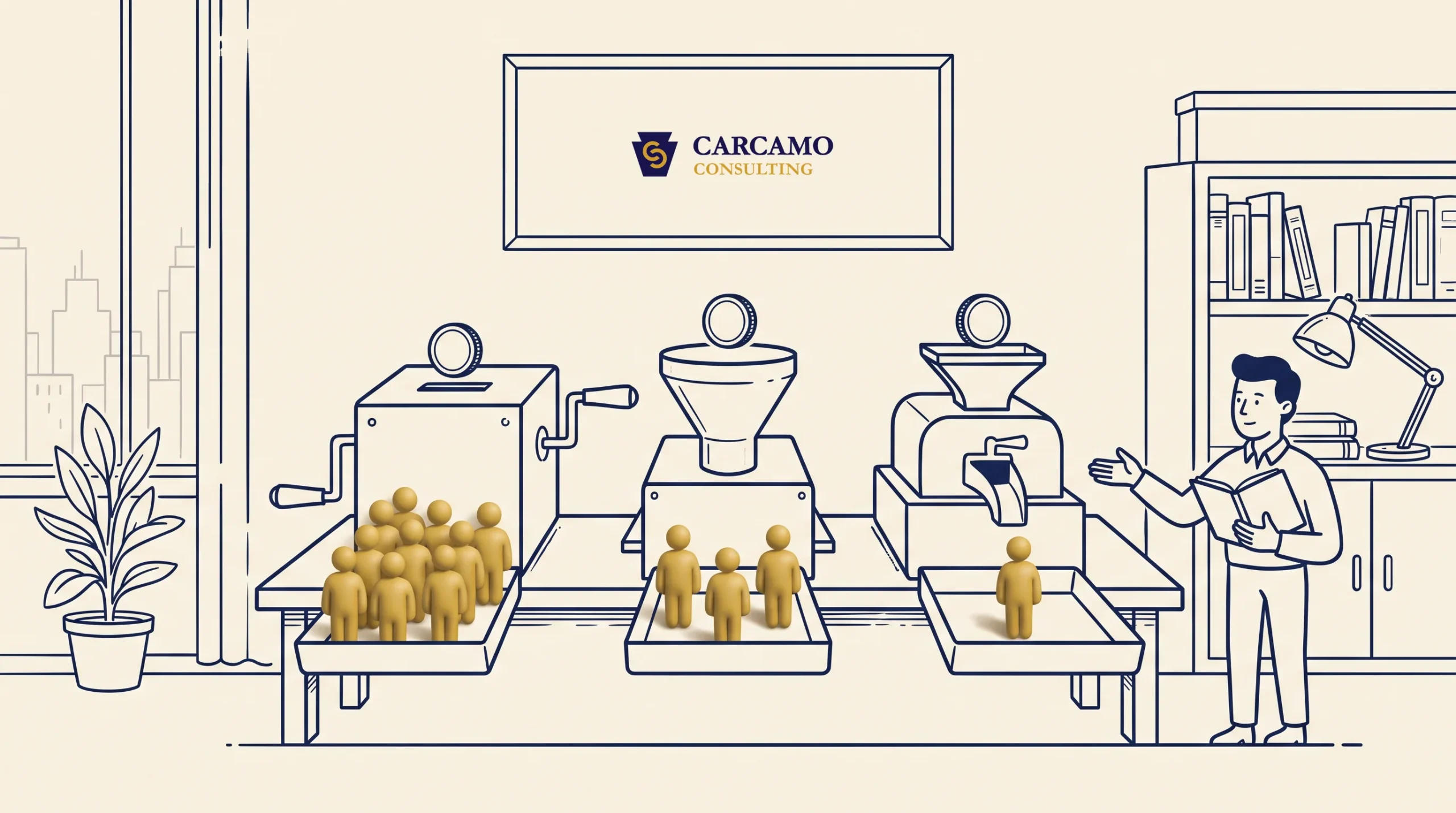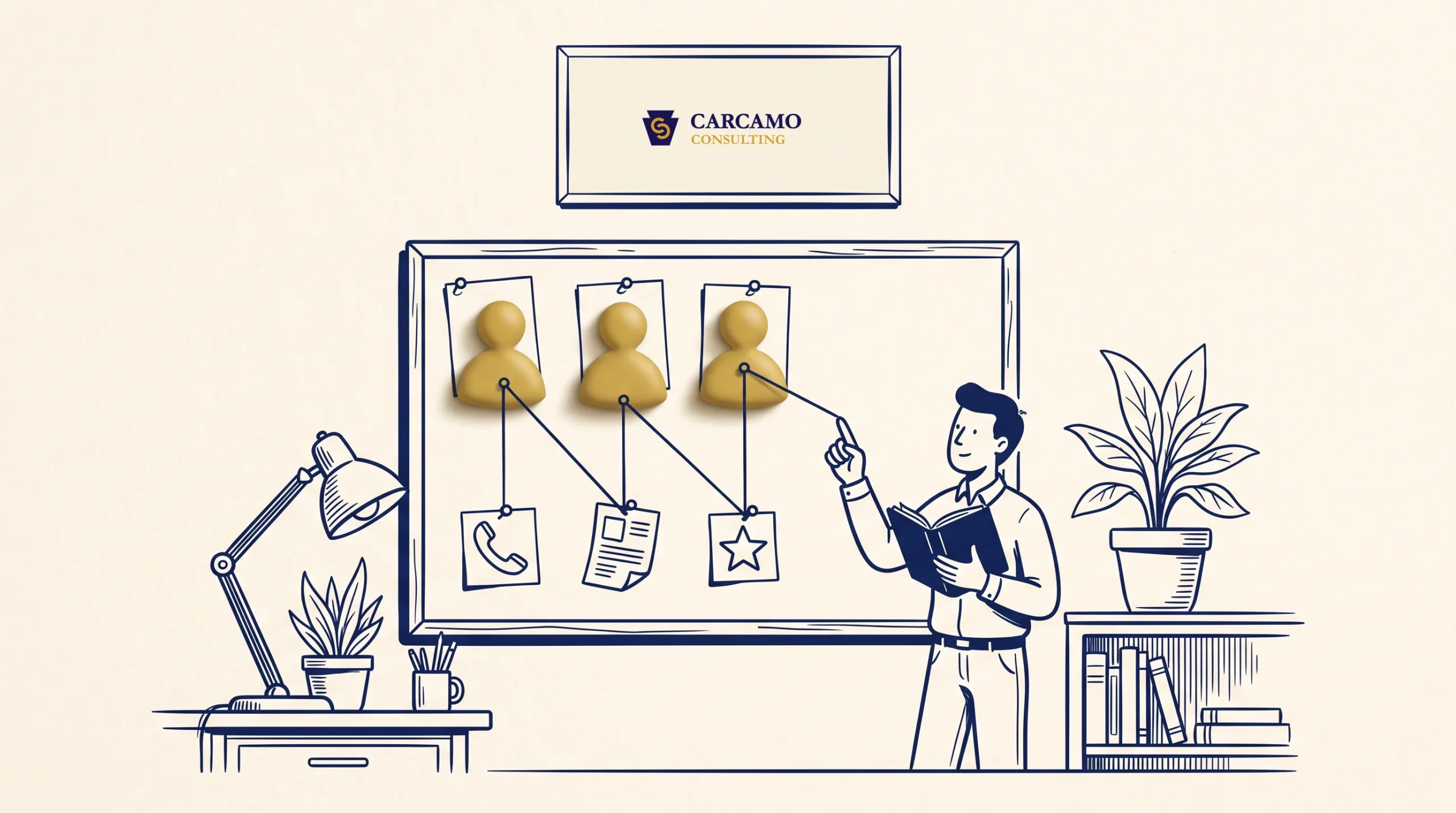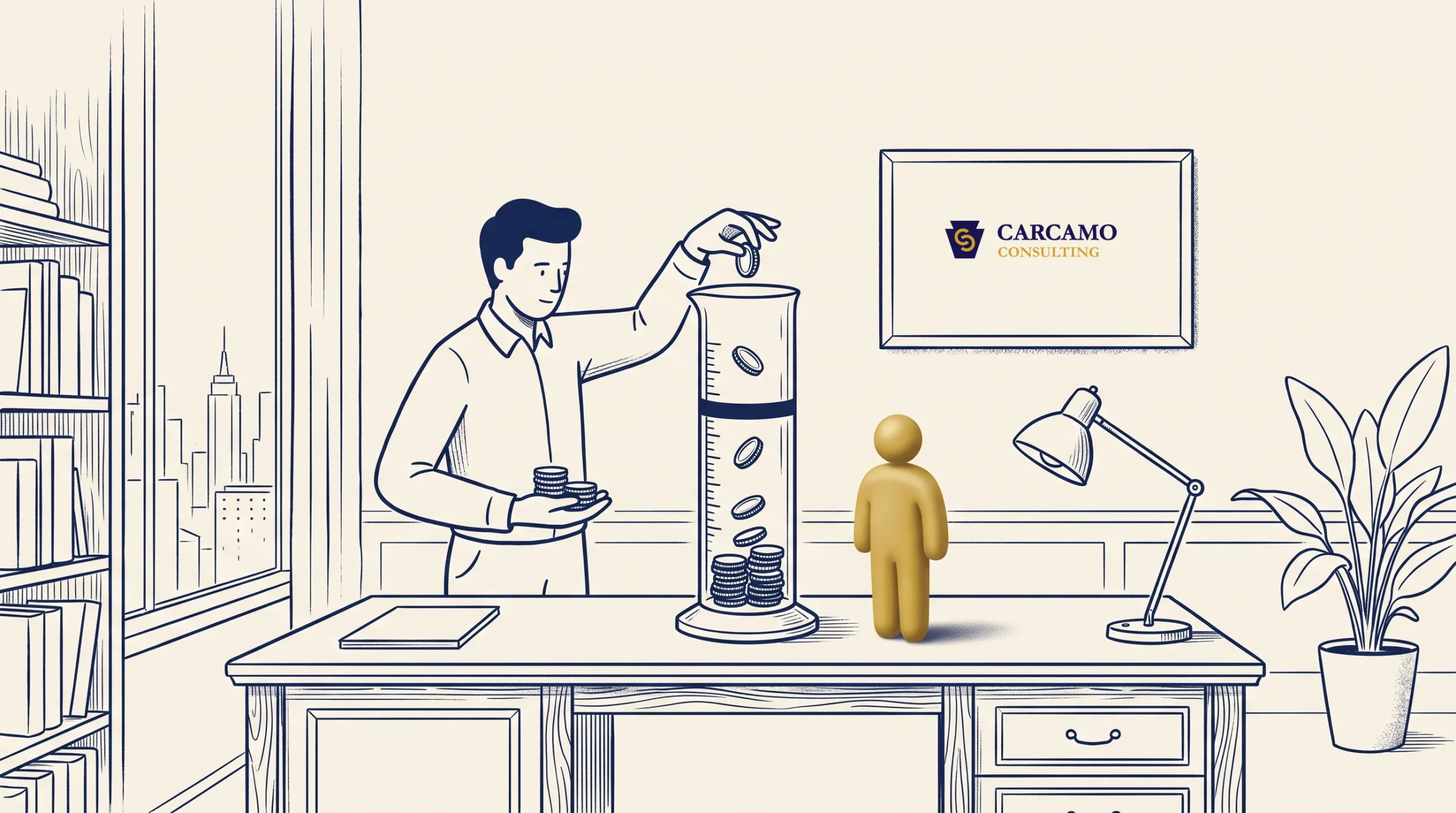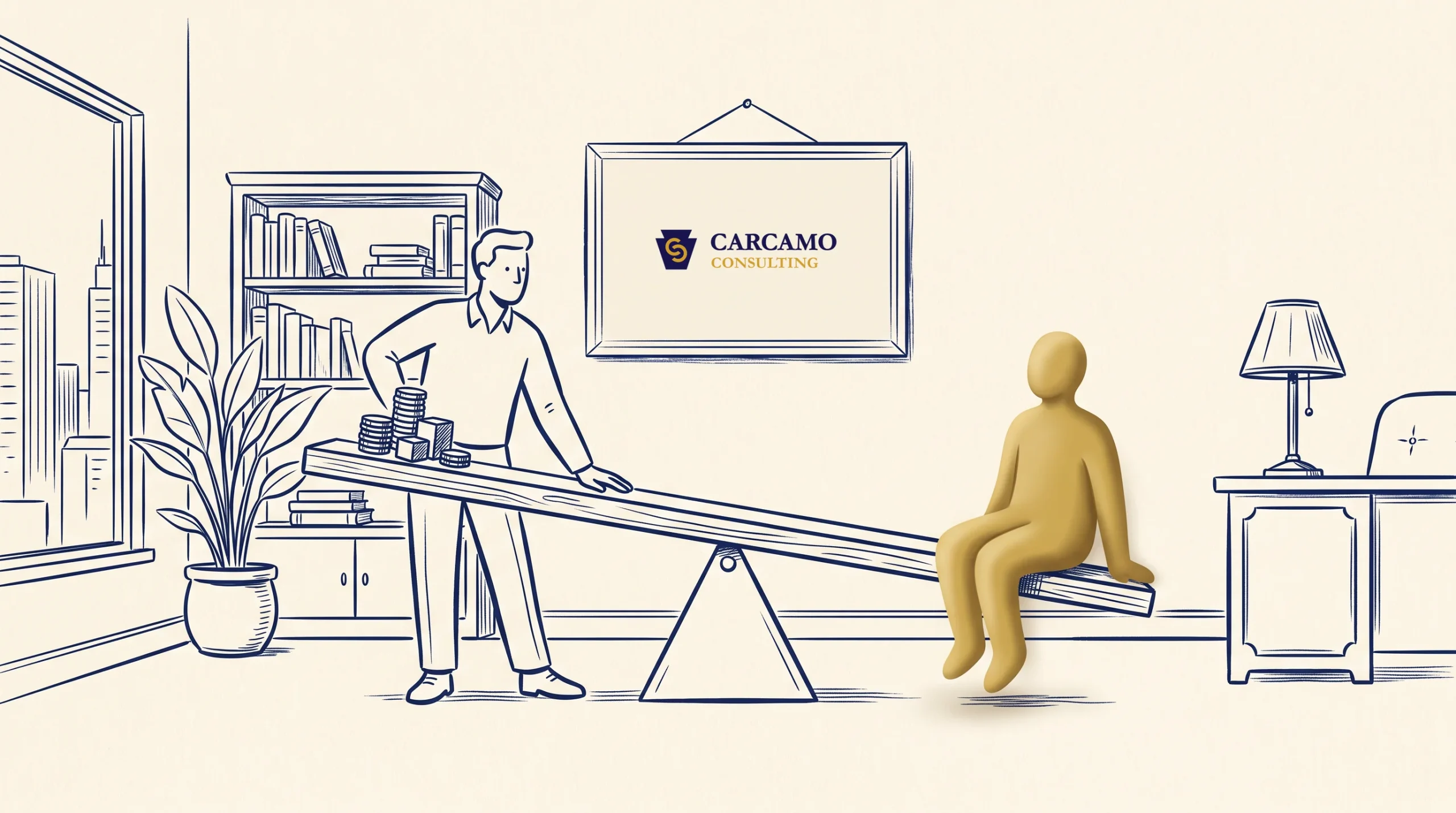
Customer lifetime value is the total profit one customer brings you over the whole time they keep buying, not just what they spend the first time. The quick formula is short. Multiply the average sale by how often that customer buys in a year, then multiply by how many years they stick around.
A cleaner whose client pays $150 a month and stays for two years is worth $3,600 in revenue, not the $150 you see on the first invoice. That gap between the first sale and the full relationship is the whole point of the number.
Once you know it, everything about getting customers gets easier. You stop guessing how much you can spend to win one, and you start deciding with a figure in hand. There is one number inside that formula that swings your lifetime value more than the other two put together, and most owners barely track it.
What customer lifetime value really means
Customer lifetime value, often shortened to LTV or CLV, is what a single customer is worth to your business across their entire relationship with you. It counts the repeat visits, the renewals, the extras, and the steady habit of coming back, then rolls them into one number.
The trap is thinking about customers one sale at a time. A restaurant owner sees a $40 dinner. A remodeler sees a $6,000 kitchen. But the diner who comes back monthly for three years and the homeowner who calls you again for the bathroom are worth many times that first ticket.
Why does this matter for a small local business? Because it changes what you can afford. If you know a customer is worth $3,600 over their life with you, spending $200 to land one is a bargain. Without the number, that same $200 feels reckless, so owners underspend, stay invisible, and lose the customer to a competitor who did the math.
Lifetime value is the number that tells you how hard you’re allowed to fight for a customer.
The customer lifetime value formula
The everyday formula for a service business is three numbers multiplied together:
LTV = average sale value x purchases per year x years the customer stays.
That’s the revenue version, and it’s the right place to start. Walk it through with a real example.
Say you run a lawn care business:
- Your average service is $60.
- A typical client buys about 18 times a year (roughly twice a month in season).
- The average client stays with you for 3 years.
Multiply them: $60 x 18 x 3 = $3,240. That’s the lifetime revenue of one typical lawn care client. Suddenly the cost of a door hanger campaign or a few months of ads looks very different, because you’re weighing it against $3,240, not against one $60 mow.
The formula flexes to any business. A hair salon might be $45 a visit, 10 visits a year, 4 years. A bookkeeper might be $300 a month, 12 months a year, 5 years. Same three levers every time: how much, how often, how long.
Knowing what a customer is worth is the other half of knowing what you can spend to get one, which is exactly why this pairs with how to calculate your customer acquisition cost. One number is what a customer costs; this one is what they return.
The three numbers you need (and where to find them)
You don’t need software to get these. You need your own records and an honest hour.
Average sale value. Add up your revenue over a stretch of time, then divide by the number of transactions in that stretch. Your point of sale, your invoicing app, or even a shoebox of receipts will give you this. It’s the easiest of the three. If you booked $54,000 across 900 jobs last year, your average sale is $60, and you already have the first number without any new tracking.
Purchases per year. How many times does a typical customer buy from you in a year? For a repeat service this is straightforward. For a business with occasional big jobs, count how often the same customer comes back across a few years and average it out.
Customer lifespan. How many years does a customer keep buying before they drift away? This is the one owners guess at, and guessing low is common. Pull a list of customers from three or four years ago and see how many are still active, and for how long the rest stayed. That real history beats any assumption.
If your business is young and you don’t have years of history yet, estimate conservatively and update the number as real data comes in. A rough LTV you revisit beats no LTV at all. The goal is a figure you can act on today, sharpened over time.
Revenue LTV versus profit LTV
The formula above gives you lifetime revenue. Useful, but it counts money that passes through your hands, not money you keep. Profit LTV is the sharper number, and it’s the one to use when you’re deciding how much to spend on marketing.
To get it, multiply your revenue LTV by your gross margin, the share of each sale left after the direct cost of delivering the work.
Back to the lawn care example. That client is worth $3,240 in revenue. If your margin after gas, equipment, and crew is about 40 percent, their profit LTV is roughly $1,300. That $1,300 is what a customer actually contributes to your business, and it’s the honest ceiling on what you can afford to spend acquiring one.
Margins change the story more than owners expect. Take two businesses with the same $3,240 revenue LTV. A remodeler running a 25 percent margin keeps about $810 of it, while a consultant running a 70 percent margin keeps roughly $2,270 from the very same revenue. The consultant can comfortably spend three times as much to win a customer and still come out ahead. That is why two owners with identical sales can afford wildly different marketing budgets, and why margin belongs in the math.
Use revenue LTV for a quick sense of scale. Use profit LTV for real decisions. The difference between them is the cost of doing the work, and pretending that cost doesn’t exist is how a “profitable” customer quietly loses you money.
One thing to leave out of LTV entirely: the cost of getting the customer in the first place. That belongs to your acquisition cost, a separate number. LTV measures what the customer is worth once they’re yours.
The number that moves LTV most: how long they stay
Of the three levers, customer lifespan is the quiet giant. It’s the loop from the top of this article, and here’s why it wins.
Lifespan multiplies everything else. A customer who spends $100 a month and stays 12 months is worth $1,200. The same customer staying 24 months is worth $2,400. You didn’t raise the price or the frequency; you just kept them longer, and the value doubled.
The compounding is dramatic. Widely cited research from Bain & Company found that lifting customer retention by just 5 percent can increase profits anywhere from 25 to nearly 95 percent, because every extra month of a relationship adds revenue at almost no new acquisition cost. You already paid to get that customer; keeping them is nearly free money. Losing one, by contrast, means paying the full acquisition cost again just to replace the revenue you already had.
For a local business, retention is not a mystery. It’s the follow-up call, the remembered name, the small courtesy, the work done right so they don’t shop around. The businesses with the highest lifetime value are rarely the ones with the flashiest ads. They’re the ones customers don’t leave. That’s the case for putting real energy into repeat customers rather than chasing only new ones.
Chase lifespan first. It’s the cheapest and most powerful lever you have.
LTV only means something next to CAC
A lifetime value number on its own is just a figure. It comes alive when you set it against what a customer costs you to acquire, your CAC.
The widely used benchmark is a 3 to 1 ratio: a customer should be worth at least three times what you spent to get them. If your profit LTV is $1,300 and it costs you $200 to land a customer, your ratio is about 6.5 to 1, which is healthy, and a signal you can afford to spend more to grow. If it costs you $700, your ratio is under 2 to 1, and something needs to change, either the cost of getting customers or the value you get from them.
This ratio is the real dashboard for growth. Together with your payback period, the time it takes to earn back what you spent, LTV and CAC tell you whether your customer engine is profitable or just busy. The full picture of how these three numbers work together lives in the economics of getting customers.
A high LTV forgives a high CAC. A low LTV means you have to win customers cheaply or not at all. The ratio, not either number alone, is what tells you which world you’re in.
How to increase your customer lifetime value
Once you’re tracking LTV, raising it becomes a clear game with three levers, in rough order of payoff for a local business:
- Keep customers longer. Retention is the biggest lever because it multiplies everything. Reliable service, genuine follow-up, and remembering who your customers are keep them from drifting to a competitor.
- Get them to buy more often. A reminder when a service is due, a maintenance plan, or a seasonal nudge turns an occasional buyer into a regular without any new acquisition cost.
- Raise the average sale. Thoughtful extras, bundles, or a simple good, better, best set of options lift what each visit is worth. This is not about squeezing people; it’s about serving more of what they already need.
- Turn customers into referrers. A happy long-term customer who sends you two more is worth far beyond their own spend, and referred customers tend to stay longer themselves. That is the multiplier behind turning one customer into three through referrals.
Notice that none of these means spending more on ads. The highest value businesses grow lifetime value by serving existing customers better, not by pouring more money into the top of the funnel. Retention and repeat business are where the quiet profit lives.
Frequently asked questions
How do you calculate customer lifetime value?
Multiply the average sale by how many times a customer buys per year, then by how many years they stay. A $60 service bought 18 times a year for 3 years gives an LTV of $3,240 in revenue. Multiply by your gross margin to get profit LTV, the number to use for spending decisions.
Should LTV use revenue or profit?
Both have a use. Revenue LTV gives you a fast sense of scale. Profit LTV, which multiplies revenue by your gross margin, is the honest number for deciding how much to spend on marketing, because it reflects money you actually keep.
What is the difference between LTV and CAC?
LTV is what a customer is worth to you over their whole relationship. CAC is what it costs to get them in the first place. LTV only means something next to CAC, and a healthy business aims for a customer worth at least three times what it paid to acquire them.
How do I find my average customer lifespan without software?
Pull a list of customers from three or four years ago and see how long each one kept buying before they went quiet. Average those lengths. Your own records, even messy ones, give a more honest lifespan than any guess or industry average.
What is a good customer lifetime value?
There’s no universal number, because it depends entirely on your prices and margins. A good LTV is one that comfortably clears your acquisition cost, ideally by three times or more. The ratio between the two matters far more than the LTV figure on its own.
What’s the fastest way to increase LTV?
Keep customers longer. Retention multiplies every other number, and improving it even slightly can lift profit sharply because you’ve already paid to acquire those customers. Reliable service and real follow-up do more for LTV than any ad.
If you’re trying to work out what your customers are really worth and how much you can afford to spend to get more of them, that’s exactly the kind of math we help small business owners sort out. Ask us, and a real person will walk through your numbers with you.
 Previous