
When you are weighing repeat customers vs new customers, the split comes down to this. A brand-new business has to chase new customers because it has no base to keep. But almost every established owner is pouring too much energy into finding new people and not nearly enough into keeping the ones they already won.
Repeat customers are cheaper to sell to, easier to please, and far more likely to buy again. For most small businesses, the biggest untapped growth is sitting in your existing customer list.
That does not mean new customers do not matter. You need both. The question is where your limited time, attention, and budget earn the most, and the answer changes with where your business is in its life.
Here is how the two compare, what the numbers actually say, and a simple way to decide where your energy should go this quarter.
The quick verdict
If you only remember one thing, remember this framework:
- Brand new, no customer base yet? Spend almost all your energy getting new customers. You cannot retain people you do not have.
- Established, with a steady base of past customers? Tilt your energy toward keeping and reactivating them, while still bringing in a healthy trickle of new ones.
- Somewhere in the middle? Default to fixing your retention first, because that is the side most owners neglect, then layer acquisition on top.
The trap is treating “get more customers” as the only growth lever. For a business with any history, a small lift in how many customers come back is usually cheaper and faster than the same lift in brand-new sales.
What new customers give you
New customers are how a business grows beyond its starting point. There is no substitute for them at certain moments, and they do things repeat customers cannot.
- Reach and growth. A bigger customer base raises your ceiling. Repeat business can only ever be a share of the customers you have already earned.
- Validation. Strangers choosing you proves the offer works on people who owe you nothing. That signal matters early.
- Insurance against churn. Every business loses customers over time: people move, needs change, life happens. A steady inflow of new customers replaces the ones who naturally drift away.
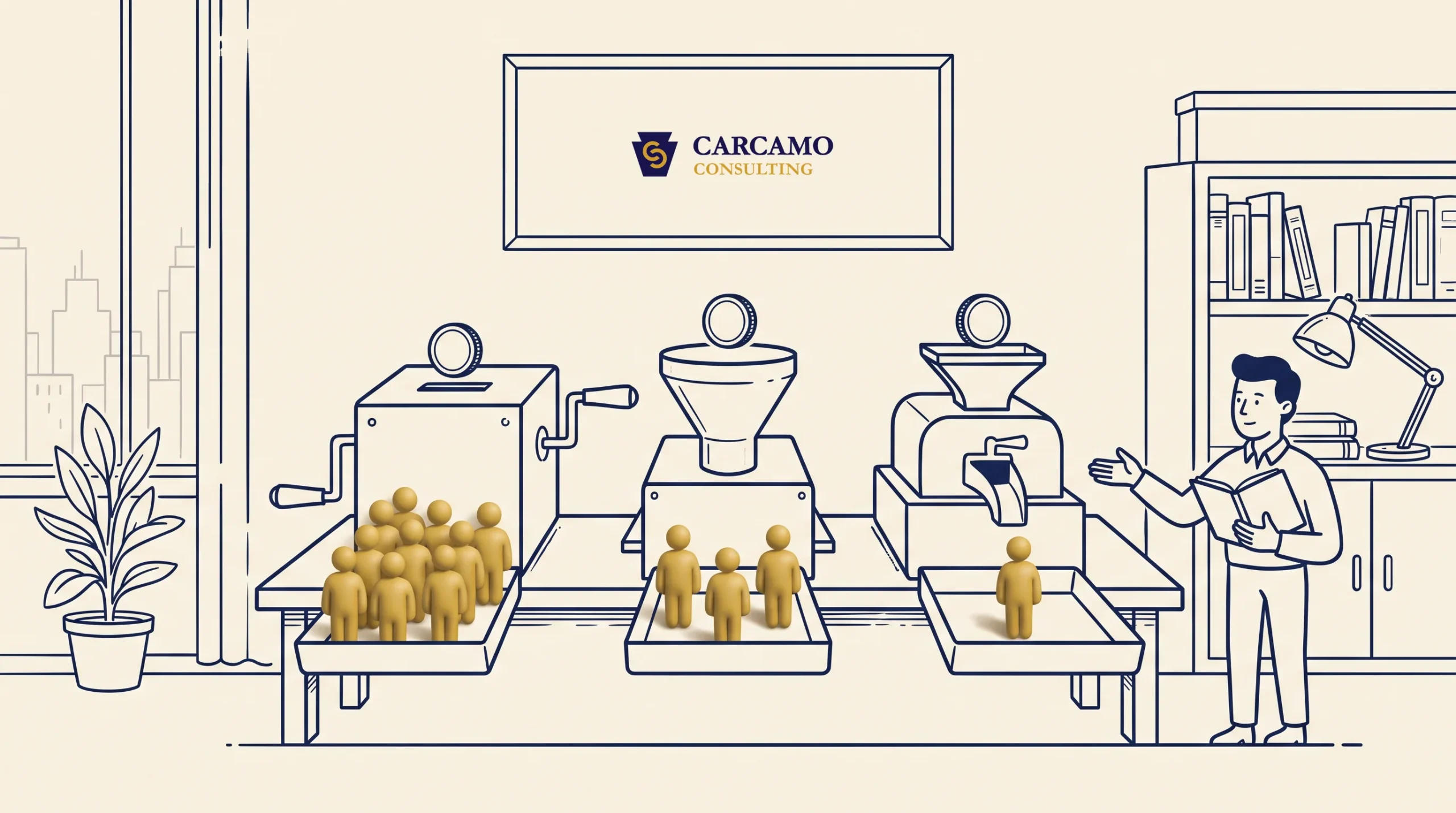
The cost is the catch. Winning a stranger means earning trust from zero, which takes more marketing, more touchpoints, and more rejection. Frequently cited marketing research puts the success rate of selling to a brand-new prospect at roughly 5 to 20 percent, compared with 60 to 70 percent when selling to someone who has already bought from you.
If getting new customers is your main gap right now, work through the fundamentals first. Our complete playbook for getting customers lays out the channels in order so you are not guessing.
What repeat customers give you
Repeat customers are the quietest, most underrated asset a small business has. They already know you, trust you, and have shown they will pay. That changes the economics in your favor.
- They cost far less to sell to. No ad spend to find them, no long trust-building cycle. A short message to a past customer often does what a whole campaign does for a stranger.
- They convert much more often. The 60 to 70 percent success rate with existing customers, versus 5 to 20 percent for new prospects, is the difference between a warm hello and a cold pitch.
- They tend to spend more over time. As trust grows, customers buy more often and reach for your higher-value services.
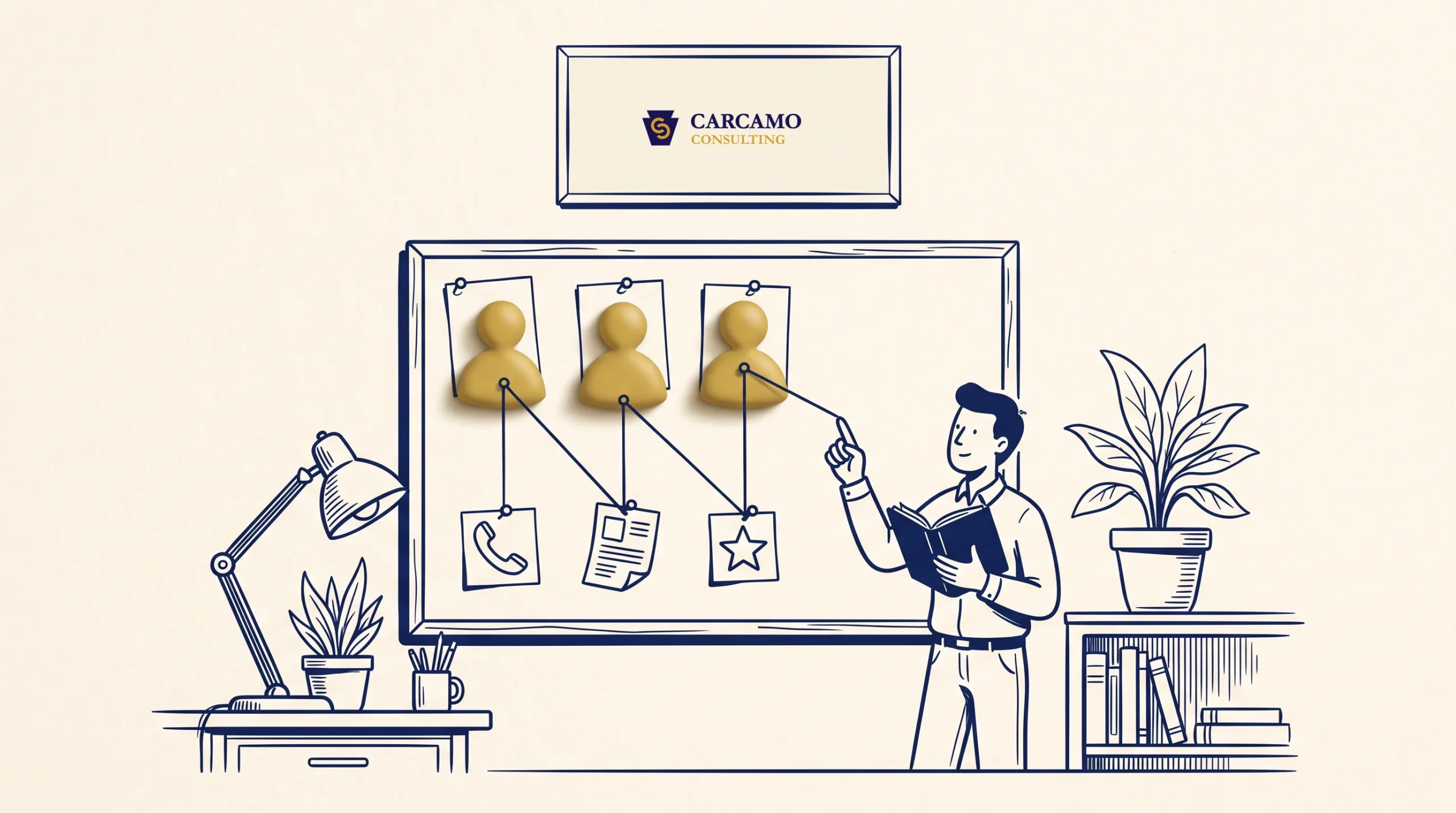
- They feed your acquisition for free. Happy repeat customers refer their friends and leave the reviews that win strangers. Retention and acquisition are not rivals here; keeping customers is one of the cheapest ways to get new ones.
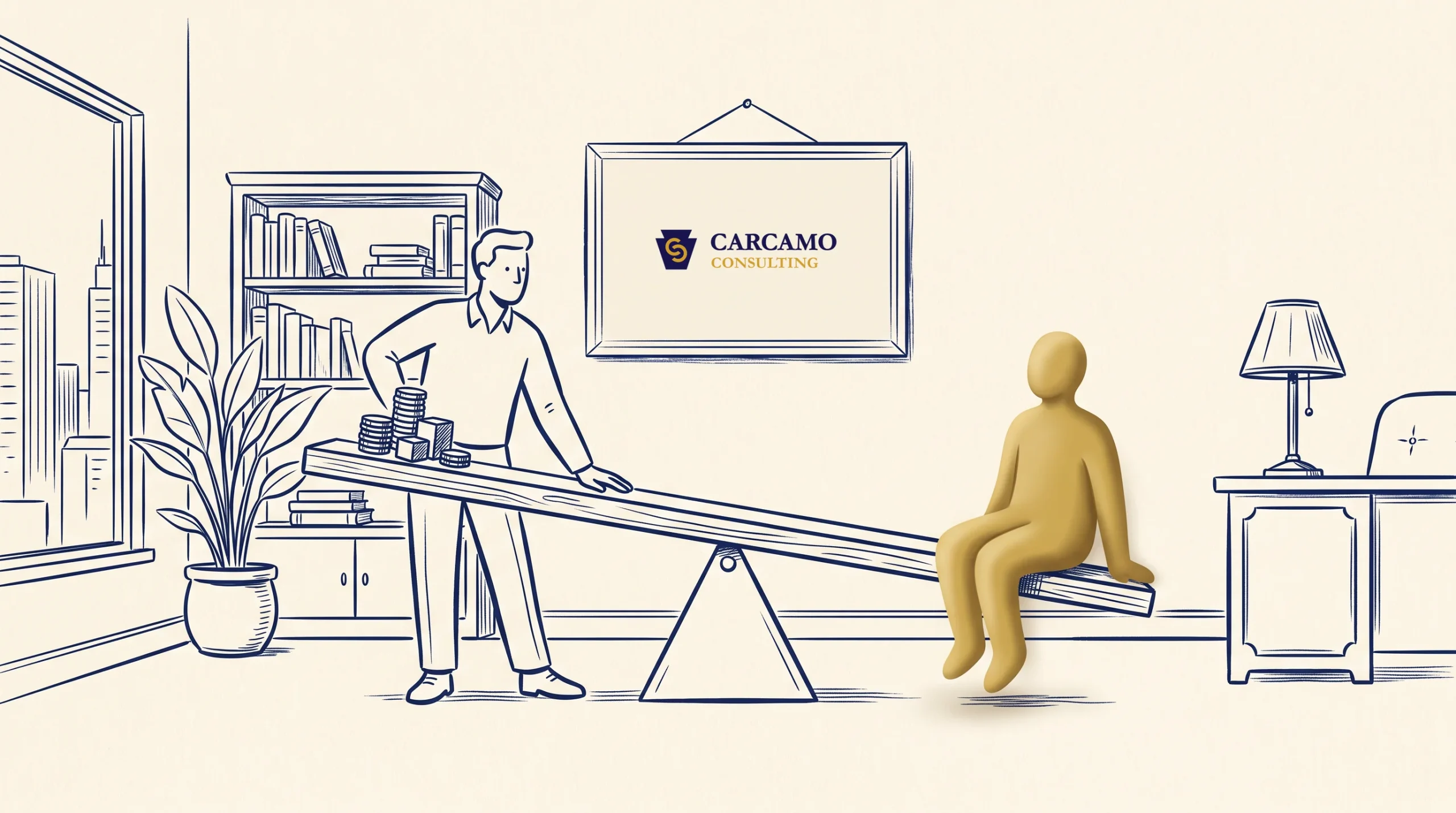
The headline numbers are worth knowing, with one important caveat. Widely cited research, often credited to Bain & Company, estimates that acquiring a new customer costs roughly five to twenty-five times more than retaining an existing one, and that a 5 percent increase in customer retention can lift profits anywhere from 25 to 95 percent.
Those figures are rules of thumb, and the famous “five times” number traces back to 2014 or earlier, so treat them as direction rather than precision. Even discounted, the direction is unmistakable: keeping customers is cheaper than replacing them.
That referral loop is the cheapest channel you have, which is exactly why word-of-mouth stays the lowest-cost way to get customers.
New vs repeat customers, side by side
| Factor | New customers | Repeat customers |
|---|---|---|
| Cost to win the sale | High: ads, outreach, trust-building from zero | Low: they already know and trust you |
| Conversion rate | Roughly 5 to 20 percent | Roughly 60 to 70 percent |
| What they are best for | Growth, reach, replacing natural churn | Profit, stability, referrals and reviews |
| Effort per dollar earned | Higher | Lower |
| When to prioritize | Early stage, or when your base is shrinking | Once you have a base worth keeping |
The table makes the pattern clear. New customers expand the top of your business; repeat customers deepen the profit underneath it. A healthy business runs both, but they answer different questions.
Where you should put your energy
Translate the comparison into a decision for your specific situation.
If you are still building your first base, acquisition is the job. Spend your energy where new customers actually find you, and do not over-engineer loyalty programs for customers you have not won yet. Getting your first wave of buyers is its own challenge, and it deserves your focus until you have a base to protect.
If you have a real customer list and steady repeat business, shift the balance. Most established owners are surprised how little they do to bring past customers back: no follow-up, no reminder, no reason to return. A simple reactivation habit, reaching out to people who bought six or twelve months ago, often beats the next ad campaign on cost and conversion.
If you are in the messy middle, which is most small businesses, default to retention first. It is the side almost everyone neglects, and the gains are cheaper to capture. Plug the leaks, then turn the acquisition tap back up.
A useful gut check: look at your last 90 days of revenue and ask roughly how much came from new customers versus returning ones. If you cannot answer, that is itself the signal that retention has been running on autopilot.
The leaky bucket trap
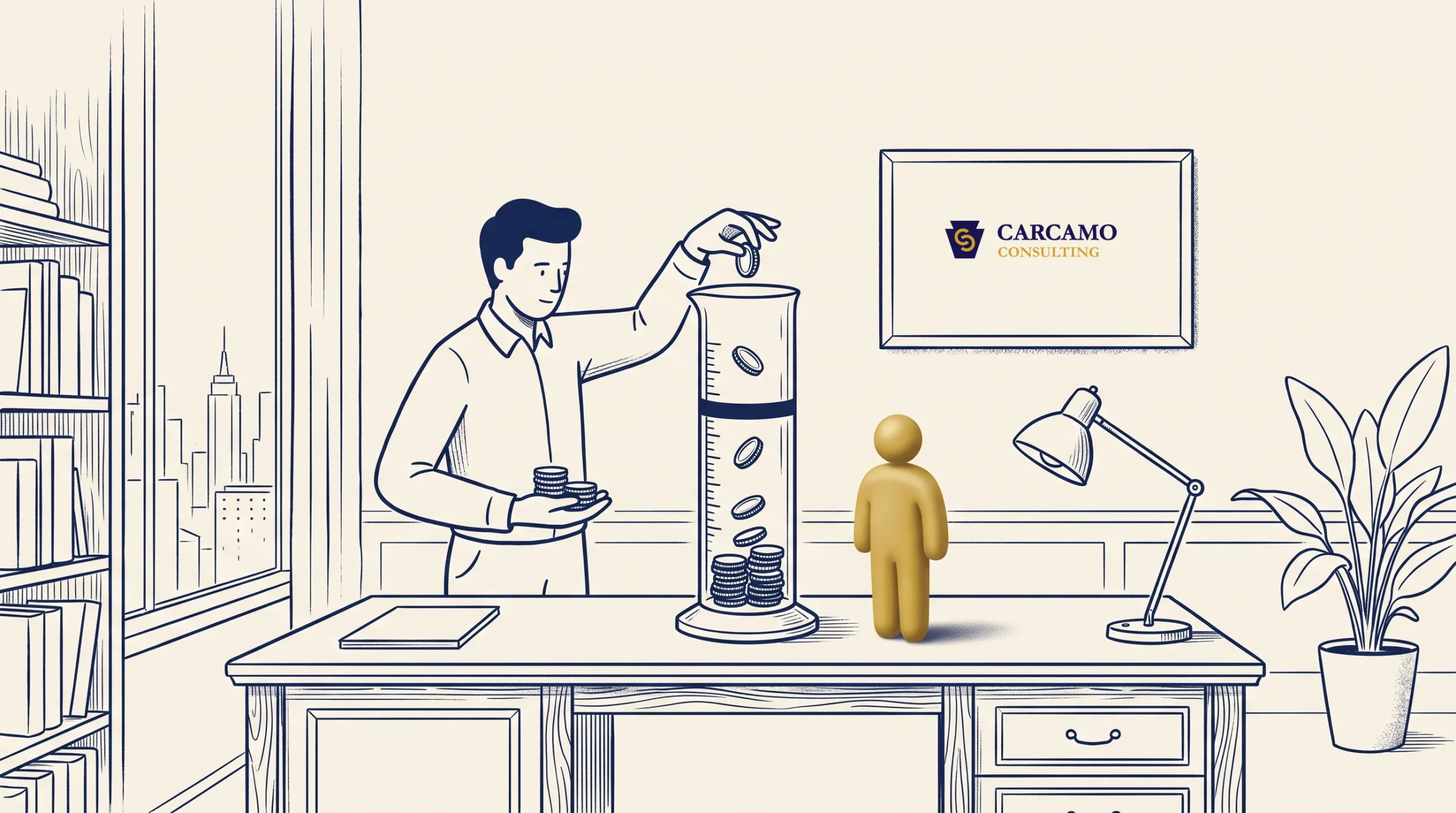
The most expensive mistake in small business is treating customers like a bucket you keep refilling from the top while it drains out the bottom. You pour money into ads to win new customers, deliver once, then never speak to them again, so they quietly drift to the next option. Then you pour in more.
A business that loses customers as fast as it wins them has to spend forever just to stand still. Every dollar of acquisition is working to replace someone you already paid to win, instead of building on them.
Patching the holes is cheaper than running the tap harder. A customer who comes back twice is worth far more than two one-time strangers, and it costs you a fraction as much to earn that second visit.
How to actually keep customers coming back
Retention is not a software platform or a points program for most small businesses. It is mostly follow-through.
- Deliver something worth returning for. Nothing else matters if the core experience is average. Be the one they would feel silly leaving.
- Stay in touch on purpose. A short check-in, a seasonal reminder, a quick “we are due to see you again.” Most customers do not leave angry; they just forget.
- Make the second purchase easy. Remove friction. Offer the obvious next service before they have to ask.
- Ask happy customers for proof. A returning customer is your best source of testimonials and case studies, which then win the next stranger for free. Here is how to collect testimonials and case studies from clients.
Do these and retention takes care of itself, which frees your acquisition budget to actually grow the business instead of patching it.
Where to land
Build with both, but for most established small businesses, put the next unit of energy into repeat customers. They cost less, convert more, spend more, and hand you referrals on top. Keep a steady stream of new customers coming so your base does not shrink, and lean on acquisition hard when you are brand new or your base is slipping. Beyond that, the cheapest growth you have is the customers who already said yes once.
If you are not sure which side your business should be leaning on right now, that is exactly the kind of thing we help owners figure out. Send us your questions and we will look at your situation with you.
Frequently asked questions
Is it cheaper to keep a customer or get a new one?
Keeping a customer is almost always cheaper. Widely cited research, often credited to Bain & Company, estimates that acquiring a new customer costs roughly five to twenty-five times more than retaining an existing one. The reason is simple: you spend nothing to find a past customer and little to rebuild trust, while a new customer has to be reached and convinced from scratch.
How much more does it cost to acquire a new customer than to retain one?
The commonly quoted figure is five times, and some studies put it as high as twenty-five times depending on the industry. It is worth knowing the “five times” rule is old, tracing back to 2014 or earlier, so treat it as a direction rather than an exact number. Even on the conservative end, winning a stranger costs meaningfully more than keeping someone who already bought.
Should a brand-new business focus on acquisition or retention?
A brand-new business should focus almost entirely on acquisition. You cannot retain customers you do not have yet, so your energy belongs in getting that first base of buyers. Retention becomes the priority later, once you have a steady group of past customers worth keeping and reactivating.
Do repeat customers really spend more than new ones?
Generally yes. As trust builds, returning customers tend to buy more often and move up to your higher-value services, because they no longer need convincing that you are worth it. They also convert far more readily, with selling success rates often cited at 60 to 70 percent versus 5 to 20 percent for new prospects.
Can you grow a business on repeat customers alone?
Not indefinitely. Repeat business can only ever be a share of the customers you have already won, and every business loses some customers over time to moves, changing needs, and plain life. You need enough new customers to replace that natural churn and lift your ceiling. The goal is balance: a loyal base plus a steady inflow, not one without the other.
What percentage of revenue should come from repeat customers?
There is no universal number, since it varies by industry and business age. A useful exercise is to look at your last 90 days and see roughly how much revenue came from returning customers versus new ones. If repeat business is a small slice and you have been operating for a while, that is a sign your retention has been neglected and there is cheap growth waiting there.
How do I get more repeat customers?
Deliver an experience worth returning for, then stay in touch on purpose so customers do not simply forget you. Reach out to people who bought six or twelve months ago, make the second purchase easy, and ask your happy returning customers for referrals and reviews. Most repeat business is lost to silence, not dissatisfaction, so consistent, genuine follow-up is the largest lever.
 Previous