
Ad costs keep climbing, and the second you stop paying, the leads stop coming. Meanwhile a single happy customer can send you three more without costing you a dollar. That gap is why word-of-mouth is still the cheapest customer acquisition channel a small business has, even in a world of endless paid options.
Word-of-mouth is the cheapest way to get customers because it has almost no upfront cost, the leads it sends convert far more often than ads, and those customers stick around longer and spend more. You earn it by doing good work, not by buying it. This explains why that math wins, where it has limits, and how to start the engine.
What the cheapest customer acquisition channel really means
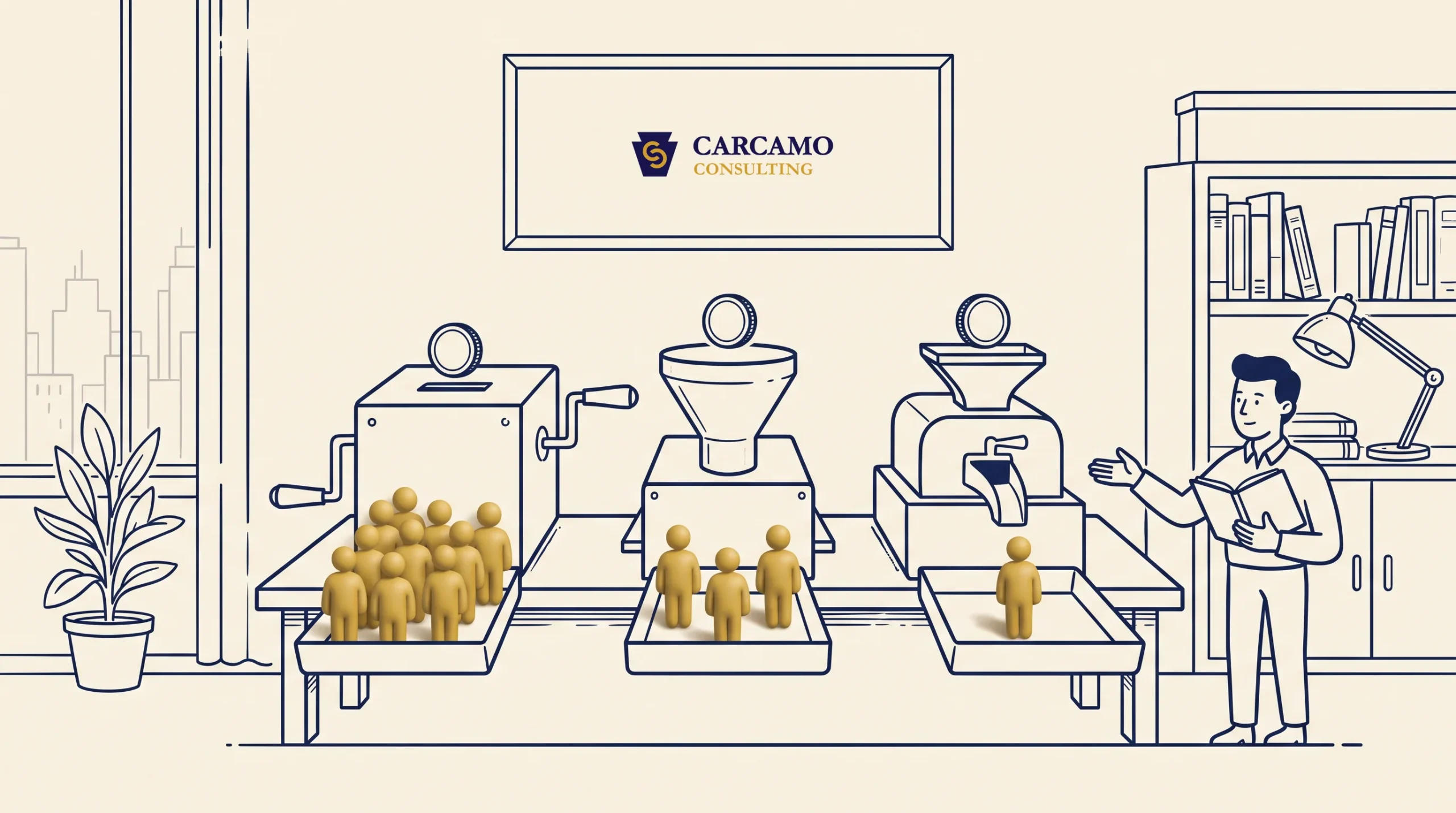
Cheap is not just about the price tag at the top. The real number that matters is what it costs you to land one paying customer, and word-of-mouth wins that math on three fronts at once.
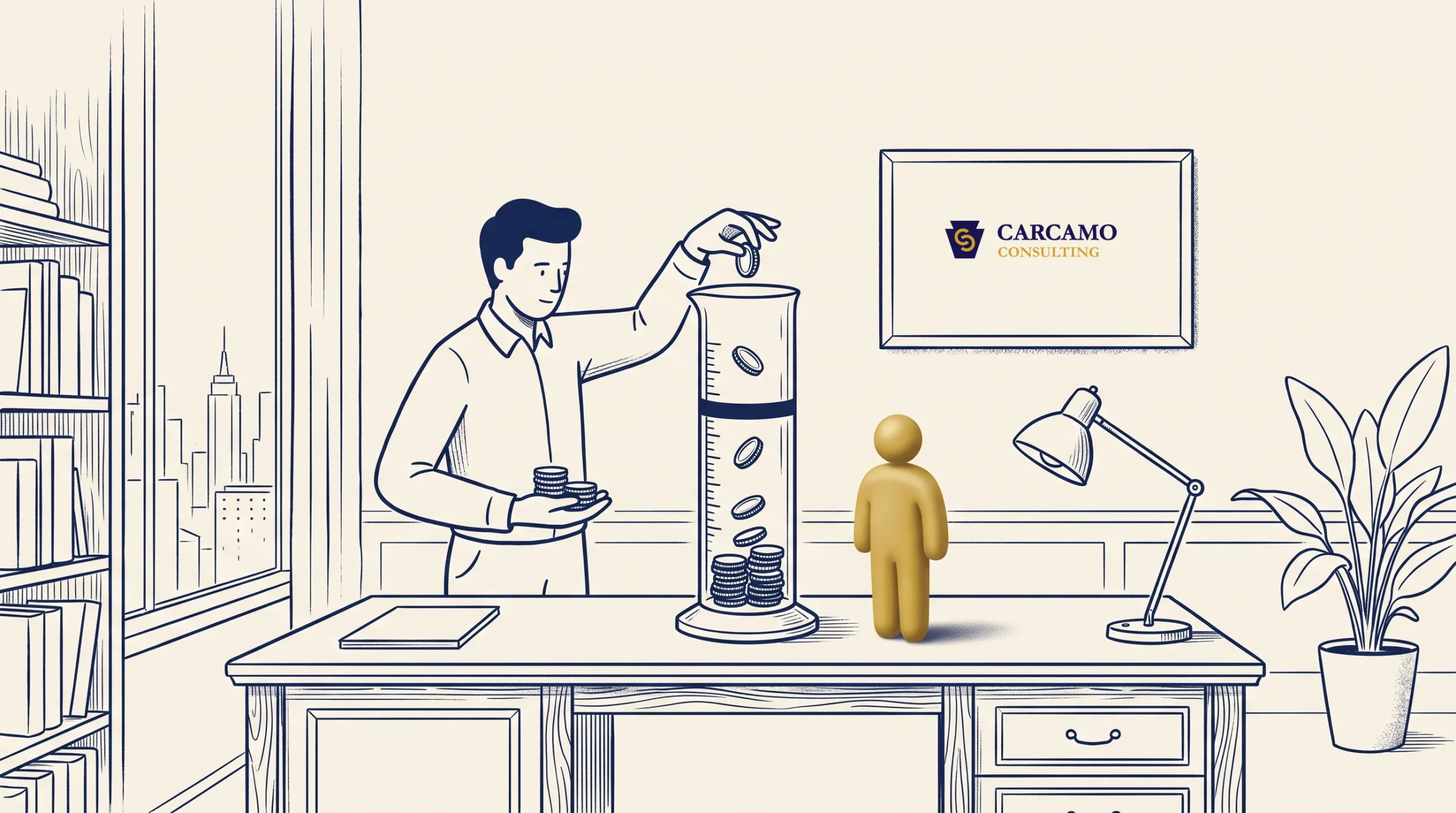
The upfront cost is close to zero, because a referral does not buy impressions or clicks. It rides on work you already did for an existing customer, so the only spend is delivering a good experience, which you owe them anyway.
The leads convert better, because a recommendation from a friend arrives with trust already built in. Referred leads are several times more likely to convert than cold leads from an ad, since someone the buyer trusts already vouched for you.
The customers are worth more, since referred customers tend to stay longer, spend more, and refer others in turn. Research consistently puts their lifetime value well above customers won through paid channels.
Add it up and the cost per customer is dramatically lower than paid advertising, often less than half. That is what makes it the cheapest channel, not the zero on the invoice.
Why paid ads cost more than they look
Paid ads are not bad. They are fast, controllable, and great for reach. But they have a structural problem that word-of-mouth does not.
Ads rent attention, while word-of-mouth builds an asset, and that is the whole difference. The moment you stop funding a campaign, the traffic stops. A reputation that makes customers recommend you keeps working whether or not you spent anything this month.
Acquisition costs through paid channels have also been climbing hard, rising sharply over the last few years as more businesses bid for the same attention. You are paying more each year for the same click. Word-of-mouth moves the other way: the more satisfied customers you have, the more referrals you get, so the cost per customer tends to fall as you grow.
This is the compounding part. Each happy customer can create the next one, and that one creates another. Ads do not compound; you pay full price for every single lead, every time.
The catch nobody mentions: cheap is not automatic
Word-of-mouth being free does not mean it happens on its own. This is where most businesses leave money on the table.
The large majority of satisfied customers never refer anyone, not because they are unhappy, but because nobody ever made it easy or asked. They had a great experience, then went on with their day and forgot.
So “cheapest channel” comes with one small price: a deliberate habit. You do not have to pay for word-of-mouth, but you do have to prompt it. That means asking at the right moment and making the referral effortless. The full playbook is in our guide on how to get customers through referrals and word-of-mouth.
If you want to make it repeatable rather than occasional, a light structure helps. Our walkthrough on building a customer referral program that actually works shows how to turn the habit into a system without it feeling forced.
Where word-of-mouth has limits
The honest picture matters, because word-of-mouth is not a complete plan by itself.
- Slower to scale, because you cannot flip a switch and triple referrals next week the way you can raise an ad budget.
- Less controllable, since you influence it but cannot aim it at a specific zip code or audience on demand.
- It needs a starting base, so with very few customers yet, there are few people to do the recommending.
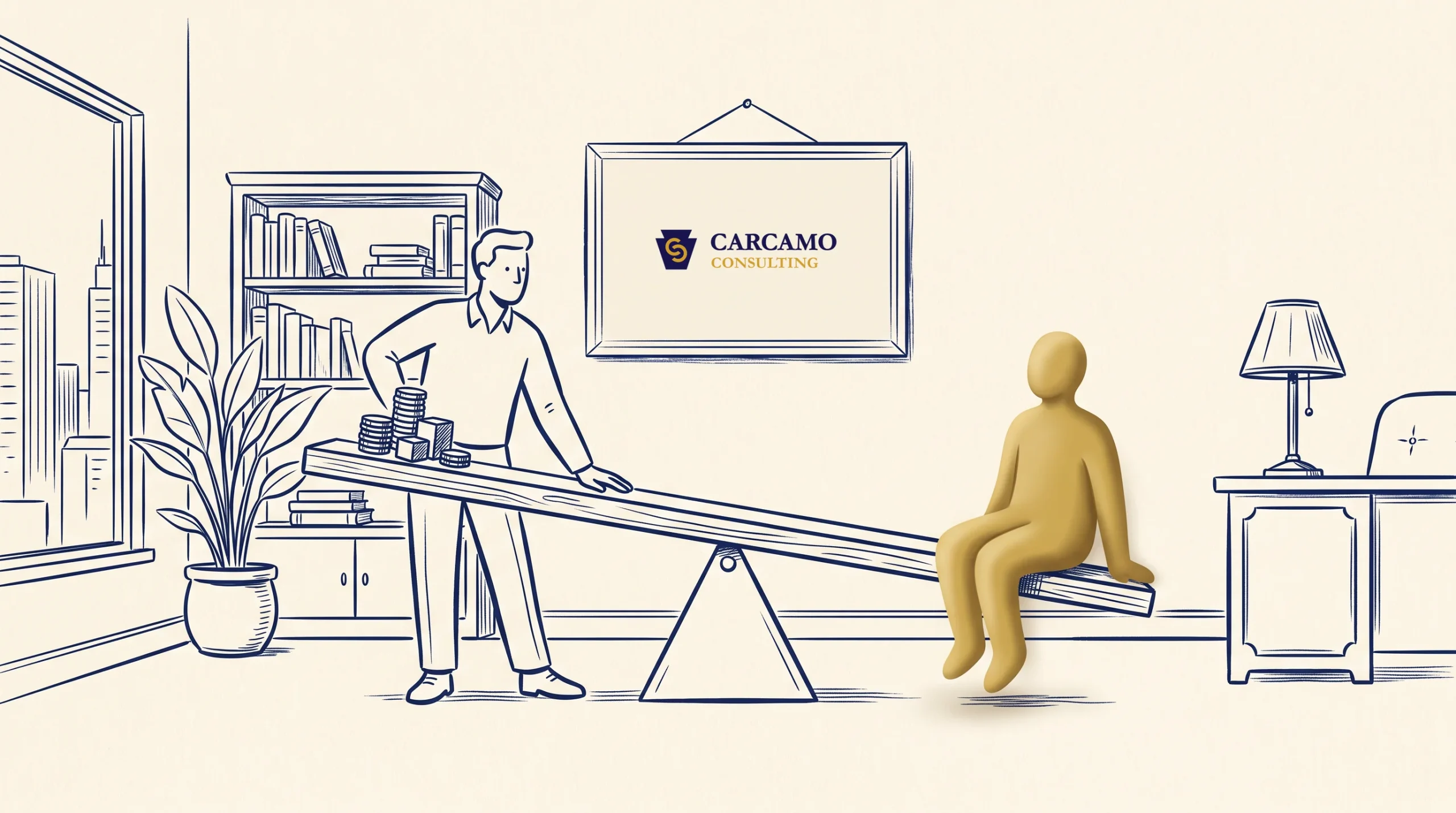
This is why word-of-mouth pairs with other channels rather than replacing them. Paid ads or local search can prime the pump and bring in that first wave; word-of-mouth then lowers your average cost as those customers refer the next ones. If you are weighing where to start, our comparison of organic versus paid customer acquisition lays out the trade-offs.
How to start the engine this week
You do not need a budget to begin. You need a habit and a little intention.
- Do work worth talking about, since the whole thing rests on an experience people want to mention. Exceed the expectation in one memorable way.
- Ask simply, at the right time, right after a customer is visibly happy: let them know you grow by referrals and would appreciate one.
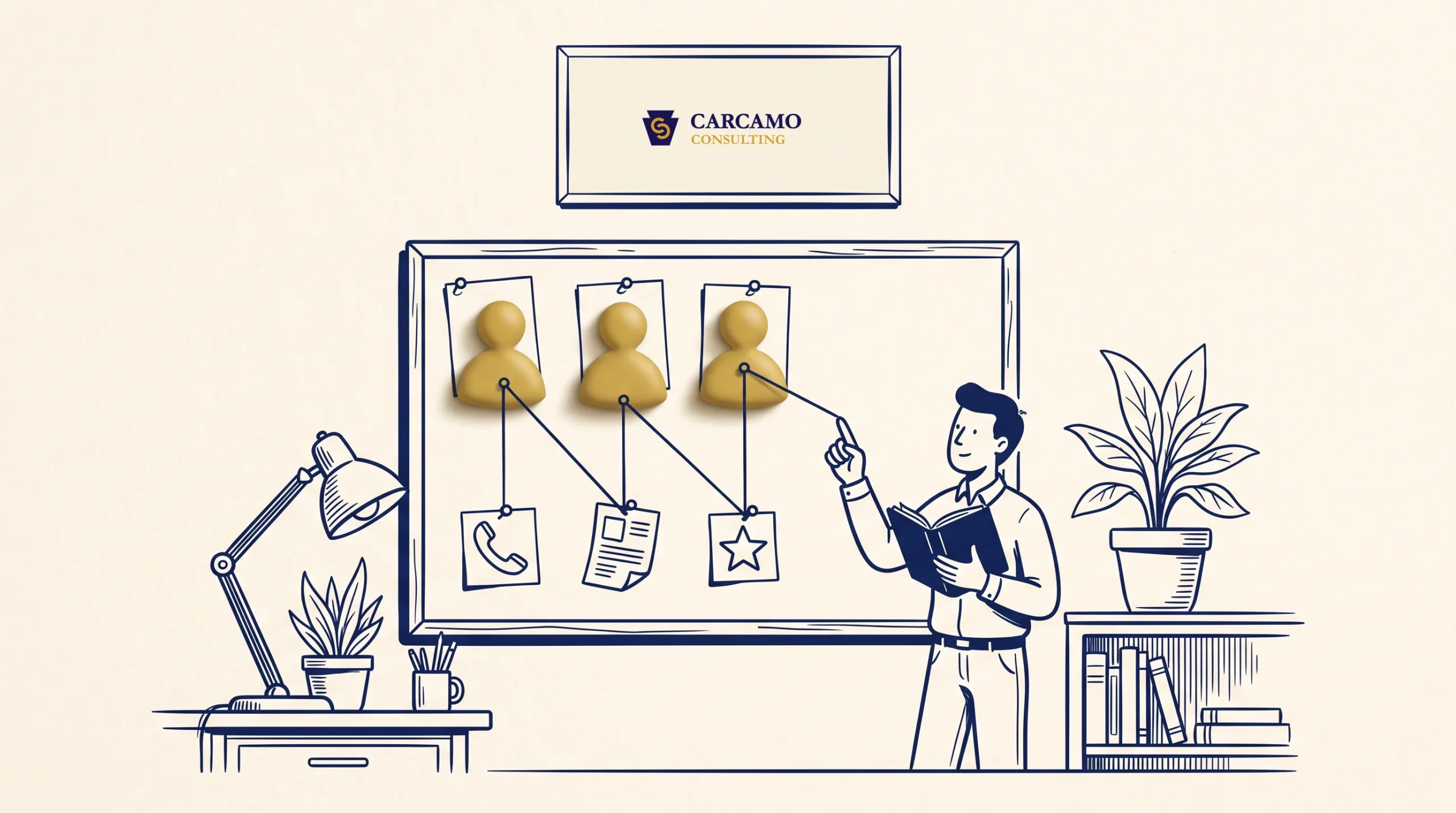
- Make it effortless, handing them something easy to pass along, whether that is your name and number or a quick link.
- Track how people found you, asking every new customer how they heard about you so you can see word-of-mouth working and double down.
None of that costs money. It costs a few minutes and the willingness to ask, which is exactly why it stays the cheapest customer acquisition channel year after year.
When you want help building this into how your business runs, alongside the other channels that fit your goals, that is the kind of thing you can ask us about.
Frequently asked questions
Is word-of-mouth marketing still effective?
Yes, more than ever. People trust personal recommendations far above any form of advertising, and that trust translates into much higher conversion rates than paid channels. As ads get more expensive and easier to ignore, a recommendation from someone you know carries even more weight.
Is word-of-mouth marketing actually free?
It is close to free, but not effortless. You are not paying for impressions or clicks, so there is no ad spend. The cost is the work of delivering an experience worth talking about and the small effort of asking customers to share it. That is why the cost per customer is so low, even though it is not literally zero.
Is word-of-mouth better than paid advertising?
For cost per customer and customer quality, usually yes. For speed and control, paid ads win. The two do different jobs: ads buy fast, targeted reach, while word-of-mouth delivers cheaper, higher-trust customers over time. Most small businesses do best using ads to prime the pump and word-of-mouth to lower their average cost.
Why don’t happy customers refer me on their own?
Most simply forget or assume you are busy enough. The large majority of satisfied customers never refer anyone, usually because no one made it easy or asked them to. A simple, well-timed request closes most of that gap.
How do I measure word-of-mouth?
Ask every new customer how they heard about you and write it down. Over a few months you will see what share comes from referrals versus other channels. You can also watch for reviews, tags, and direct mentions, but the “how did you find us” question is the simplest and most reliable signal.
 Previous