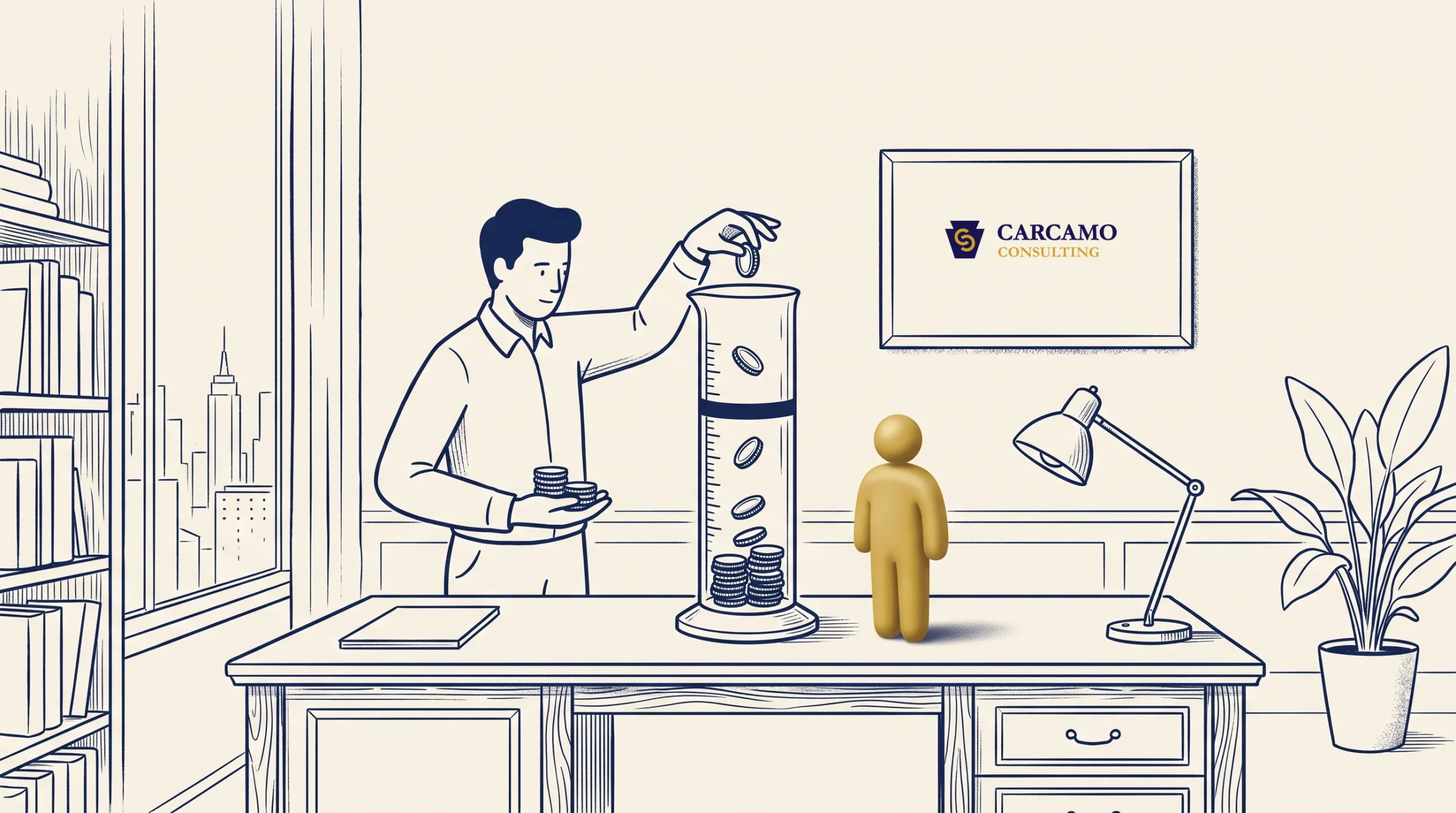

Your customer acquisition cost is what you spend, on average, to turn a stranger into a paying customer. The math is simple. Add up everything you spent on sales and marketing over a stretch of time, then divide by the number of new customers you won in that same stretch. Spend $800 one month on ads, flyers, and a booth at the street fair, land 20 new customers, and your customer acquisition cost is $40 a customer.
That one number tells you whether the money you spend to get work is actually paying for itself, or quietly draining the account while you stay busy.
There is one cost almost every owner leaves out of that math, and leaving it out makes the number look far healthier than your bank balance feels. Add it back, and a lot of “cheap” marketing turns out to be the most expensive kind you run.
What customer acquisition cost really means
Customer acquisition cost, or CAC, is the price you pay to get one new customer through the door. It bundles together every dollar and every hour that went into finding that person, earning their trust, and closing the sale, then spreads it across all the customers you actually landed.
Think of it as the true sticker price on a new customer. Not the cost of the ad they clicked, but the cost of the whole effort that produced them.
Why does it matter so much for a small local business? Because you don’t have a giant budget to hide mistakes in. If you’re a cleaner, a remodeler, or a restaurant owner, every dollar you put into getting found is a dollar that isn’t paying your rent or your crew. CAC is the number that tells you if that trade is worth it.
Most owners run on a gut feeling here. They sense that “the ads are working” or “the flyers were a waste,” but they can’t say by how much. CAC replaces the feeling with a figure you can actually manage. Once you know it costs you $40 to get a customer and that customer spends $600 with you over time, you stop guessing and start deciding.
The customer acquisition cost formula
Here’s the whole formula, and it’s short:
CAC = total sales and marketing spend divided by the number of new customers won in the same period.
That’s it. Two numbers, one division. The skill is in getting both numbers honest.
Say you run a small remodeling business. Over three months you spent the following to bring in work:
- $1,500 on Google and Facebook ads
- $300 on printed flyers and door hangers
- $200 on your listing and photos for a directory site
- $600 for a part-time helper who answered calls and followed up on quotes
That’s $2,600 spent to get customers over the quarter. In those same three months, you signed 13 new jobs from people who weren’t customers before. Divide $2,600 by 13 and your customer acquisition cost is $200 a customer.
Now the number does real work. If your average remodeling job clears $2,000 in profit, $200 to land it is a bargain and you should spend more.
If you were selling a $150 service, that same $200 would mean you lose money on every new customer, and you’d need to fix something fast. Knowing what a customer is worth before you spend to get one is its own exercise, and it’s worth doing alongside this. Our guide on what a paid customer is worth before you advertise walks through that side of the math.
The formula never changes. What changes, and what trips people up, is what you feed into it.
What to count as a cost (and the one owners forget)
The honesty of your CAC lives entirely in the top number. Leave costs out and you’ll get a flattering figure that lies to you.
Count everything that exists to bring in customers:
- Ad spend on every platform: Google, Facebook, Instagram, local sites.
- Content and creative: the designer who made your flyer, the photographer who shot your work, the fee for a logo or a landing page.
- Tools and software tied to marketing: your email platform, your booking or CRM tool, a scheduling app.
- Anyone you pay to sell or market: a part-time social media helper, a commission to a salesperson, a bonus for a booked job.
- Physical marketing: signs, vehicle wraps, event booths, sponsorships, business cards.
Now the cost nearly everyone forgets, the one from the top of this article. It’s your own time. If you spend ten hours a week posting on social media, chasing quotes, and meeting prospects for coffee, that time has a price even though no check leaves your account. Value your hour at what you’d pay someone to replace you, then add those hours to the pile.
This is the difference between marketing that feels free and marketing that actually is. A solo owner who “saves money” by doing all the outreach themselves often has a sky-high real CAC, because the most expensive person in the business is spending half the week on unpaid sales work. When you price your own time in, you can finally compare doing it yourself against paying someone, honestly.
One thing to leave out: the cost of delivering the work itself. The paint, the cleaning supplies, the food, the labor to do the actual job are cost of goods, not acquisition cost. CAC is only what you spend to get the customer, not to serve them.
Blended CAC versus channel CAC
The formula above gives you a blended CAC, one average across everything you do. It’s the right place to start, and for a very small operation it may be all you need.
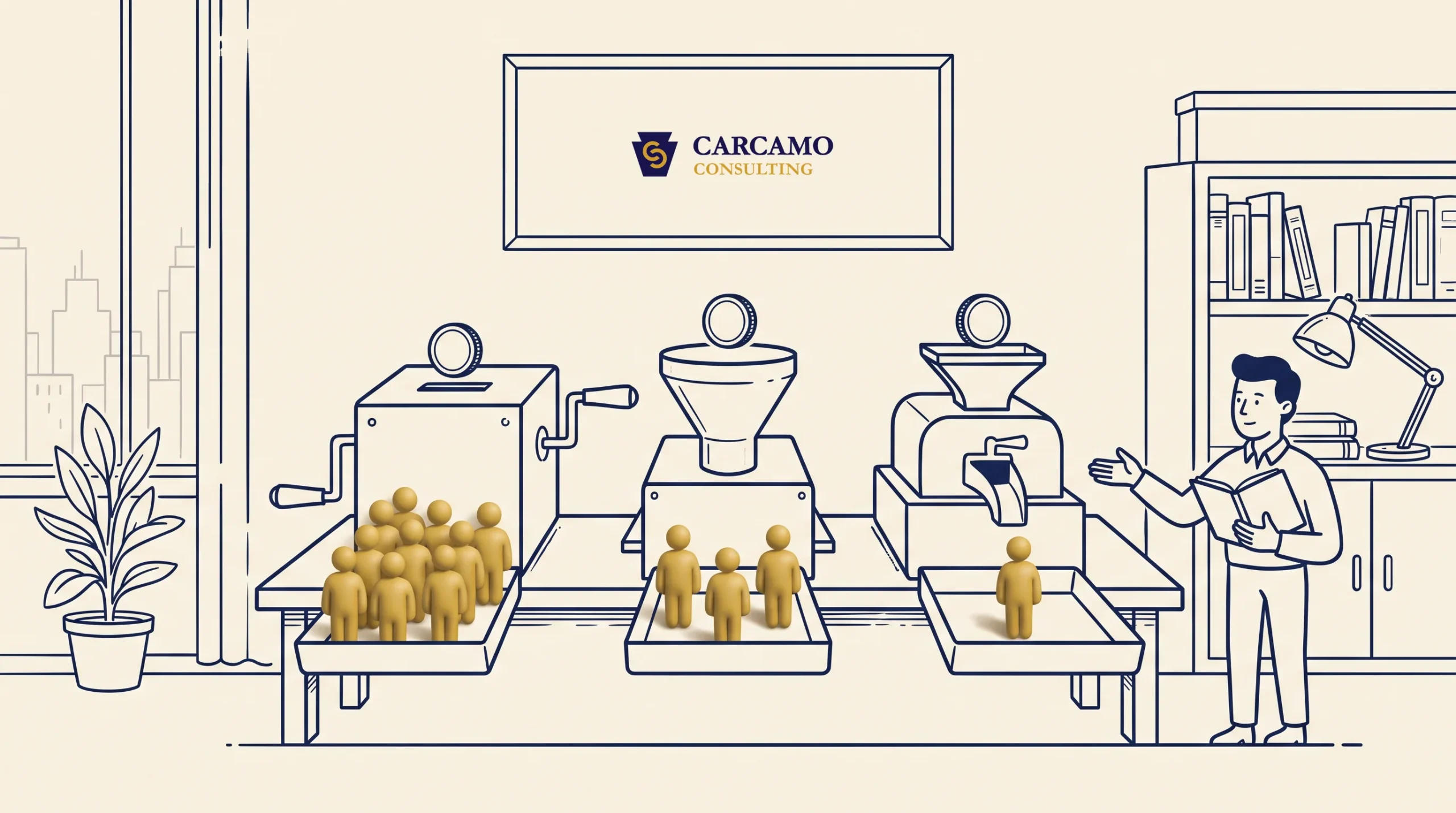
But a blended number can hide a problem. Picture two channels running at once. Your ads cost $1,800 and brought in 6 customers, which is $300 each. Your referral thank-you gifts cost $200 and brought in 14 customers, which is about $14 each. Blend them and your CAC looks like a comfortable $100. That average makes the ads look fine when, on their own, they’re costing you triple what referrals do.
Channel CAC fixes that. You run the same formula, but you split it by where the customer came from:
- Ads: ad spend divided by customers from ads.
- Referrals: referral costs divided by referred customers.
- Social: your time and any boosting divided by customers from social.
Do this and the picture sharpens fast. You see which channel is quietly overpriced and which one you should be pouring more into. This is also the number to check before you scale any paid channel up, which is exactly the question behind how much to spend to get your first paid customers.
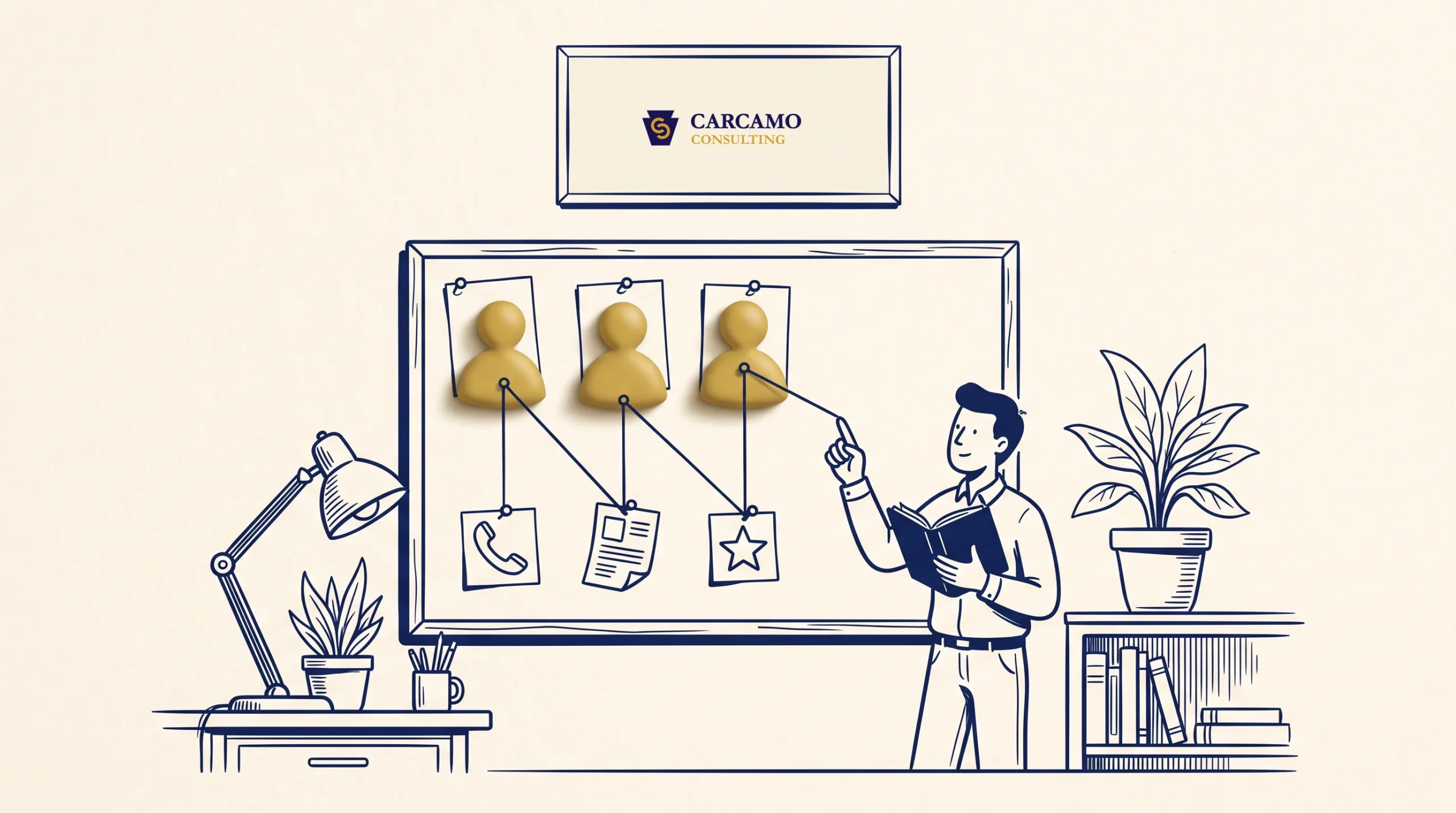
The catch is tracking. To split CAC by channel, you have to know how each customer found you. The fix is boringly simple: ask. Add “How did you hear about us?” to your intake, your booking form, or the first phone call, and write the answer down every time. A month of that habit is worth more than any fancy analytics tool.
What counts as a new customer, and what window to measure
Two small choices quietly bend your CAC, so make them on purpose.
First, decide what a “new customer” is. It should be someone who paid you for the first time, not someone who filled out a form or asked for a quote. Leads aren’t customers.
If you divide your spend by leads instead of paying customers, you’re calculating your cost per lead, which is a different and much cheaper looking number. The gap between the two is your close rate, and it matters. Getting more of those leads to actually buy is its own lever, and it’s covered in how to turn leads into paying customers.
Second, pick a sensible window and watch the lag. Marketing rarely pays off the same day you spend. Someone sees your ad in March, sits on it, and books in April. If you divide March’s spend by March’s customers, you’ll punish a month whose real payoff shows up later. For most local businesses a quarter smooths this out better than a single month, because it gives your slower leads time to close. Whatever window you choose, keep it consistent so your numbers stay comparable month to month.
A steady, slightly imperfect method beats a perfect one you only run once. The goal is a number you trust enough to act on.
What is a good customer acquisition cost for a small business?
There’s no universal “good” CAC, and any number a chart gives you is close to meaningless on its own. Across industries the average sits somewhere around a few hundred dollars per customer, and it swings wildly, from well under $70 for simple online purchases to $600 or more in fields like financial services. Your trade, your prices, and your area all move the target.
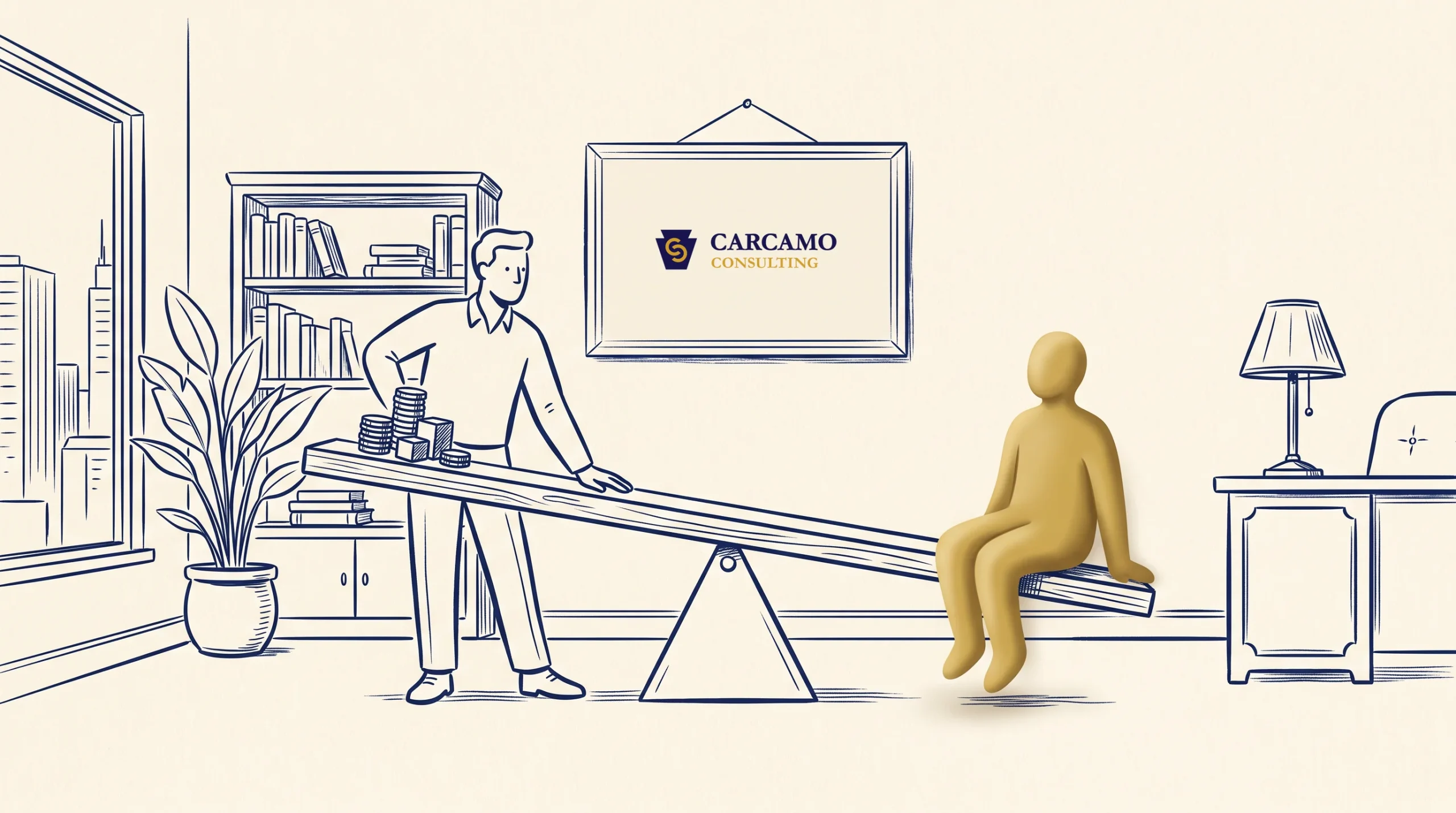
What actually makes a CAC good or bad is how it stacks up against what a customer is worth to you over their lifetime. That lifetime value, or LTV, is the total profit a customer brings before they stop buying. The widely used rule of thumb is a 3 to 1 ratio: a customer should be worth at least three times what it cost to get them.
Run your own numbers against it:
- A cleaner spends $50 to land a client who pays $200 a month for a year. That’s an LTV of roughly $2,400 against a $50 cost, a ratio far better than 3 to 1. Spend more, confidently.
- A restaurant spends $30 to get a diner who visits twice and spends $80 total. That’s under 3 to 1, and it’s a sign the acquisition math is tight unless you can turn those diners into regulars.
CAC only makes sense next to LTV and your payback period, the time it takes to earn back what you spent. Those three numbers together are the real dashboard for getting customers, and we lay out how they fit in the economics of getting customers. A CAC you’d panic over in one business is a steal in another, and only the ratio tells you which one you’re in.
How to lower your customer acquisition cost
Once you’re measuring CAC, lowering it becomes a game you can actually win. The levers, in rough order of impact for a local business:
- Close more of the leads you already get. If you spend the same but turn 4 in 10 quotes into jobs instead of 2 in 10, your CAC halves without a single extra dollar of marketing. Better follow-up is usually the cheapest CAC cut available.
- Lean into referrals and repeat business. A happy customer who sends a friend costs you almost nothing. A modest thank-you gift or a simple “who else do you know” ask beats most paid channels on cost.
- Kill your worst channel once you have channel CAC and can spot the one that’s badly overpriced. Move that money to the channel that’s already winning.
- Sharpen the offer, not just the ad. A clearer promise and a reason to act now lifts your response rate, which lowers the cost of every customer that rate produces.
- Get more from each customer. CAC gets easier to justify when the average customer spends more or stays longer. Raising value is often simpler than cutting cost.
Notice that most of these have nothing to do with spending less on ads. The biggest CAC wins usually come from converting and keeping customers better, not from pinching the marketing budget. Cut spend carelessly and you can starve your pipeline; improve conversion and loyalty and your CAC drops while your revenue climbs.
Frequently asked questions
What’s the difference between CAC and cost per acquisition or cost per lead?
Cost per lead is what you pay for someone to raise their hand, a form fill or a phone call. CAC is what you pay for someone to actually buy. The two differ by your close rate, and CAC is always the higher, more honest number because it counts only real customers.
Does CAC include salaries and my own time?
Yes. Anyone you pay to market or sell belongs in the calculation, and so does your own time if you’re doing that work yourself. Value your hours at what it would cost to replace you. Skipping your own time is the most common way owners fool themselves into thinking a channel is free.
How often should I calculate my CAC?
For most local businesses, quarterly is a good rhythm, with a monthly glance if you’re spending heavily. A quarter gives slower leads time to close so you don’t punish a month for sales that land later. Whatever you pick, keep the window consistent so you can compare periods fairly.
What’s the difference between CAC and LTV?
CAC is what a customer costs you to get. LTV, or lifetime value, is the total profit that customer brings you before they stop buying. CAC only means something next to LTV. A good target is a customer worth at least three times what you paid to acquire them.
Is a low CAC always better?
Not always. A very low CAC can mean you’re underspending and leaving customers on the table for a competitor to grab. The goal isn’t the smallest possible CAC, it’s the CAC that still leaves healthy profit while letting you grow as fast as you can afford to.
Do I need special software to track CAC?
No. A spreadsheet and one habit will do it: record what you spend to get customers, and ask every new customer how they found you. Tools help once you’re bigger, but the math is simple enough to run by hand from day one.
If you’re staring at your marketing spend and not sure whether it’s working, that’s exactly the kind of question we help small business owners untangle. Ask us, and a real person will walk through your numbers with you.
 Previous