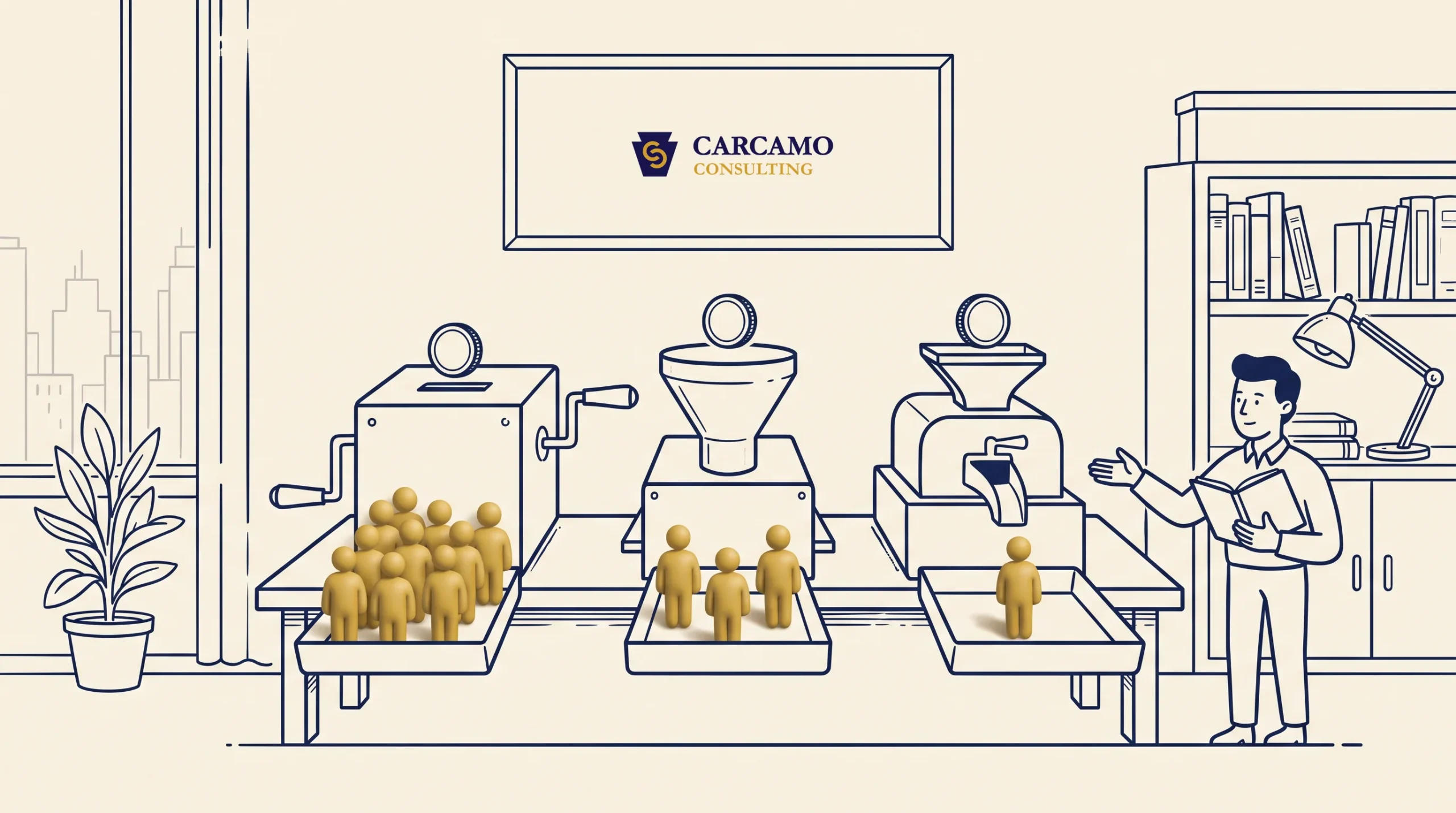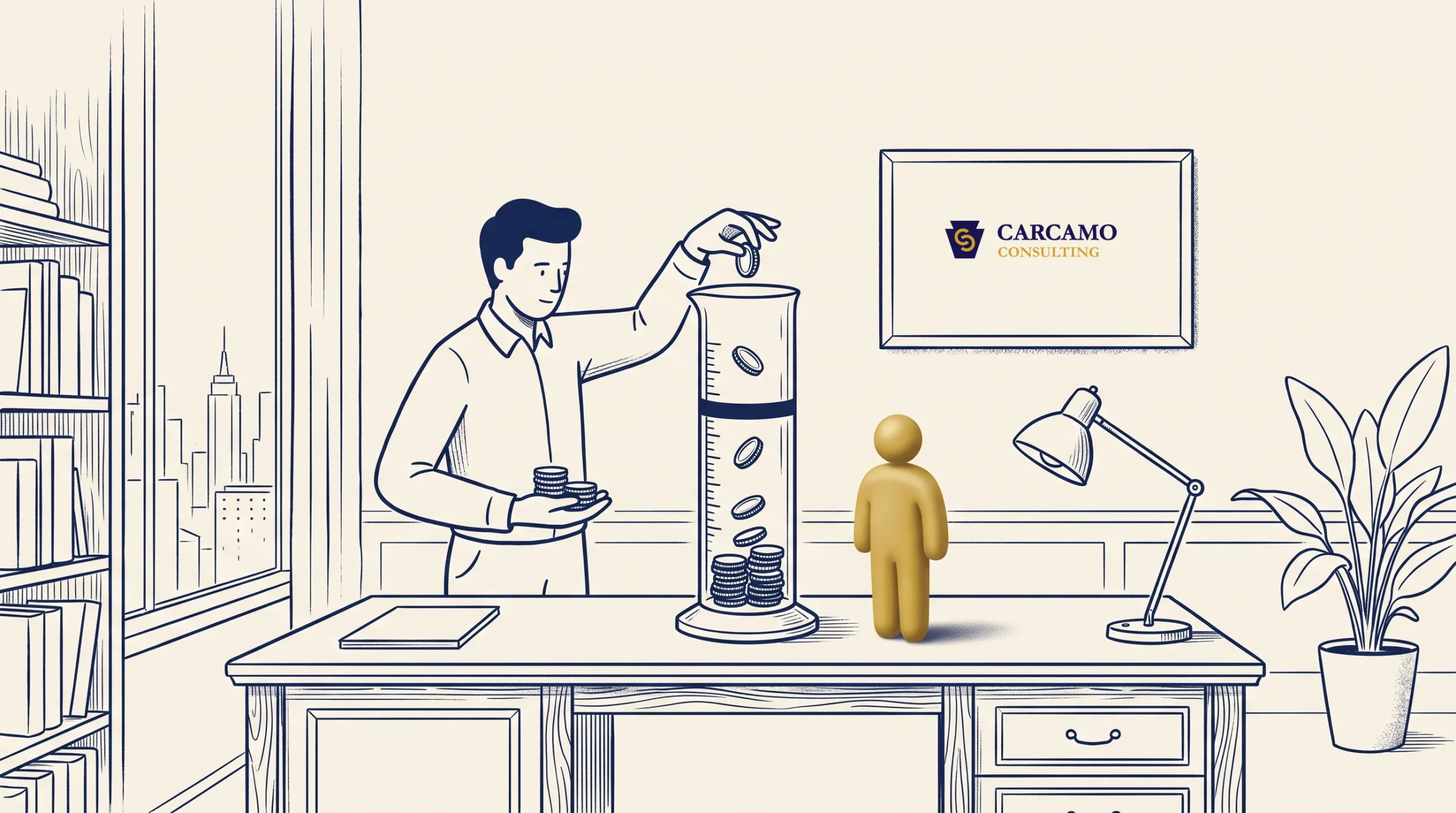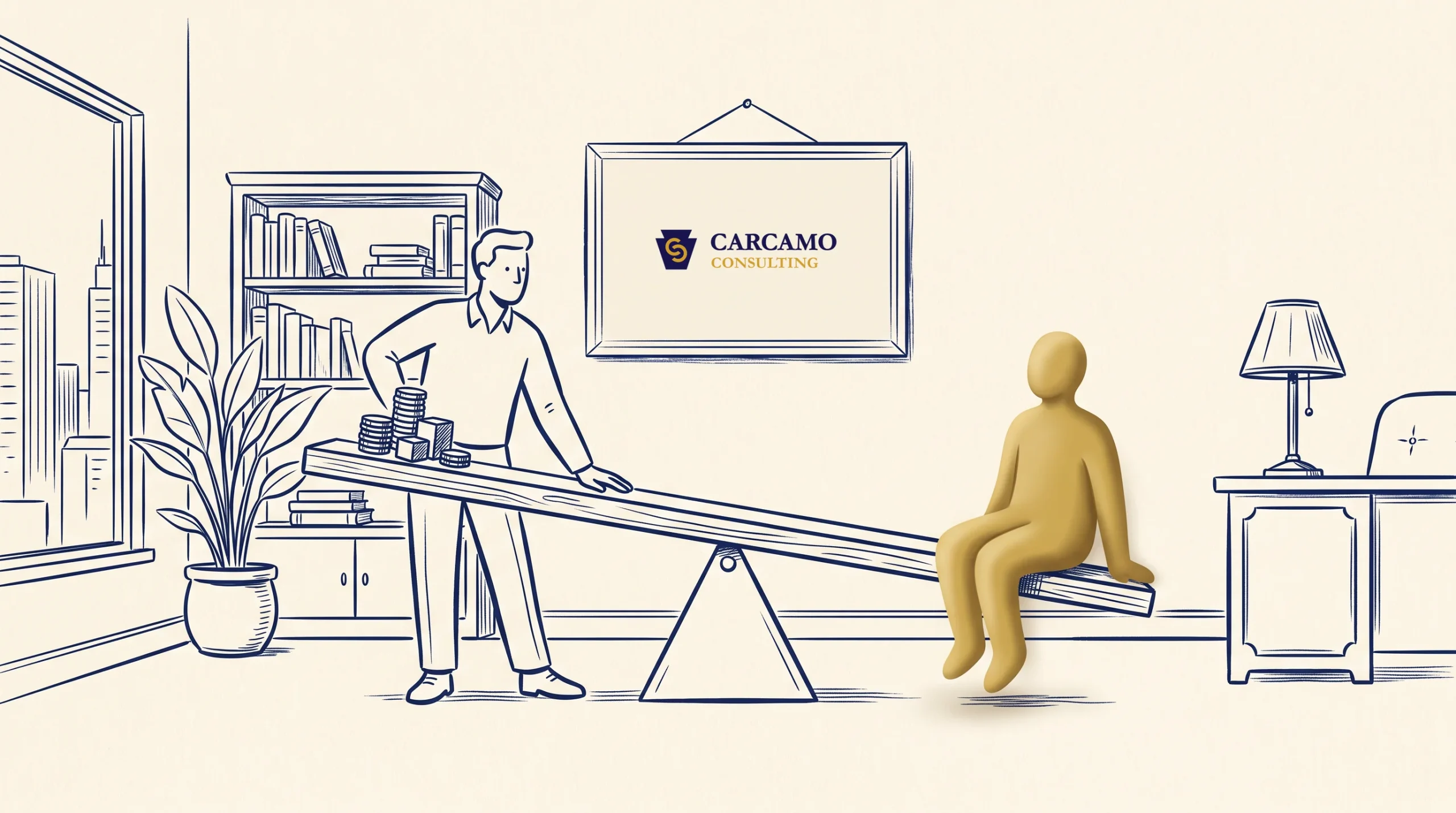

If you sell to other businesses, LinkedIn is the one place where almost everyone you want to reach already spends part of their week. The trick is that they are not there to be sold to. They are there to solve problems, vet vendors, and keep up with their industry. Get B2B customers on LinkedIn by matching that mindset: show up useful, get familiar before you pitch, and reach more than one person at the company you are chasing.
That last part is where most owners lose deals without ever knowing it. A single yes rarely closes a B2B sale anymore. A group does. What follows is a way to warm up that whole group, not just the one contact who happens to reply first.
Why LinkedIn Works to Get B2B Customers (and Where It Falls Short)
LinkedIn earns its reputation for one simple reason: the people scrolling it are in a work frame of mind. When someone opens the app, they are thinking about their business, their targets, and the next hire. A message that would get ignored in a personal inbox gets read here because the context fits.
You also get something no other platform hands you: public buying signals. People announce new roles, companies post the jobs they are hiring for, and leaders talk openly about expansion. Each of those is a quiet flag that someone might need what you sell, and it is sitting there in plain view.
Where LinkedIn falls short is the part nobody warns you about. It rewards patience, not urgency. You will not post twice and land a contract on Friday. The owners who win here treat it as a slow, compounding channel, and the ones who quit at week three never see it pay off.
It is also the wrong first move for some businesses. If your customers are homeowners or walk in consumers, your energy belongs elsewhere. LinkedIn shines when you sell to companies: office managers, general contractors, property managers, HR leads, operations directors, and the like. If you are still weighing where to put your effort, our breakdown of which social media platform actually brings in customers is a good gut check before you commit months to this one.
Get Clear on Who You Are Actually Selling To
Before you touch your profile or send a single request, get specific about who you want. Trying to appeal to every business at once is the fastest way to appeal to none of them. Your message ends up so watered down that no one feels it was meant for them.
Sharpen your ideal customer down to a few plain traits:
- Industry and type of business. A commercial cleaner chasing medical offices sells differently than one chasing warehouses. Pick your lane.
- Company size. A ten person shop and a two hundred person company buy in completely different ways. Know which you serve best.
- The specific problem you fix. Not “cleaning services,” but “keeping a busy dental office spotless without disrupting patients.”
- The person who signs off. In a small company that is often the owner. In a larger one it might be an operations director or an office manager.
That last trait matters more than most owners realize, and it is where the buying committee comes in. Getting this right up front saves you months, so it is worth doing before anything else. If you have never mapped it out, walk through how to define your ideal customer and come back with a clear picture. Everything downstream gets easier once you know exactly who you are talking to.
The Buying Committee: Why One Yes Is Not Enough
This is the piece that separates B2B from everything else, and it is the piece most advice skips.
When a business buys from you, it is rarely one person deciding. Research from Gartner puts the typical group behind a complex purchase at around eleven people, and Forrester’s recent numbers push the average toward thirteen for bigger deals. Even a modest office contract usually runs through three or four sets of eyes: the person who feels the problem, the person who controls the budget, and someone who gets to say no.
Most sellers connect with exactly one of them. They find a champion, make their case, and feel good about it. Then a stakeholder they never spoke to raises a concern in a meeting they were not in, and the deal stalls for weeks or dies quietly.
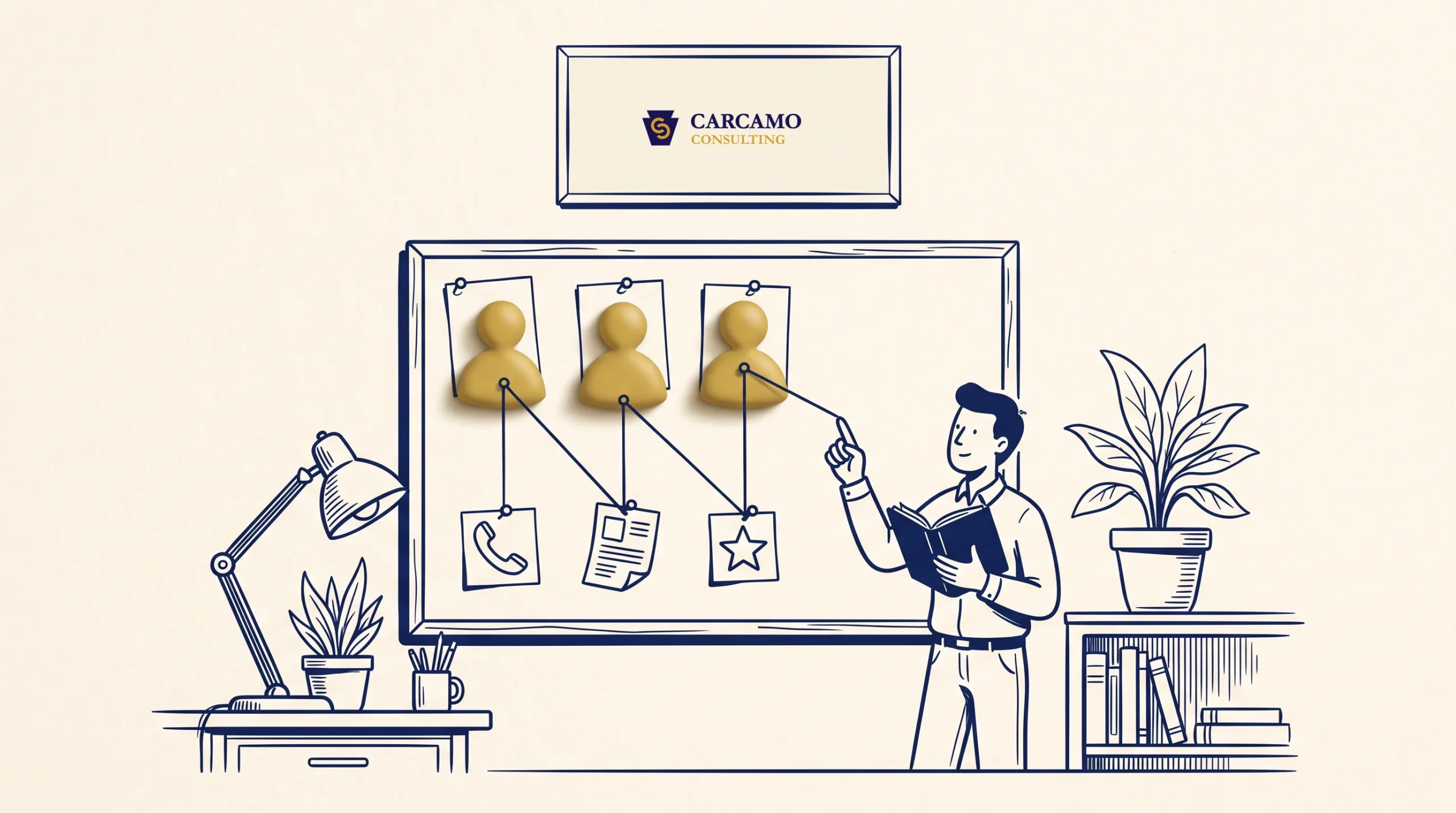
Reaching more than one person at the company is the whole game. In sales this is called multi-threading, and accounts where several people know your name close at a noticeably higher rate than accounts riding on a single contact.
Here is how to do it without being pushy:
- Map the room. For a target company, figure out the three or four roles that would touch your kind of purchase. For a janitorial contract that might be the office manager, the facilities lead, and the owner or CFO.
- Get familiar with each of them. Follow them. React to a post. Leave a genuine comment. You are not pitching, you are becoming a name they recognize.
- Let your content do the warming. When you post useful things (more on that below), everyone you have connected with at that company sees you show up as a credible voice, over and over, before you ever ask for the business.
You are not trying to sell four people at once. You are making sure that when your champion brings your name into the room, three other people already recognize it.
Turn Your Profile Into an Offer, Not a Résumé
When someone gets your message or sees your comment, the first thing they do is click your profile. In that moment it needs to answer one question fast: can this person help me? A profile that reads like a job history answers the wrong question.
Fix the four things that do the heavy lifting:
- Headline. Skip “Owner at ABC Cleaning.” Say who you help and what you deliver: “Keeping Wilkes-Barre offices and medical suites spotless, on a schedule that never disrupts your day.” A stranger should understand your value in one line.
- Photo. A clear, friendly headshot. People buy from people, and a real face makes every message that follows feel human.
- About section. Write it like you are talking to one ideal customer. Open with the problem you solve, back it with a specific result or two, then tell them exactly how to reach you. No wall of adjectives.
- Featured section. Pin proof. A short case study, a before and after, a photo of real work, or a simple booking link. Give a curious buyer a reason to trust you and an easy next step.
Your profile is doing half the selling before you type a word. An hour spent here pays off on every conversation afterward.
Post Content That Pulls the Right People In
Outreach reaches people one at a time. Content reaches everyone you are connected with at once, quietly, on repeat. That is why the two work far better together than either does alone. It is the same logic behind choosing between inbound and outbound approaches: you do not have to pick, and in B2B you should not.
You do not need to post every day or chase a following in the thousands. You need to post the right things, consistently, so that when a decision maker finally checks you out, they already see a pattern of someone who knows their world.
For a local B2B service business, the content that works is almost always about the work itself:
- Proof of work. A short before and after from a real job. A clean install, a spotless space, a finished remodel. Show the result, name the problem it solved.
- The objection you keep hearing. Whatever question every prospect asks, answer it in a post. “Will your crew get in the way of my staff?” is a post. “How do you handle after hours access?” is a post.
- A small lesson from the field. Something only someone who does this work would know. The mistake you see companies make, the shortcut that backfires, the thing that quietly saves them money.
- A quick client win. Not bragging, just a plain story of a problem you fixed and how the client’s day got easier.
Two or three solid posts a week beat daily posting with nothing to say. Aim for content that is either immediately useful or genuinely makes someone think. That is what earns a comment, and comments are what put you in front of your prospect’s network too.
Start Conversations, Not Pitches
This is where most owners torch their results. They send a connection request, it gets accepted, and they immediately fire off a sales pitch. It is the fastest way to get ignored, muted, or reported.
Someone accepting your request agreed to be in your network. They did not agree to sit through a sales call. So earn the conversation instead:
- Warm up before you connect. For a week or two, show up in their comments with something real. Not “great post,” but an actual thought or a follow up question. By the time your request lands, you are already a familiar name.
- Personalize the request. Reference something specific: a post they wrote, a milestone, a shared connection, a detail about their company. A generic request screams mass outreach.
- Open with a question, not an offer. Your first message should invite a reply, not close a deal. Ask about their situation. Mention the signal you noticed. Keep it short and curious.
- Watch for buying signals. A new hire, a job change, a company that just posted an opening in your area, an expansion announcement. These are the warmest moments to reach out, because the need is fresh.
The goal of the first message is never the sale. It is the reply. Once someone is talking to you, you have a relationship, and relationships are what close B2B deals.
A quick note on volume, since it comes up constantly: LinkedIn caps connection requests at roughly one hundred per week across all account types. Sending fewer, sharper requests to people who will actually accept beats blasting the maximum. If your acceptance rate drops too low, LinkedIn throttles you, so quality protects your reach.
Follow Up Without Being a Pest
Most B2B deals do not close on the first message. They close on the fourth, fifth, or sixth touch, long after the seller who gave up after one try has moved on. The follow up is not the annoying part of the process. It is the process.
The rule that keeps follow up from feeling pushy: bring something new each time. Never just “checking in.”
- Share a piece of content that speaks to their situation.
- Send a short, genuinely helpful observation about their business.
- Comment on their latest post to stay visible in their feed.
- Loop back when a new buying signal shows up.
Space your touches out over time rather than piling them on. Frequent at first, then slower. You are staying present, not standing on their doorstep.
Silence is not a no. It usually means busy, distracted, or not ready yet, and the person who keeps showing up with value is the one there when the timing finally lines up.
Your First 30 Days on LinkedIn
If all of that feels like a lot, here is where to actually start. Do these in order and you will have real momentum inside a month.
- Week one: fix your profile. Rewrite the headline and About section, add a proper photo, and pin one piece of proof. One focused hour.
- Week one: define your target. Write down the industry, company size, problem, and the three or four roles on the buying committee you need to reach.
- Weeks two through four: engage daily. Fifteen minutes. Comment on posts from your target list. Get your name in front of the right people before you ask for anything.
- Weeks two through four: post twice a week. Proof of work, an objection you hear, a lesson from the field. Consistency over polish.
- Weeks three and four: start reaching out. Personalized requests, opening with a question, aimed at more than one person per company.
Then keep going. LinkedIn rewards the owner who is still there in month four, not the one who expected a contract in week two.
When to Bring in Help
There is no shame in this part. Running a business already takes everything you have, and LinkedIn is a slow, steady effort that competes with the actual work you are paid to do. Plenty of capable owners do everything right and still stall out, simply because there are not enough hours.
If you have tweaked the profile, posted for a while, and still are not landing conversations, a second set of eyes usually finds the gap fast. It is often something small: a headline that hides your value, a target that is too broad, or outreach that pitches too soon.
Carcamo Consulting runs real local businesses, so we know the pull between doing the work and marketing the work. If you are weighing your options, getting customers through social media is exactly the kind of problem we help owners untangle. You can send us your question for free and a real person will get back to you with a straight answer.
Frequently Asked Questions
Do I need LinkedIn Premium or Sales Navigator to find B2B clients?
No. The core moves (optimizing your profile, posting useful content, commenting to warm up prospects, and sending personalized requests) all work on a free account. Sales Navigator adds sharper filters and buying signal alerts that save time once you are doing this seriously, but it is an upgrade, not a requirement. Start free and prove the approach works before you pay.
How many connection requests can I send per day without getting restricted?
LinkedIn caps invitations at about one hundred per week across free, Premium, and Sales Navigator accounts, so roughly fifteen to twenty a day is a safe pace. Just as important as the number is who you send to. If too many people ignore your requests, LinkedIn assumes you are spamming and tightens your limits, so a focused list of the right people always beats a big list of the wrong ones.
How long does it take to get customers from LinkedIn?
Plan on three to six months of consistent effort before it becomes a steady source of inquiries. The first weeks go to setting up your profile and starting to post. Real conversations tend to pick up around the second or third month as familiarity builds. B2B has longer sales cycles by nature, and reaching a full buying committee takes time, so the owners who stick with it are the ones who win.
Should I use my personal profile or my company page?
Lead with your personal profile. People connect with people, not logos, and nearly all real conversations start from a personal profile. Keep your company page updated so it backs up your credibility when someone checks it, but do not expect it to drive direct outreach. Your face and your voice are what open doors.
Can I message people I am not connected with?
Yes, through InMail on a paid plan, or through an open profile. The bigger question is whether you should lead with a pitch. You should not.
Whether the person is a connection or not, a generic sales message gets ignored. Reference something specific, offer something useful, and open with a question. A relevant message to a stranger beats a canned pitch to a connection.
How often should I post to attract clients?
Two to three times a week is plenty for a busy owner. Consistency matters far more than volume: showing up reliably with useful posts builds recognition better than a burst of daily content that fizzles out. Focus each post on a real problem your customers have, and engage with other people’s posts between your own so you stay visible.
Are LinkedIn groups still worth it for finding clients?
They can be, if you use them right. Active, niche groups where your buyers actually gather are a quiet way to become a familiar name. Show up with genuinely useful answers, not promotions. Done well, a group is a soft warm up that makes your later connection requests land far better than a cold approach would.
Does cold outreach on LinkedIn actually work?
It does, when it is personalized. Generic mass messages get ignored, but well researched, relevant outreach on LinkedIn tends to earn replies at a meaningfully higher rate than cold email, because the context fits and people expect professional conversations there. The businesses that get results treat it as a warm, human channel, not a numbers game.
 Previous