Cold calling to get customers still works in 2026, but it is not the numbers game it used to be. The average cold call books a meeting about 2 to 3 percent of the time, while the people who are good at it hit 6 to 13 percent. The difference is not luck. It is research, a real reason for calling, and following up more than once.
If you have ever picked up the phone, gotten a quick “no thanks,” and decided calling is dead, that was not proof. Most callers quit after one or two tries. Here is when the phone is still your best tool, when email beats it, and how to make calls that actually land.
Does cold calling still work?
Yes, especially for higher value services sold to other businesses. The phone does something no other channel does: it starts a real conversation in real time. A good call can build in five minutes the kind of trust that email takes weeks to earn.
The demand is there. Surveys show 82 percent of buyers are open to taking a meeting that started with a cold call, and most senior decision makers still prefer the phone for a first real conversation. People do not hate being called. They hate being pitched by someone who clearly did no homework.
Where cold calling struggles is low ticket, high volume work. If you need hundreds of small customers, the phone is too slow. If you sell a handful of valuable jobs a month, it can be the fastest path there is.
Why the phone still gets through
Email is easy to ignore. A ringing phone is not. That is the whole advantage, and it cuts both ways.
- It is a two way conversation. You hear the hesitation, answer the real objection, and adjust on the spot. No email thread does that.
- It builds rapport fast. Tone, warmth, and a real voice earn trust that text cannot.
- It gets you an answer today. Yes, no, or “call me next quarter” all beat silence.
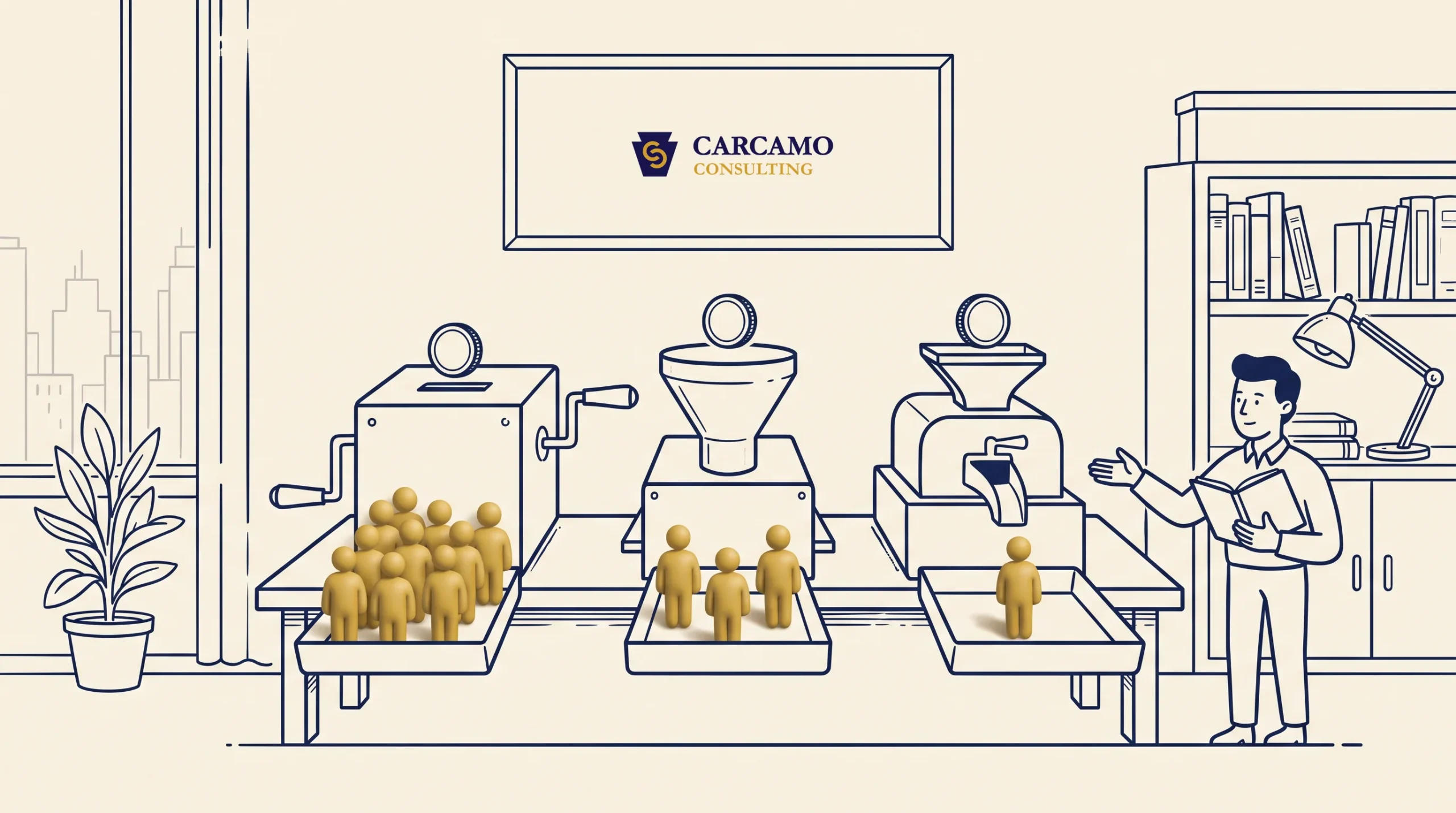
The cost is that it does not scale. One person can send a few hundred emails in a day but only make 80 to 100 calls, of which maybe 15 to 25 get answered. So the phone is a scalpel, not a fire hose. You point it at the prospects worth a real conversation.
Cold calling vs cold email: which should you use?
You do not actually have to choose, and the best answer is usually both. But they have different strengths, and knowing which is which tells you where to spend your time.
| What matters | Cold calling | Cold email |
|---|---|---|
| Speed of rapport | Fast, real time, human | Slow, builds over messages |
| Reach per day | 80 to 100 dials, few answered | 200 to 500 sent |
| Best for | High value services, local trust | Volume, wider nets |
| Answer you get | Immediate yes or no | Delayed, if any |
| Effort per contact | High | Low |
The real unlock is combining them. Pairing a call with an email lifts positive replies by about 2.5 times over email alone, and a coordinated multichannel approach can double or triple your results.
A simple rule works for most small businesses. If you sell a service worth thousands of dollars to a shortlist of local businesses, lead with the phone. If you are reaching a wide list at lower value, lead with cold email and use calls for the warmest few. Either way, the two together beat either one alone, which is the point of a broader email and direct outreach plan.
How to use cold calling to get customers
The gap between a 2 percent caller and a 12 percent caller comes down to a few habits.
Do the homework first
76 percent of the best callers research a prospect before dialing. Most average callers do not. Two minutes on their website or their social page gives you a real reason to call, and that reason is the difference between a conversation and a hang up.
Nail the first fifteen seconds
Your opener decides everything. Say who you are, why you are calling this specific person, and what is in it for them, fast. Skip the generic pitch. Reference the specific thing you found in your research so they know this call was meant for them, not for a list.
Call when people actually pick up
Timing moves your connect rate more than you would think.
- The best days are Tuesday, Wednesday, and Thursday.
- Good windows are roughly 10 to 11 in the morning and 2 to 4 in the afternoon.
- Small business owners are often easiest to reach around 9 to 10 am and 3 to 4 pm, when they are not slammed with midday operations.
- Avoid the lunch hour, when a skeleton crew is covering.
Follow up more than once
This is where almost everyone leaves money behind. Reaching a busy prospect often takes 8 to 12 attempts, yet more than half of callers stop after 3 to 5, and a quarter give up after just 1 or 2. Since most conversions happen after the sixth touch, quitting early means never seeing the results the channel can produce. Space your attempts and mix in an email or a message so it feels like persistence, not pestering.
A simple opening you can use
You do not need a slick script. You need a natural, honest reason for the call. The bones look like this:
“Hi [Name], this is [You] from [Your business] here in [Town]. I will be quick. I saw [specific thing you found], and it looked like you might be running into [problem you solve]. Is that something you are dealing with right now?”
That opener names them, gives a real reason, respects their time, and ends with a question that invites a real answer. From there, you listen more than you talk.
When cold calling is not worth it
Cold calling is the wrong tool when the math does not work. If your average customer is worth a small amount and you need a high volume of them, the hours on the phone will not pay off, and email or a steady presence where your customers already are will do more.
It is also a poor fit if your buyers are consumers who screen unknown numbers, or if you dread the phone so much that you will never do it consistently. A channel you avoid produces nothing. In that case, warming people up first through LinkedIn so your name is familiar before you ever call can make the whole thing easier.
Use the phone when each customer is worth a real conversation and you can name the specific businesses you want to win. That is where it still beats everything else.
Is cold calling legal?
For business to business calls in the United States, yes. B2B cold calling is legal and is largely exempt from the consumer Do Not Call rules that cover residential telemarketing. A few basics keep you clean:
- Calls to residential phone lines cannot be made before 8 am or after 9 pm.
- Honor any request to stop calling, and keep your own do not call list.
- Identify yourself and your business honestly at the start of the call.
Rules can vary by state and by whether a number is residential or business, so if you are calling consumers or you are unsure, check the current requirements for your situation before you dial.
So should you pick up the phone?
If you weigh your options, decide by your numbers. Sell a high value service to a shortlist of local businesses, and cold calling is one of the fastest ways to a real conversation, as long as you research first, open with a genuine reason, and follow up more than once or twice. Sell at lower value to a wide audience, and lead with email and save the phone for the warmest prospects.
Most small businesses do best pairing the two: a short, personal email and a well timed call to the people worth winning. If you want help figuring out which channel fits your business and your budget, a free question to our team is a good place to start.
Frequently asked questions
Does cold calling still work in 2026?
Yes, particularly for higher value services sold to other businesses. Average calls book a meeting around 2 to 3 percent of the time and skilled callers reach 6 to 13 percent. Most buyers are still open to a call that has a real, researched reason behind it.
Is cold calling worth it for a small business?
It depends on your price point. For a high value service sold to a shortlist of local businesses, the phone is one of the fastest paths to a real conversation. For low value, high volume work, email scales better and the phone is not worth the hours.
Cold calling vs cold email, which is better?
Neither wins outright. Calls build trust fast but do not scale; email scales but builds slowly. Pairing them lifts positive replies about 2.5 times over email alone, so most small businesses should use both and lead with whichever fits their price point.
What is a good cold call success rate?
The average rate of booking a meeting is around 2 to 3 percent. Anything above that is good, and top callers reach 6 to 13 percent by researching first, opening with a clear reason, and following up consistently.
What is the best time to cold call?
Tuesday through Thursday tend to work best, with good windows around 10 to 11 am and 2 to 4 pm. Small business owners are often easiest to reach around 9 to 10 am and 3 to 4 pm. Avoid the lunch hour.
How many times should I try before giving up?
Reaching a busy prospect often takes 8 to 12 attempts, yet most callers quit after 1 to 5. Since the majority of conversions happen after the sixth touch, plan several spaced attempts and mix in an email or message between calls.
Is cold calling legal?
Business to business cold calling is legal in the United States and largely exempt from consumer Do Not Call rules. Calls to residential lines are restricted before 8 am and after 9 pm, you must honor stop requests, and some states add their own rules, so check your situation if you are calling consumers.
 Previous