
A first outreach message gets a reply when it is visibly about the reader: one observation you could only have made about them, the problem that observation hints at, and one small question that costs nothing to answer, all in under 125 words. No company bio, no pitch, no calendar link.
That structure works in an email, a LinkedIn DM, or a text, because it is not a template trick. It is the difference between starting a conversation and delivering a flyer.
One line in the message does almost all of the work, and most people spend it on themselves. We will get to which line that is.
Why Most First Messages Get Ignored
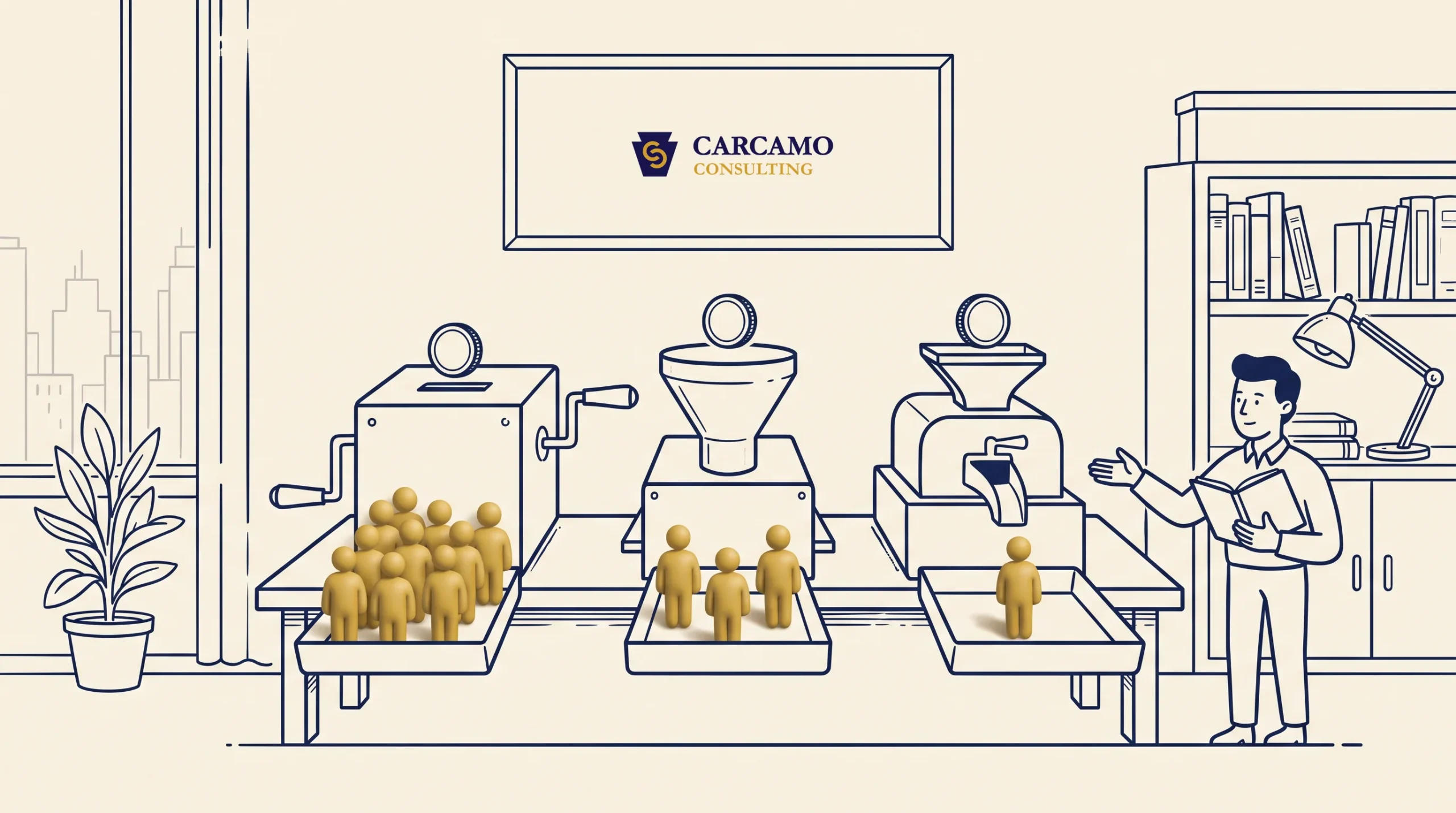
Inboxes have never been fuller of outreach that all sounds the same. Average cold reply rates have slid from roughly 8.5 percent in 2019 to somewhere between 3 and 5 percent heading into 2026, largely because AI drafted messages flooded every channel with the same polished, template shaped note. Generic blasts now earn replies in the low single digits at best, while messages built on real, specific relevance still land many times that.
The pattern behind almost every ignored message is the same: it is about the sender. What the company does, who it serves, how many years in business, whether the reader has fifteen minutes this week. The reader has felt nothing yet, so there is nothing to reply to.
The reader asks one question when your message arrives: why me, and why now? Answer it in the first line and the rest gets read. Fail it and nothing after matters.
The Anatomy of a First Outreach Message
Every first outreach message that earns a reply has the same four parts, in the same order:
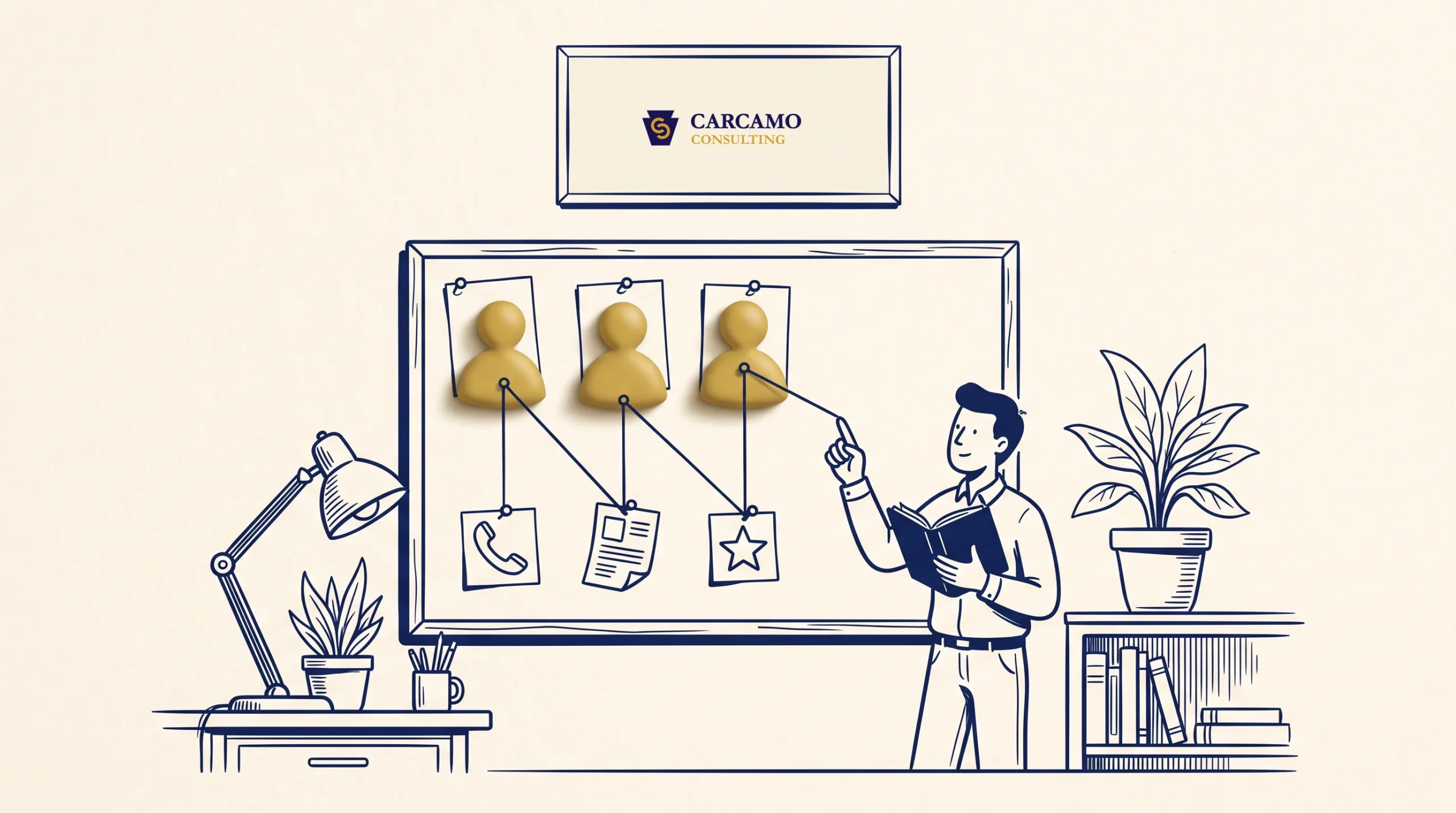
- A provable trigger: one specific, public fact about them that shows the message could not have gone to anyone else
- The problem it implies: named plainly, before any mention of what you sell
- One small question: answerable in a single line, with no meeting attached
- Nothing about you: no bio, no client list, no pitch; your signature does the introducing
A useful discipline runs underneath all four: speak about them roughly 90 percent of the time and about yourself only enough for context. When in doubt, cut the sentence that starts with “we.”
Part 1: Open With Something You Could Not Send to Anyone Else
This is the line that does the work, and it belongs to them, not you.
A trigger is a public, checkable fact that gives you a reason to write this week: they posted a job opening, opened a second location, added a patio, picked up a wave of new reviews, filed a renovation permit, took over a building, launched a new menu. For local outreach the triggers are everywhere, on storefronts, in local news, in the county permit list, on their own social pages.
The test is unforgiving: a first line that works for anyone works on no one. “I came across your business online” fails it. “Saw you are hiring two more cleaning techs” passes it. First name merge tags do not count as personalization anymore; if anything, they read as the mark of a mass send.
If you cannot name why this exact person, this exact week, do not send the message. Find the trigger first or pick a different prospect.
Part 2: Name the Problem, Not Your Product
The trigger earns you one more sentence. Spend it on the problem the trigger implies, in the reader’s terms.
Two new hires usually mean more work than hands. A second location usually means the owner cannot be in both places. A burst of one star reviews about wait times means something upstream of the reviews. Say that, plainly, and the reader feels understood before they have any idea what you sell.
What you sell stays out of the first message almost entirely. The moment the message turns into a pitch, the reader reclassifies it from “person who noticed something” to “ad,” and ads get archived.
Part 3: Ask One Small Question
A reply is a commitment, so price it accordingly. “Do you have fifteen minutes for a quick call” asks a stranger to schedule a meeting with you; most curious readers still say nothing, because the yes costs too much.
Ask something they can answer in one line instead:
- “Is that the tradeoff you are weighing this quarter?”
- “Is keeping both locations staffed the harder half right now?”
- “Are you handling the books yourself through this stretch?”
Put the question at the very end. Messages with the ask in the last sentence earn meaningfully more replies than messages that bury it in the middle, because the last line is what lingers. One question only; two questions split the reader’s attention and usually get neither answered.
Keep It Under 125 Words
The best performing first messages run between 50 and 125 words. That is not a style preference; longer messages read as effort the recipient must repay, and they get saved for later, which means never.
For email, keep the subject line to about five plain words tied to their world, not yours: “Two new cleaning hires?” beats “Partnership opportunity for your business.” Skip attachments, links, and images in message one; they trip spam filters and add commitment. The channel mechanics differ a little between platforms, and we covered them separately for cold email and LinkedIn direct messages, but the message itself barely changes.
Three Examples, Rewritten
Three sellers, each shown twice: the version that usually gets written, then the rebuild on the anatomy.
A cleaning company writing to a property manager. The usual version opens with the company’s fifteen years of experience and asks for a walkthrough. The rebuilt version:
Saw the two maintenance tech openings for the Oak Street buildings. That usually means the day porter work is landing on people hired to fix things, and the lobbies show it first. Is that where the strain is right now?
A remodeler writing to a realtor. The usual version lists services and offers a discount on referred jobs. The rebuilt version:
Noticed three of your current listings mention “great bones.” When a buyer loves the bones but not the kitchen, the deal often stalls on renovation guesswork. Would a same week ballpark quote on those kitchens help your buyers commit?
A consultant writing to a brand new business. The usual version congratulates them on opening and pitches a marketing package. The rebuilt version:
Congrats on the ribbon cutting on Main Street last week. The first ninety days usually decide whether the phone rings on its own or every customer has to be chased. Do you already have a plan for where the first regulars come from?
Same sellers, same services. The difference is that the rebuilt versions notice something true, name a problem the reader already feels, and ask for one line back.
What Happens After You Hit Send
- Send in small, chosen batches. Twenty to fifty well picked prospects beat five hundred strangers, and a specific message cannot be written five hundred times anyway.
- Follow up, politely, twice. Close to half of all replies arrive after the first message. Wait three or four days, add one new small piece of relevance, and ask again. Three total touches is the unit of effort; most people quit after one, right where the replies start.
- Judge a batch after 72 hours, then adjust one thing. Rewrite the opener, or change who you target, but never both at once, or you will not know what worked.
- Expect single digits and plan for them. A 3 to 5 percent reply rate on a well chosen list is normal. Out of fifty messages, that is two or three real conversations, which for a local service business is often a full schedule in the making.
And when the reply lands, the job changes from writing to listening. The move from first response to paying customer is its own craft, and we walked through it in how to turn a conversation into a customer.
For the small business owners we work with across Pennsylvania, this is usually the moment outreach stops feeling like spam and starts feeling like what it is at its best: noticing, out loud, that you can help a specific person with a specific thing.
If you want a second set of eyes on your draft before it goes out, send it to us. It is free to ask, and a real human reads every message.
FAQ
How long should a first outreach message be?
Between 50 and 125 words. That is long enough for one observation, one implied problem, and one question, and short enough to be read whole on a phone. If your draft runs past 125 words, the extra words are almost always about you, and they are the ones to cut.
What should the subject line of a cold email say?
About five plain words tied to the reader’s world: a reference to their hiring, their new location, their listings. Avoid your company name, the word “partnership,” and anything that sounds like a campaign. The subject’s only job is to get the first line read without overpromising.
How many follow ups should I send before giving up?
Two after the original message, spaced three or four days apart, each adding one small new piece of relevance. Close to half of all replies come after the first message, so a single send judges nothing. After three total touches with no response, move on gracefully; a fourth rarely changes the outcome.
What is a good reply rate for cold outreach?
Between 3 and 5 percent is a normal average on a well chosen list, and strong personalization to a tight list can run well above that. Judge the conversations, not just the rate: two real replies from fifty messages that become one customer is a working channel for a local business.
Should I use AI to write my outreach messages?
Use it for research and drafting help, not for the finished voice. Inbox filters and readers alike have learned the polished template sound, and generic AI written messages now earn some of the lowest reply rates measured. The parts that get replies, the specific trigger and the honest question, have to come from you actually looking at the prospect.
How soon should I follow up if there is no reply?
Three or four days after the first message. Sooner reads as pressure, and much later loses the thread. Keep the follow up shorter than the original, add one new observation rather than repeating the ask, and stop after the second follow up.
 Previous